
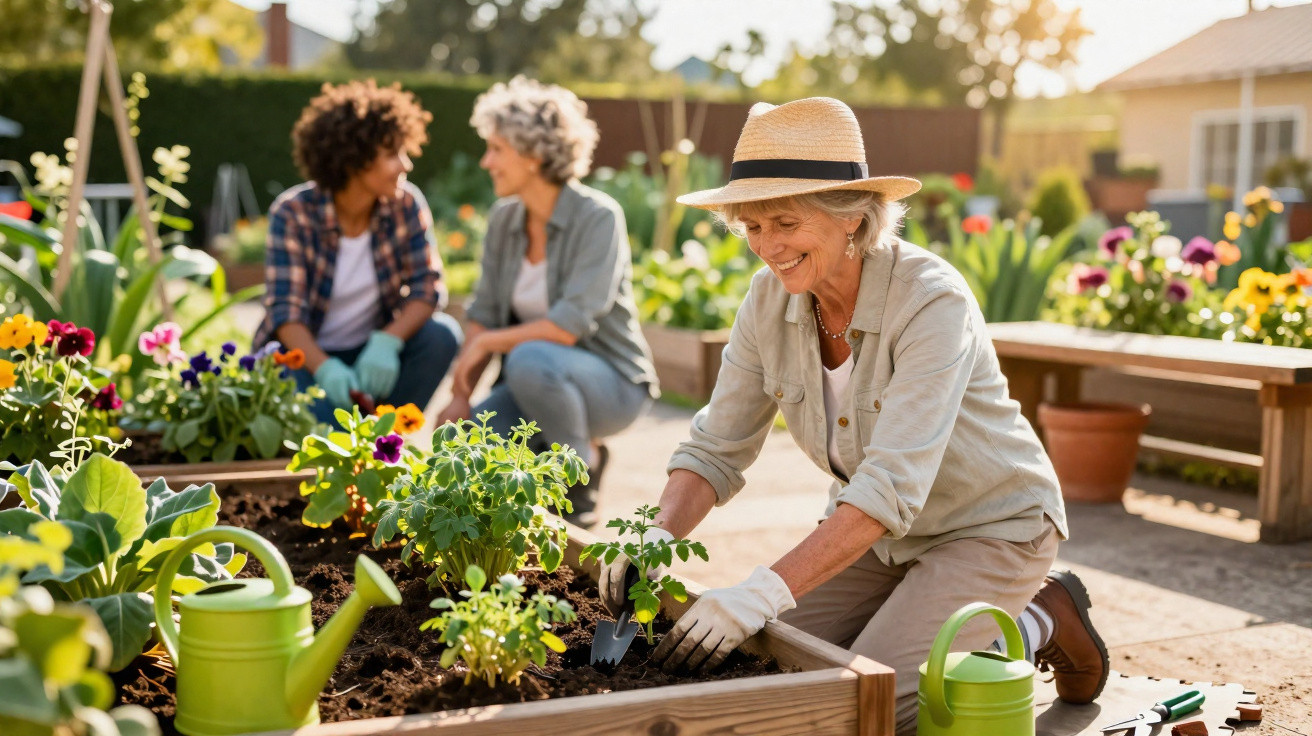
The sun is showing its face more often again, the beds are calling - and many people notice the same thing: after an hour in the garden you feel pleasantly tired, yet strangely lighter on the inside. That sensation isn’t a coincidence. Gardening brings together movement, fresh air and purposeful jobs, making it feel like a free health programme right outside your back door.
Why gardening feels so good
When you’re out with a spade, secateurs and watering can, you’re doing far more than “a bit of pottering”. Specialists view gardening as a gentle, full-body workout that can also lower stress levels and boost self-esteem.
"Garden work combines endurance, strength, coordination and relaxation - at a pace that can be adjusted to suit your own body."
The biggest bonus is that it doesn’t feel like an obligation to exercise. You plant, prune and water - and your whole system gets to work in the background.
Fresh air instead of stuffy gyms
Simply being outdoors can lift your mood. Daylight supports vitamin D production, which is important for strong bones and a resilient immune system. At the same time, a natural setting sends a message to the nervous system that it’s safe to slow down.
Many amateur gardeners say they genuinely switch off in the garden. Traffic noise fades away; what matters is wind, soil and birdsong. The mind feels clearer, and repetitive overthinking often eases after just a few simple tasks.
Training for your heart, circulation and muscles
What looks relaxed from the outside can set plenty in motion on the inside. Even moderate bending, carrying and raking can raise your pulse noticeably.
- Heart and circulation: Regular gardening can have a positive effect on blood pressure and blood sugar.
- Muscles: Arms, legs, abdomen and back are engaged almost constantly - often without you realising.
- Mobility: Lots of small movements help keep joints supple.
- Balance: Walking on uneven ground builds stability and can help prevent falls.
This is particularly valuable for older people. Many don’t move enough, and step counters or fitness apps quickly lose their appeal. A bed that needs looking after is more persistent than any smartphone notification.
The garden as a “gym” for older people
Some doctors and therapists explicitly recommend building garden work into daily routines. They see it as “at-home exercise” that can be tailored to the individual. Pruning shrubs or gathering leaves, for example, trains the legs and core without having to remember complicated routines.
What matters is not overdoing it. Especially after a long break, enthusiasm can be high - but the body often needs time to get used to the workload again.
"Short sessions with breaks challenge the body - without overloading it."
Precision work with secateurs and spade
A surprising number of garden tasks demand fine motor skills. When pruning shrubs, tying in new growth or pricking out seedlings, you need steady hands and concentration. That engages the brain and muscles at the same time.
Take pruning roses or hydrangeas: you squat down, stand back up, turn, and shift your weight. This strengthens thighs and glutes and, with good technique, can take pressure off the back.
How to put less strain on your back and joints
| Task | Back-friendly option |
|---|---|
| Weeding | Use a kneeling pad or small stool; keep your back as straight as possible |
| Moving heavy pots | Use a dolly or plant caddies; don’t lift on your own |
| Cutting close to the ground | Squat rather than bending at the waist; consider long-handled secateurs |
| Watering | Carry several lighter watering cans rather than one that’s far too full |
If you’re unsure - or you already have issues with joints, back or heart health - it’s wiser to speak with your GP or a physiotherapist before the season begins. The aim is to gain the benefits without triggering pain.
Gardening for the mind
Garden work often feels like a break from a hectic day. Your attention settles on tangible things: a bud opening, a bed slowly filling out, a home-grown lettuce finally ready to harvest.
"When you work in the garden, you quickly experience small successes - and that strengthens inner balance."
Many people miss that kind of visible result in office life. A freshly mown lawn, a neatly trimmed shrub or a veg patch that suddenly has structure provides immediate feedback: “I’ve achieved something.” That can soften depressive phases and reduce anxiety.
Gardening together - with social benefits as well
When two people or a family work in the garden, there’s an extra advantage: connection. You plant together, discuss and plan, laugh at crooked rows and share the harvest. That kind of exchange protects against loneliness, particularly in later life.
In many towns and cities, community gardens are thriving. People without their own plot share beds, tools and knowledge. The mix is wonderfully varied: young families, retirees, students. Getting involved in a project like this usually means more movement - and meeting new people along the way.
How beginners can start in a healthy way
Not everyone knows how to set up a bed sensibly or when a plant needs the right kind of cut. This is where experts at garden centres or nurseries can help. They can advise which plants suit your conditions, how closely to plant, and which tools are worthwhile.
- Start small: a raised bed, a few pots or one corner of the garden is enough.
- Plan realistically: it’s better to care well for a smaller area than to spread yourself too thin.
- Split tasks up: schedule different jobs on different days.
- Build in breaks: after 20 to 30 minutes, stretch briefly, drink some water and check how you’re feeling.
That way, motivation tends to last - and overuse injuries are less likely.
Knowing the risks - and avoiding them
Of course, gardening isn’t a free pass. If you’re untrained and carry heavy bags for hours or work hunched over, you risk strains, back pain or irritated joints. Sun protection matters too: a hat, sunscreen and enough fluids belong out by the beds.
If you have allergies, keep an eye on pollen levels and, if in doubt, work early in the morning or after a rain shower. Gloves help protect against stings, thorns and small cuts that could otherwise become inflamed.
Related activities with a similar effect
Not everyone has a large garden. Even with only a balcony, terrace or windowsill, you can still benefit. Window boxes, herb pots or a small tomato shelter also provide movement, light and meaningful tasks.
If you have no space of your own, there are good alternatives:
- Helping out in a community garden
- Supporting older neighbours with their gardens
- Volunteering in school or nursery projects with vegetable beds
All of these combine physical activity with social contact and a clear result - much like working in your own garden.
Why the effect grows stronger over time
The longer people garden regularly, the more noticeable the benefits become. Muscles strengthen, movements feel easier, and stamina improves. At the same time, routines and rituals develop: a set time for watering, a specific day for pruning, a coffee on the garden bench after the job is done.
For many, this blend of movement, structure and contact with nature feels like a quiet counterbalance to constant stress. Once you’ve experienced it, it’s easy to understand why so many hobby gardeners describe their garden as “better than any gym”.



Comments
No comments yet. Be the first to comment!
Leave a Comment