
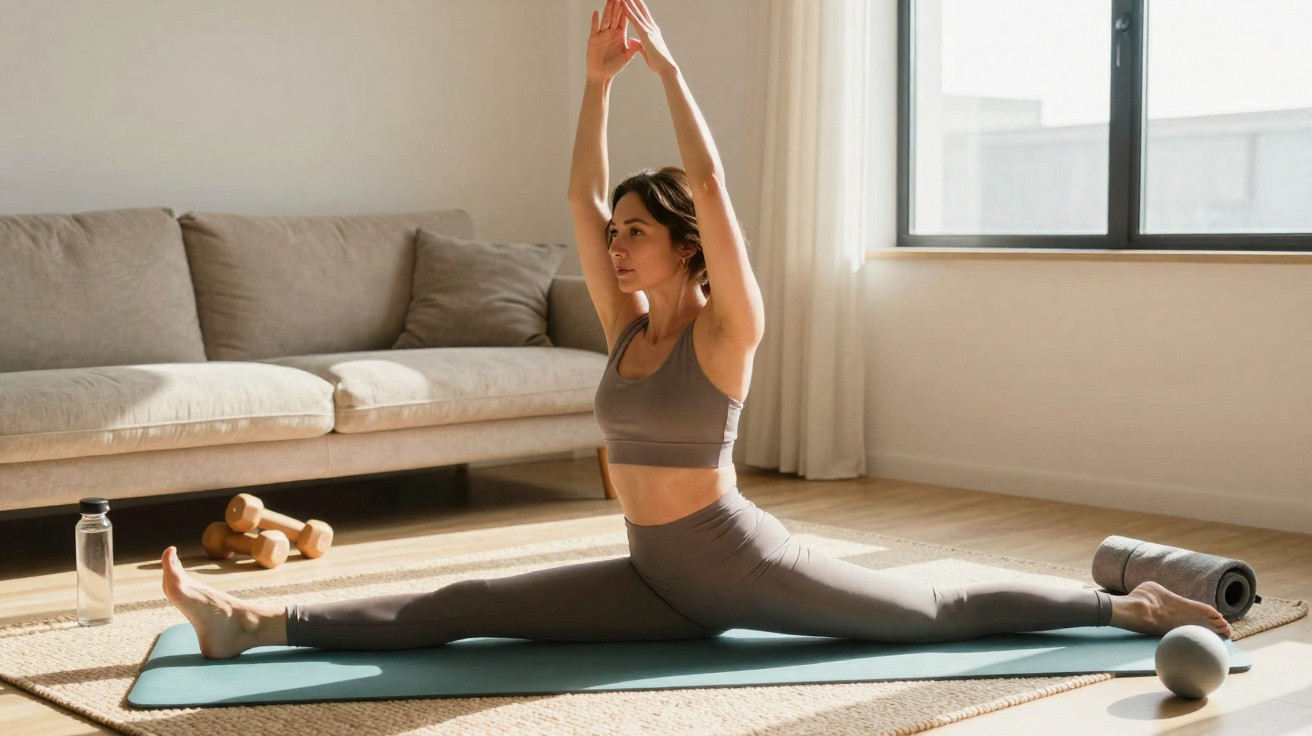
If you’ve ever fastened your jeans after work and noticed your stomach spilling over the waistband, you’ll recognise how discouraging that can feel. Rather than relying on endless crunches that mostly strain the neck, an experienced Pilates coach recommends a short, targeted sequence you can do at home. Follow it consistently and your stomach and waist should feel noticeably firmer in around three weeks - no gym, no equipment, no brutal workout.
Why Pilates tightens the stomach without putting strain on the neck and back
When people think “abs”, they often default to sit-ups and crunches. The catch is that these moves can heavily load the neck and upper back, while often hitting mainly the superficial abdominal muscles. The deeper support system around the waist is frequently left out.
Pilates takes aim at exactly that missing piece. The method combines controlled breathing, careful body alignment and deliberate engagement of the deep abdominal muscles. Those deeper layers act like an internal corset, stabilising the waist from the inside.
“The core of the method: activate the deep abdominal muscles first, then move - that way the whole trunk joins in, not just the visible ‘six-pack’ muscles.”
With regular practice, most people notice three common outcomes:
- the stomach looks flatter because the deep muscles provide better support,
- posture improves as shoulders and pelvis stack more neatly,
- the back and neck feel less loaded because the core carries more of the work.
Many Pilates coaches stress that the goal isn’t maximum effort - it’s precision. Using the exhale, gently drawing the abdomen inwards and keeping the pelvis steady can make each repetition more effective than rushing through a hundred sloppy crunches.
The 5 Pilates exercises the coach recommends for a flatter stomach
The routine the coach puts together includes five well-known Pilates staples. You can do every movement on a mat or even on a carpet in the living room.
Single leg stretch – the foundation for deep core strength
Starting position: lie on your back and bring your legs up one at a time into tabletop (hips and knees bent at roughly 90 degrees). Lift the head and shoulders slightly; hold one leg with your hands while the other leg reaches forwards.
Then switch legs in a steady rhythm. One knee draws towards the chest as the other leg extends long, without allowing the lower back to arch. Coordinate the switch with your breath - for example, inhale as you change, exhale as you draw the knee in.
Training aim: this move wakes up the transverse abdominals and builds core endurance. When it’s done properly, you’ll feel your stomach working - not your neck.
Double leg stretch – a bigger challenge for the whole abdominal wall
The set-up resembles the single leg stretch, but both knees come in towards the chest at the same time. From there, arms and legs extend together forwards on a diagonal while the torso stays stable.
On the exhale, bring arms and legs back in towards the centre. Keep the abdomen gently drawn in throughout, and let the lower back stay heavy against the floor.
Training aim: strengthening the entire abdominal wall while also improving mobility through the shoulders and hips. It looks simple, but it demands real control.
Double leg lower lifts – emphasis on the lower abdominals
This variation targets the area many call the “lower belly trouble spot”. Both legs are straight up towards the ceiling; you can keep the upper body slightly lifted, but you don’t have to.
As you exhale, brace the core, then lower both legs slowly towards the floor - only as far as you can go without the lower back tipping into an arch. After that, raise the legs back up with control.
“Less depth is often more here: what matters is a stable, flat stomach, not lowering the legs as far as possible.”
Training aim: switching on the lower abdominal area and improving control of the pelvis and lumbar spine.
Shoulder bridge with kick – linking glutes, back and stomach
For this exercise, lie on your back with feet planted hip-width apart and arms by your sides. As you exhale, peel the pelvis up one vertebra at a time until shoulders, hips and knees form a long diagonal line.
Holding the bridge, extend one leg up towards the ceiling. That leg then “kicks” forwards in a controlled way and returns. Then repeat on the other side.
Training aim: building strength in the glutes, hamstrings and back, while challenging the core because the abdomen must keep the position steady.
Scissors – stretching and strength in one move
For “scissor legs”, return to lying on your back, optionally with the upper body slightly lifted. One leg reaches straight up; the other extends down towards the floor.
With small, controlled pulses on the back of the raised leg (or simply by concentrating on the leg action without pulling), switch legs rhythmically. The core stays continuously engaged to keep the pelvis quiet.
Training aim: improving hip mobility, lengthening the hamstrings and maintaining constant abdominal activation.
How to fit the routine into everyday life at home
To combine the movements effectively, it helps to stick to a set order. The coach suggests a short session structured like this:
- Single leg stretch
- Double leg stretch
- Double leg lower lifts
- Shoulder bridge with kick
- Scissors
At the start, 8 to 10 clean repetitions per exercise are enough. If you like, begin with one round and later build up to two. The key is calm breathing and attention on the core - not speed.
“Many report noticeable changes after about three weeks if they train two to three times per week and, overall, move and eat in a balanced way.”
You don’t need fancy kit. A mat or a non-slip carpet is sufficient. Some coaches also suggest training barefoot, as it can help you activate the muscles in the feet and improve stability.
Living room instead of studio: Pilates with simple aids
For home sessions, some trainers use sliding pads or even a pair of socks on a smooth floor to make certain movements more challenging. This can mimic aspects of expensive studio apparatus without spending much.
Placing your feet on a slippery surface can make bending and straightening the legs, drawing the knees in, or sliding the feet towards the glutes feel smoother and more controlled. At the same time, the abdomen has to stabilise more strongly to prevent the legs from slipping away.
The main thing is safety: the surface should still offer enough grip that you don’t unexpectedly slide. And any unfamiliar pain is a clear signal to stop.
How often to train and when you might notice the first changes
For noticeable results, many Pilates teachers suggest two to three sessions per week. Each session can be brief: 15 to 25 minutes is enough if you practise with focus.
When people schedule the routine consistently, they often report after about 21 days:
- a firmer feeling through the abdominal area,
- less pulling in the lower back during everyday tasks,
- a more grounded stance and more upright posture.
This is especially true when training is paired with enough sleep, a diet that’s relatively high in fibre, and some gentle daily movement - such as walking or easy cycling.
Suitable at 40, 50, 60 plus? What older adults should keep in mind
As a rule, gentle Pilates is also suitable for people well into their 60s and beyond. You can adjust the intensity simply by reducing the range of motion. For example, lowering the legs less far or lifting the upper body only slightly helps protect the back and avoid overtaxing the cardiovascular system.
If you have existing heart or back conditions, it’s sensible to check in with a doctor. Starting with fewer repetitions and prioritising breath and control is safer than launching in with lots of sets.
“Rule: don’t accept pain in the back, neck or hips. Mild muscular effort in the stomach is welcome; sharp discomfort is a warning sign.”
Breathing, pelvic floor, nutrition: what boosts the effect on the stomach
One factor many people overlook is the pelvic floor. In many Pilates classes, it’s engaged together with the deep abdominal muscles. With every exhale, you gently draw the pelvic floor in and upwards while lightly pulling the lower abdomen in. This allows the inner core to work as a single unit.
Food and drink matter as well. If you often feel very bloated, you could try drinking more water, cutting down on high-sugar drinks and paying attention to very fatty, late-evening meals. Often a slightly lighter dinner is enough for the stomach to look noticeably flatter in the morning.
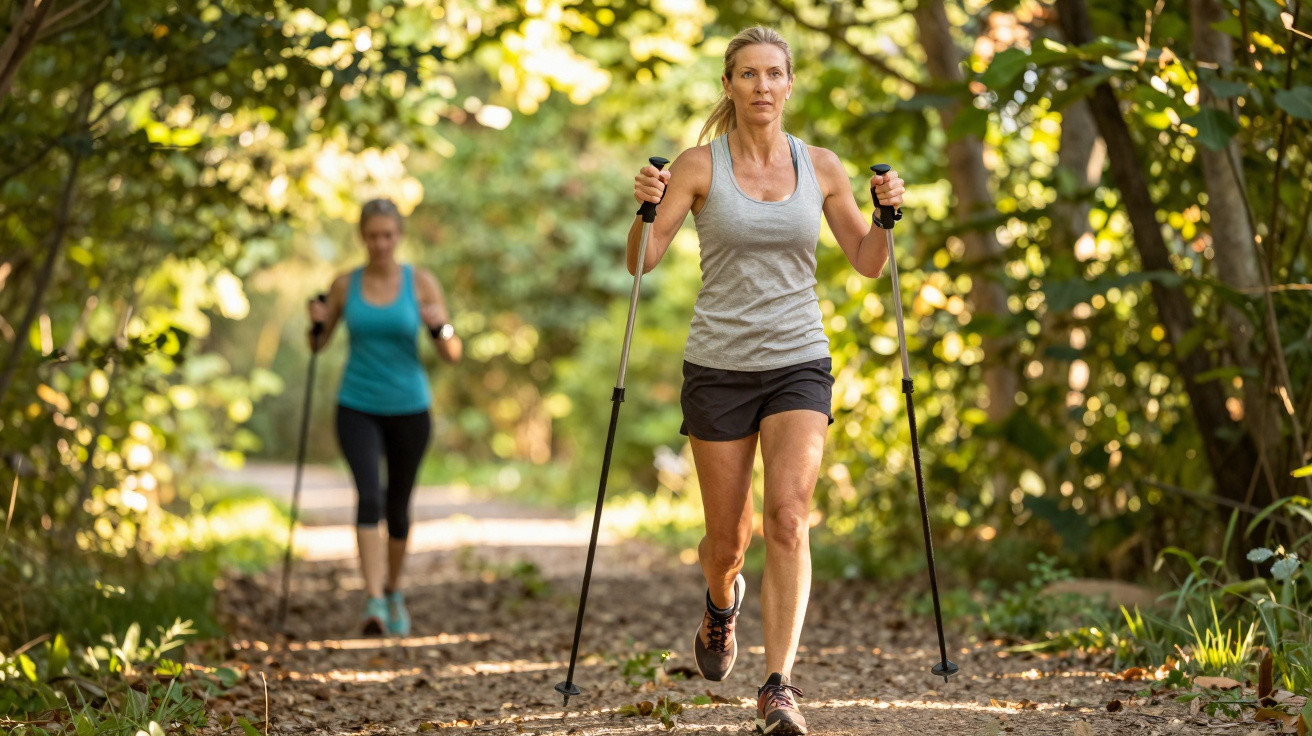
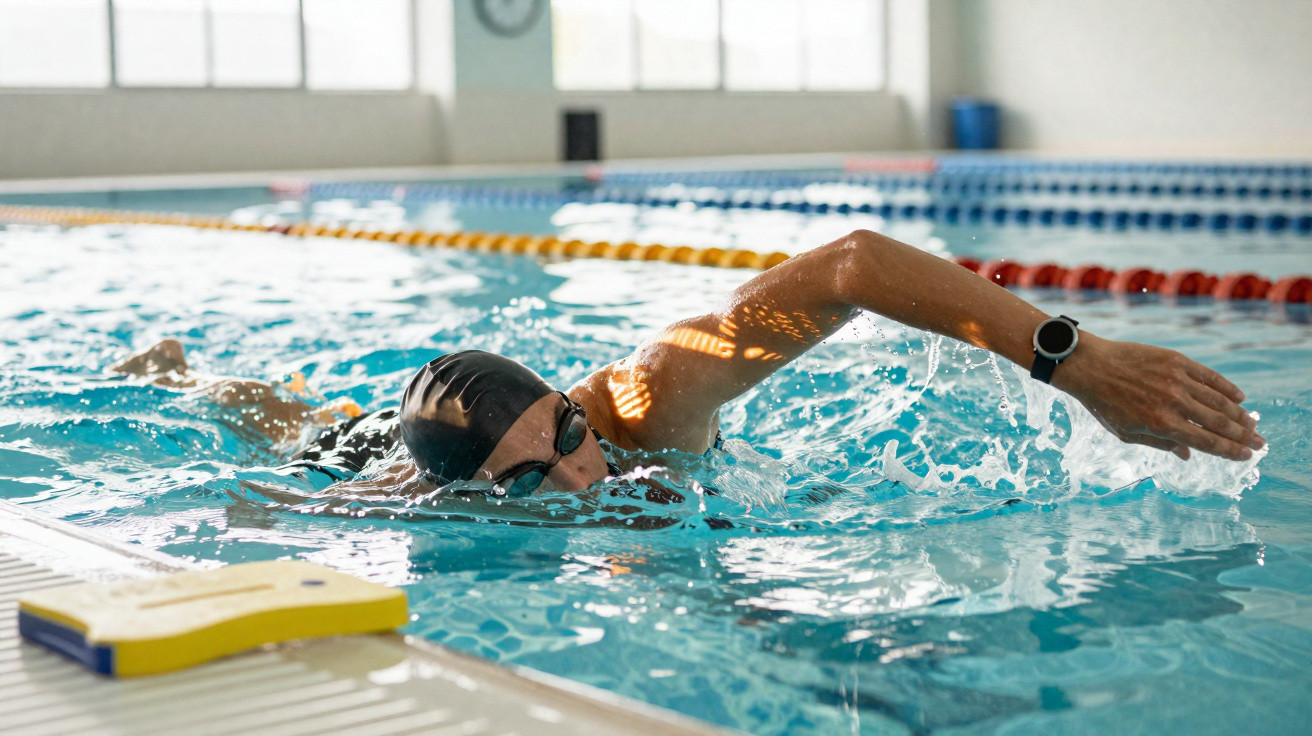
As an add-on, activities that mobilise the trunk without overwhelming it can help: brisk walking, Nordic walking, gentle swimming or calm yoga. Combined with the Pilates routine above, this creates a mix that not only supports appearance, but also protects the back and can make day-to-day life feel easier.
Comments
No comments yet. Be the first to comment!
Leave a Comment