
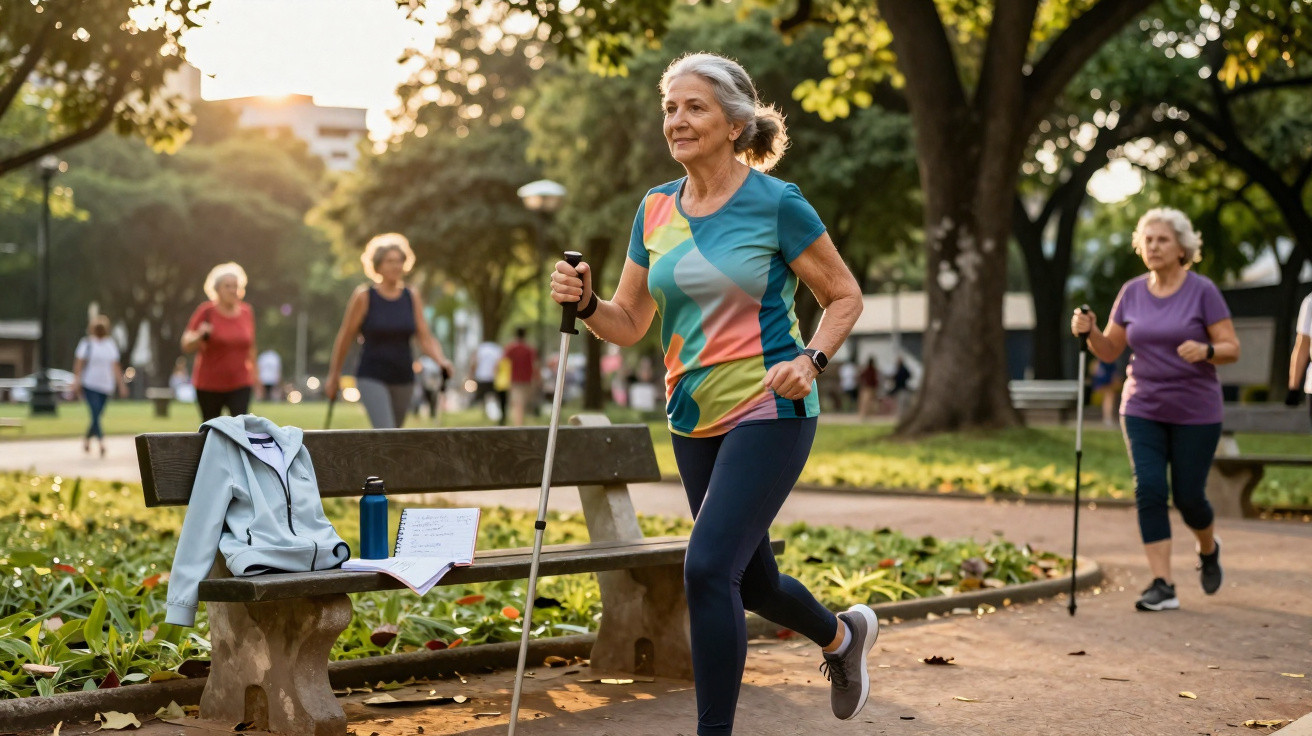
Keeping up regular physical exercise can be a major challenge during active ageing. A recent study with older adults in Maringá found that motivational factors outweigh day-to-day aesthetic concerns. Supporting overall health and safeguarding autonomy are key drivers of long-term consistency.
How does motivation shape older adults’ routines?
In later life, the pursuit of wellbeing often involves deeper priorities that go far beyond appearance. Many people attend local sports centres and private gyms with a clear focus on the muscular strengthening they need. This inner motivation makes it easier to push through difficulties and supports healthy ageing.
Analyses led by Bruno Fernando de Souza Tavares point to distinct patterns of behaviour among those assessed. Ongoing engagement in physical activity is closely linked to receiving the right prompts and support within the environments they choose. Regular exercise boosts day-to-day energy and tackles sedentary behaviour effectively.
The study set out the main places older adults in Maringá use for self-care activities:
- Private gyms: settings centred on traditional weight training and personalised strength sessions.
- Outdoor senior gyms: public, open-air equipment designed to support physical mobility.
- Sports centres: municipal complexes offering varied activities and qualified group support.
- Integrated spaces: community venues that combine recreational practice with daily social interaction.
- Specialist clinics: environments focused on functional, preventive physical rehabilitation.
What benefits are noticed in later life?
Maintaining functional capacity stands out as the most significant gain reported by this active group. Being able to handle simple household tasks without help from other people brings a strong sense of usefulness. Physical independence is highly valued and reinforces the self-esteem of both men and women who take part.
Eduardo Quadros da Silva highlights the importance of mapping individual preferences in order to design effective programmes. When the emphasis shifts from aesthetics to health, outcomes are more sustainable. This transformation helps establish a protective way of life.
What does the Springer Nature publication say?
Findings published in the respected Journal of Cross-Cultural Gerontology offer valuable insights into Brazil’s older population. The cross-sectional study closely assessed two hundred and twenty-five older adults in the south of the country. The scientific analysis focused on understanding genuine motivations and the obstacles participants manage to overcome.
| Statistical data | |
|---|---|
| Sample profile | The investigation mapped the routine of active older adults in Paraná. |
| Participants showed strong adherence to supervised training. |
Understanding these statistical findings can help public and private managers improve existing urban sports spaces. A welcoming approach and professional guidance make it more likely that the senior public remains active for longer. Humanised support builds a strong, mutual bond of trust.
The main pillars identified for retaining older participants were:
- Quality of physical facilities.
- Social support from peers.
- Variety of activities available.
How can perceived day-to-day barriers be overcome?
External factors-such as unsuitable weather or a lack of safe transport-can often discourage consistent participation. Recognising these real limitations makes it possible to create effective strategies that help older adults keep going. Daily persistence helps to beat physical reluctance and supports improvements in longevity.
Family backing also plays a central role by encouraging older people to keep their active commitments. When relatives support the decision, the adjustment process feels more positive. This kind of welcoming reduces isolation and strengthens a sense of overall security.
Commonly mentioned barriers that organisers should pay close attention to include:
- Not having someone to train with.
- Pre-existing joint pain.
- Extreme weather conditions.
Why choose consistency rather than intensity?
Many people prefer walking instead of going to a gym because it offers greater day-to-day freedom. This simple preference shows how consistency and regularity can matter more than immediate intensity. What matters most is maintaining an active, healthy habit over the long term.
Building a lasting routine protects the body and supports the mental wellbeing needed to age well. Ongoing physical activity can become an essential daily pleasure for everyone. Enjoying this active journey can markedly improve overall quality of life.
Official source: Information gathered directly from Springer Nature Link.

Comments
No comments yet. Be the first to comment!
Leave a Comment