
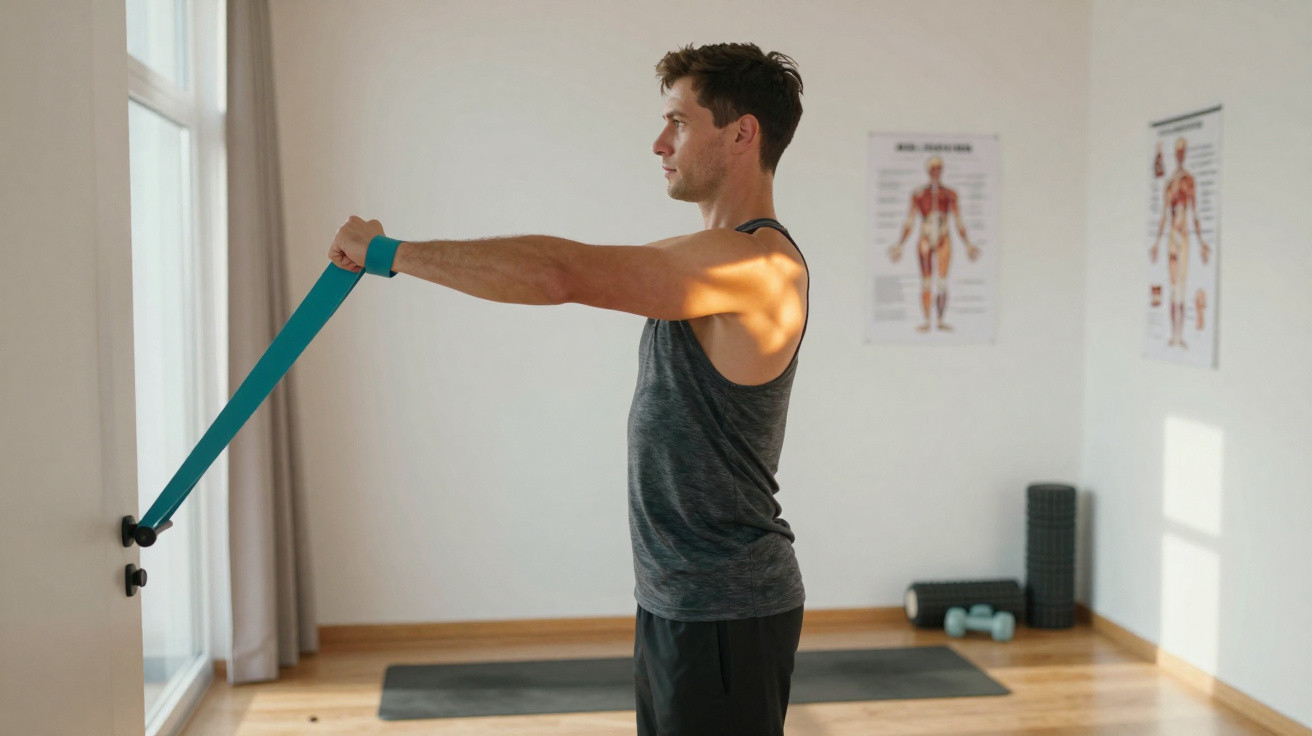
Building strength in the right muscles is one of the most reliable ways to prevent injuries and support long-term joint health. When the goal is to protect the shoulders and avoid chronic pain, the focus should be on the muscle groups that control stability and keep movement properly aligned. Strengthening these structures each day can lower the likelihood of tendinitis, inflammation and rotator cuff issues, while also improving posture and overall quality of life.
Which muscles matter most for shoulder stability?
The shoulders rely on several muscles working together to keep the joint steady as you move. Among the most important are the rotator cuff muscles, which help hold the head of the humerus in the correct position.
Alongside the rotator cuff, other muscle groups also protect the joint and help prevent overload. The key ones include:
- Supraspinatus, which helps initiate lifting the arm.
- Infraspinatus, essential for external rotation.
- Subscapularis, which supports internal rotation.
- Teres minor, contributing to rear (posterior) stability.
- Serratus anterior, crucial for controlling the shoulder blade (scapula).
- Middle and lower trapezius, important for keeping the shoulders aligned.
How can you protect the shoulders and avoid chronic pain with simple exercises?
You do not need specialist equipment to strengthen the muscles that stabilise the shoulder. Bodyweight movements can be highly effective, provided they are done regularly and with sound technique.
A short routine performed daily helps develop muscular endurance and limits the wear and tear associated with repetitive actions. In practice, consistency tends to matter more than pushing the intensity.
Which exercises help prevent rotator cuff injuries?
Certain movements are especially useful for building the muscles that safeguard the shoulder tendons. They can be done at home and require very little space.
To show how to apply this in a practical way using everyday items you already have at home, @dr.robsonsitta put together a quick guide featuring three fundamental exercises for the rotator cuff. Watch the demonstrations in the video below:
Why does daily strengthening reduce the risk of tendinitis?
Tendinitis typically develops when tendons face repeated loading but the surrounding muscles are not strong enough to absorb and manage that demand. When the stabilising muscles are well conditioned, movement becomes more efficient and safer.
Daily work improves muscular coordination, increases tissue endurance and reduces compensations that can place extra strain on the joint. With just a few minutes each day, you can build a solid base to keep your shoulders healthy, limit recurring discomfort and significantly reduce the chance of developing chronic pain over time.






Comments
No comments yet. Be the first to comment!
Leave a Comment