
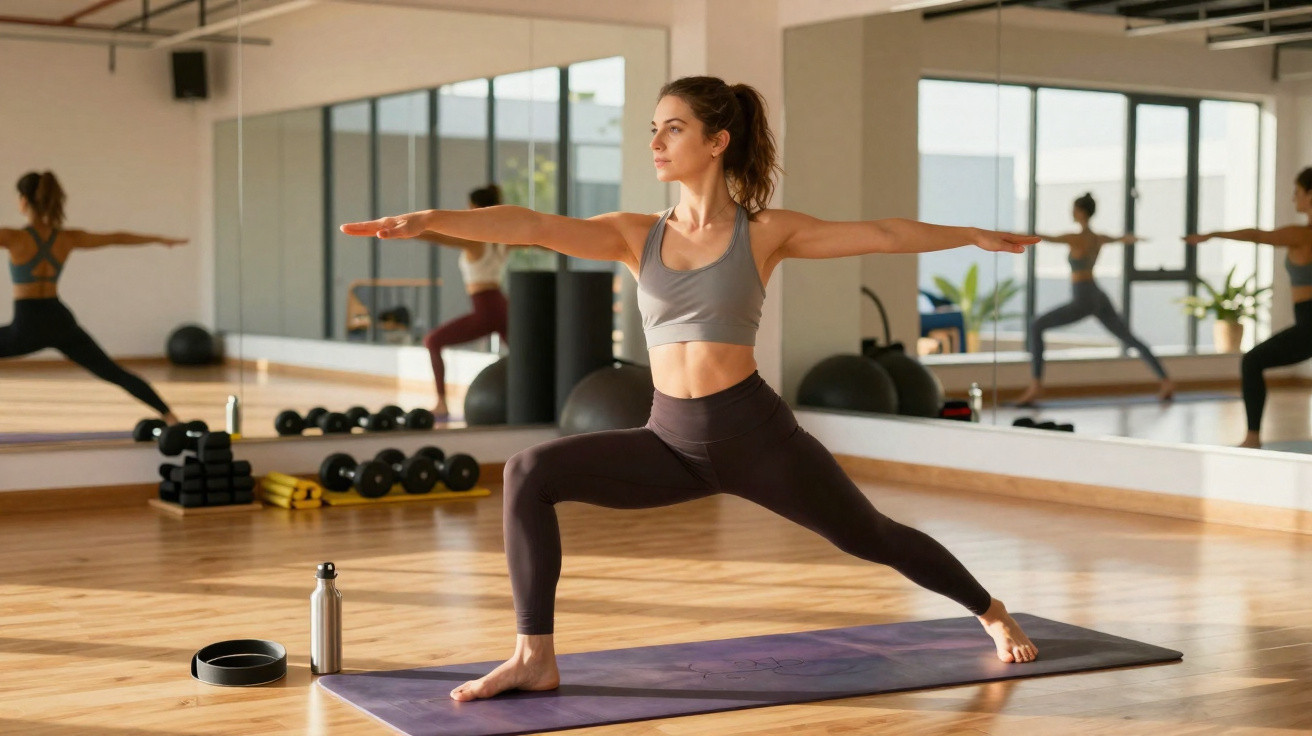
Yoga has become one of the most in-demand activities in gyms over recent years. What was once widely regarded as a practice aimed mainly at relaxation has found a strong following among people who want to improve physical fitness, mobility and mental health. By blending physical exercises with breathing techniques and focused attention, yoga delivers wide-ranging benefits that support wellbeing and help create a more balanced routine.
What physical changes does yoga cause in the body?
Practising yoga consistently can lead to meaningful changes in the body. One of the most noticeable results is improved flexibility, because the poses work muscles and joints progressively and safely. Over time, movements that initially feel challenging often become much easier to perform.
If you want to see how yoga can help improve posture and ease long-term aches and pains, it is worth looking at the guidance from @Babi Rezende. She shows how regular practice can make the body feel more stretched and lighter, emphasising that changes may be felt even within the first training sessions.
Why has yoga become a trend in gyms?
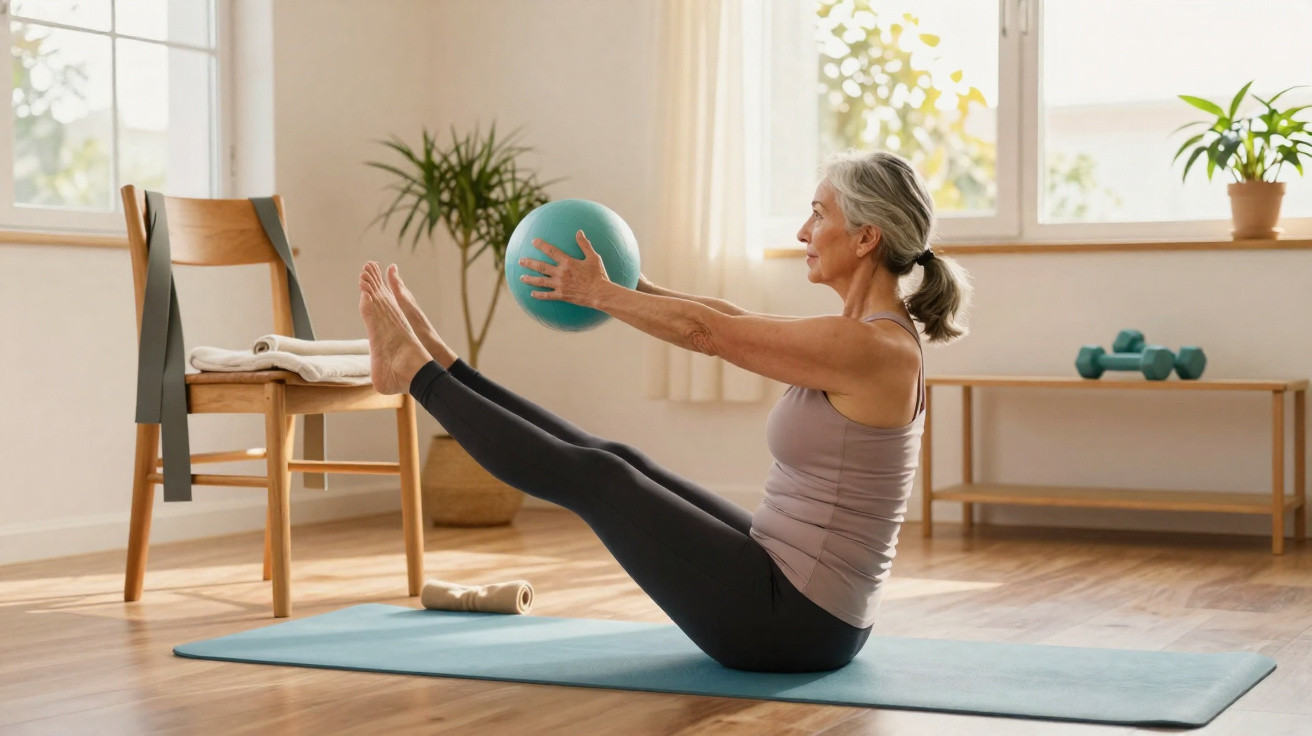
The rise in popularity is linked to people looking for activities that are both well-rounded and accessible to different types of participant. Unlike high-impact workouts, yoga can be adapted for beginners, older adults and more experienced practitioners, which makes it a flexible option within gym programmes.
Among the main reasons behind its popularity, the following benefits stand out:
- Better posture and improved body alignment.
- Greater flexibility and mobility.
- Less stress and reduced day-to-day tension.
- Increased muscle strength without excessive impact.
- An effective complement to other sports and training styles.
Which yoga styles are most popular right now?
As demand has grown, a range of styles has become available in gyms and training centres. Each approach has its own features and can suit different goals, from deep relaxation to a more intense focus on fitness.
The most sought-after options at the moment include:
- Hatha Yoga, ideal for those just starting out.
- Vinyasa Yoga, with more dynamic, flowing sequences.
- Power Yoga, centred on strength and physical endurance.
- Yin Yoga, focused on deep, sustained stretches.
- Hot Yoga, practised in a heated environment.
What should you expect in the first few weeks of practice?
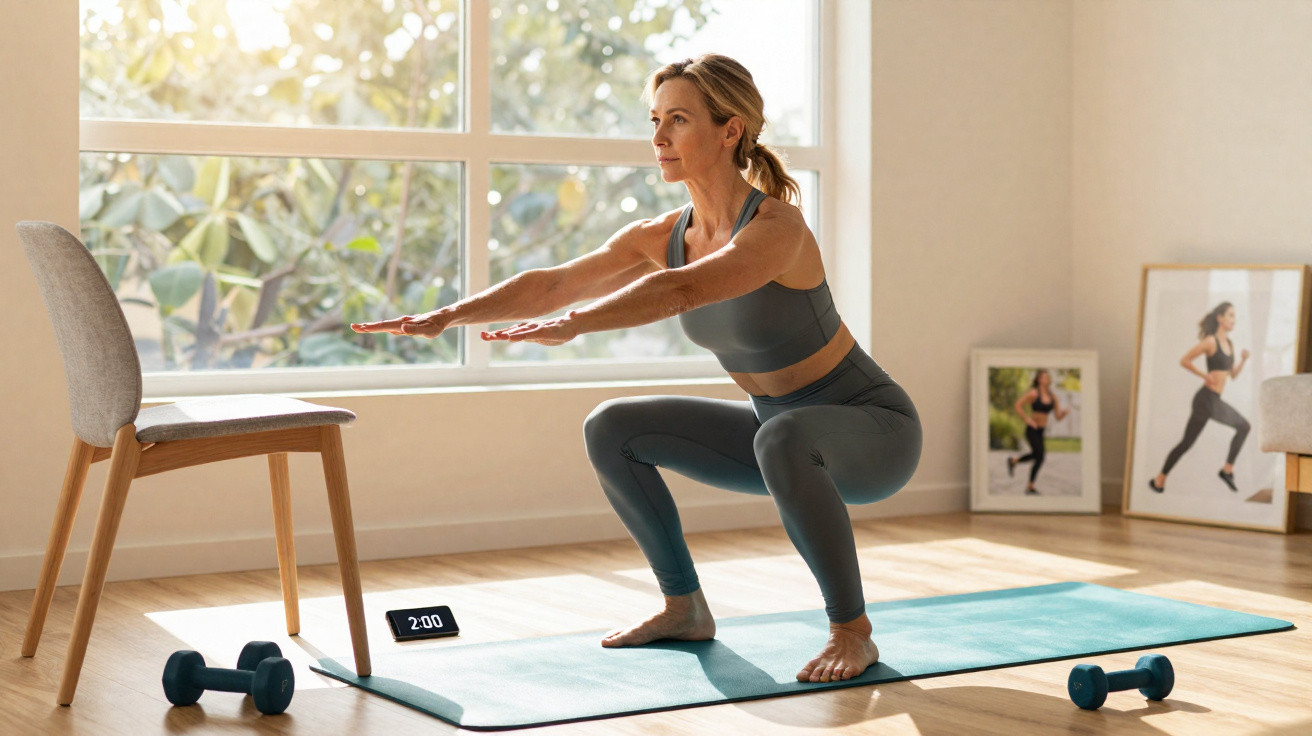
In the first days, it is common to struggle with certain positions and to notice limits in mobility. This is because the body is adjusting to new demands and learning movement patterns that differ from those used in everyday life.
After a few weeks, many people report feeling more energetic, steadier in their balance and more aware of how they move. Sleep quality often improves too, as does the ability to handle stressful situations. With consistency and the right guidance, the benefits of yoga become increasingly clear for both body and mind.


Comments
No comments yet. Be the first to comment!
Leave a Comment