
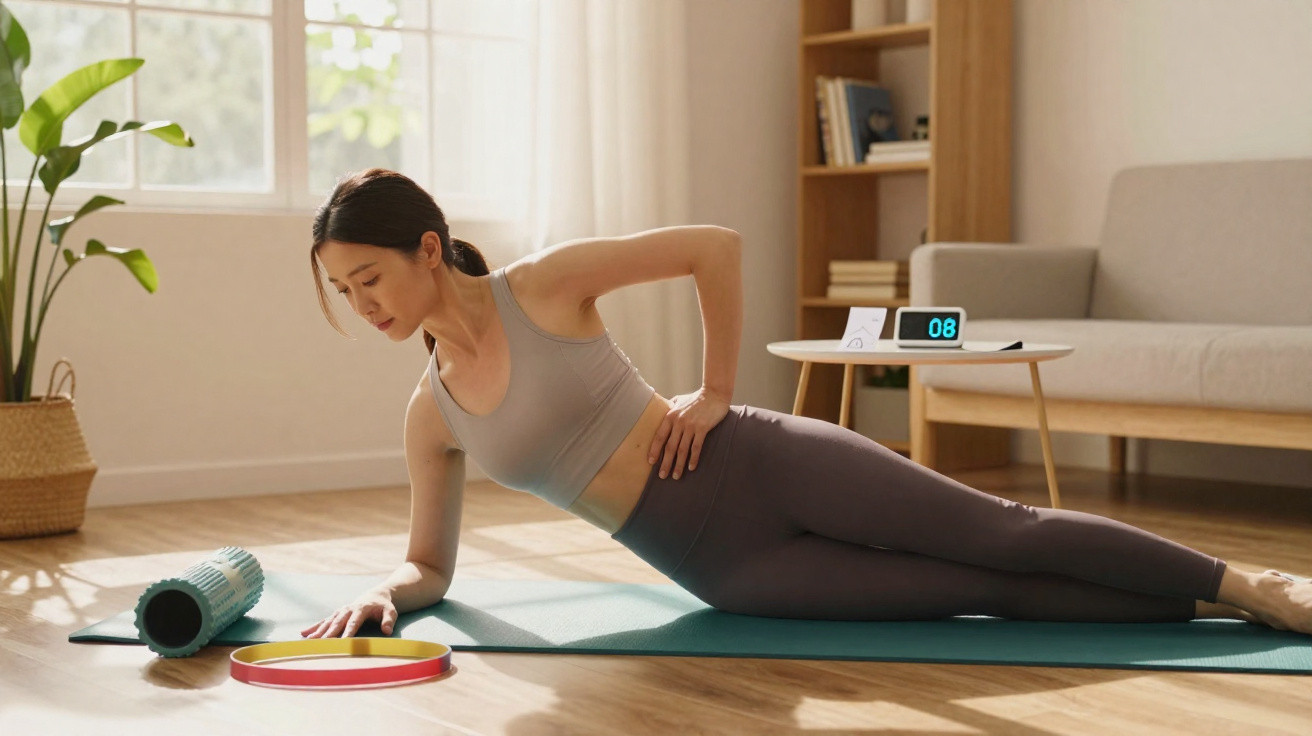
Protecting the hips and avoiding chronic pain has become an increasingly common concern, especially for people who spend long hours sitting down, take part in physical activity, or already notice discomfort when walking. The good news is that a few key muscle groups play a central part in keeping the joint stable and can be strengthened every day in just a few minutes. When these muscles are switched on and strong, the body shares load more effectively, helps limit joint wear, and can greatly reduce the likelihood of injuries and ongoing pain.
Which muscles matter most for protecting the hips?
Physiotherapists often point to certain muscle groups as essential for keeping the hip stable and working well. They influence pelvic alignment directly and help control the movements you make during everyday tasks.
Among the most important muscles for joint protection are:
- Gluteus medius, which supports side-to-side hip stability.
- Gluteus maximus, which produces power for walking and climbing stairs.
- Core muscles, which stabilise the centre of the body.
- Hip abductors, which are vital for balance.
- Hamstrings, which assist with supporting and moving the pelvis.
Strengthening these structures together builds a solid foundation and helps prevent the muscular compensations that so often lead to pain.
How does the gluteus medius help to prevent chronic pain?
The gluteus medius is widely regarded as one of the most important muscles for hip health. Its main job is to stop the pelvis from dropping too much when you walk, run, or put your weight on one leg.
If this muscle is weak, other areas have to make up for the lack of control. That can increase strain through the knees, lower back, and hips, encouraging inflammation and discomfort that may become recurrent over time.
Which exercises strengthen the muscles that protect the hips?
You do not need machines or a gym to strengthen the muscles that stabilise the hip. Many straightforward exercises can be done at home using only your bodyweight.
To help you approach this in a safe and mindful way, the physiotherapist @dr.rodrigolopes put together a sequence of gentle yet highly effective movements. In the video below, he demonstrates the ideal step-by-step approach to protect the joint and ease pain:
How can you fit daily strengthening into your routine?
An effective routine can take under 15 minutes. The key is consistency and doing each movement correctly. Short sessions done every day typically bring better results than long workouts performed only now and then.
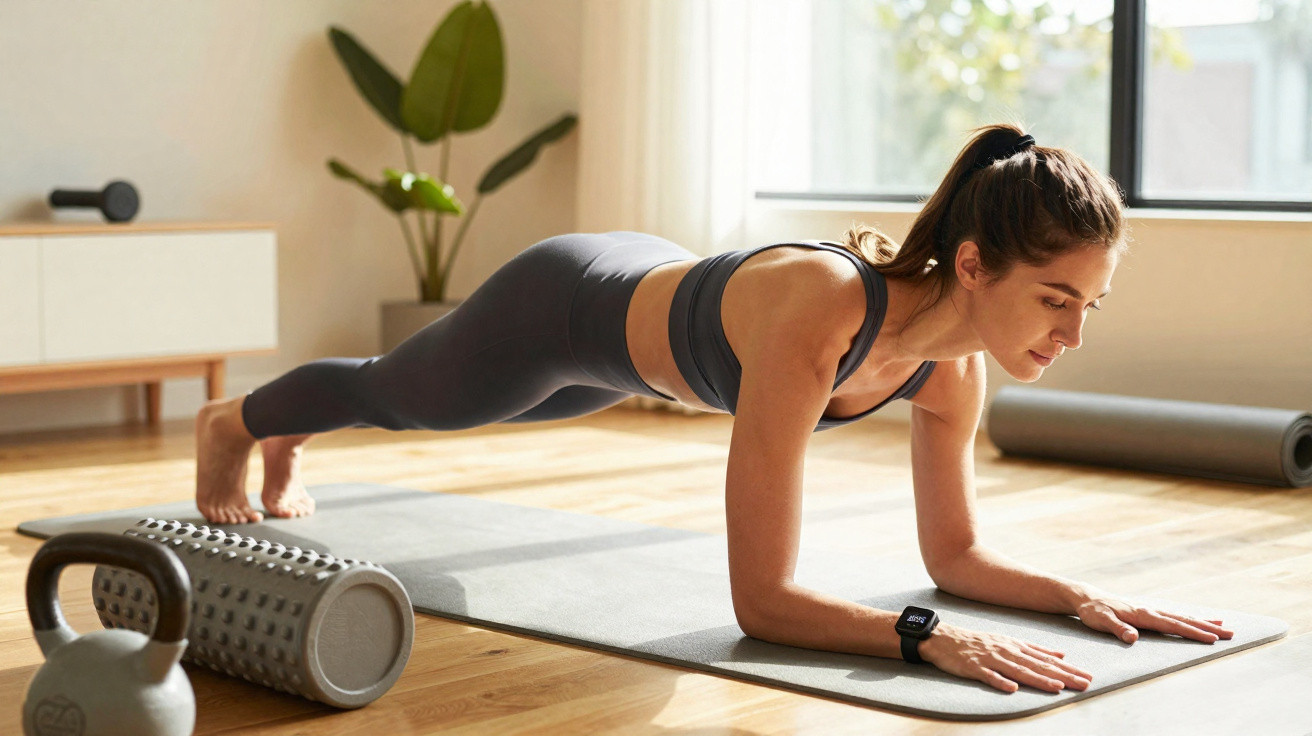
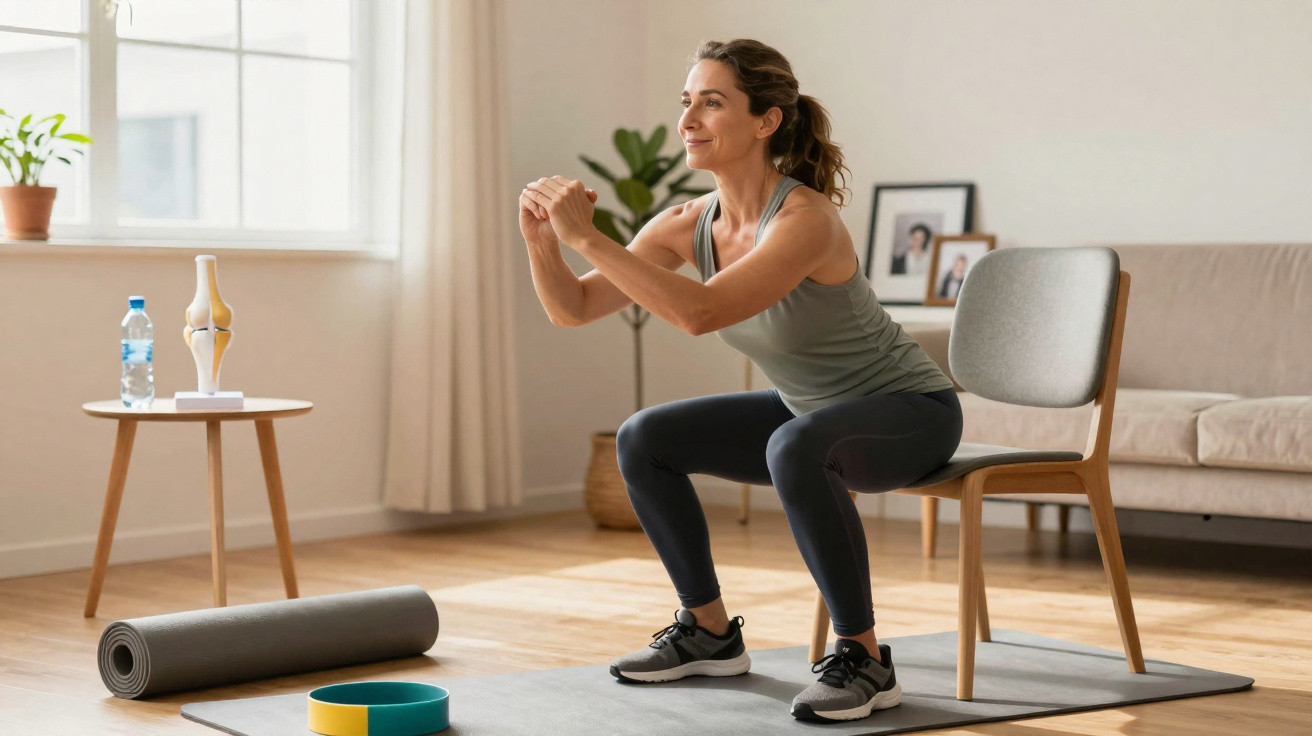
A simple plan is to complete two sets of 10 to 15 repetitions of glute bridges, squats, and side leg raises. Then hold a plank for 30 seconds and finish with single-leg balance. This habit strengthens the muscles responsible for joint stability, improves posture, and helps you protect the hips and avoid chronic pain in a natural, accessible way.



Comments
No comments yet. Be the first to comment!
Leave a Comment