
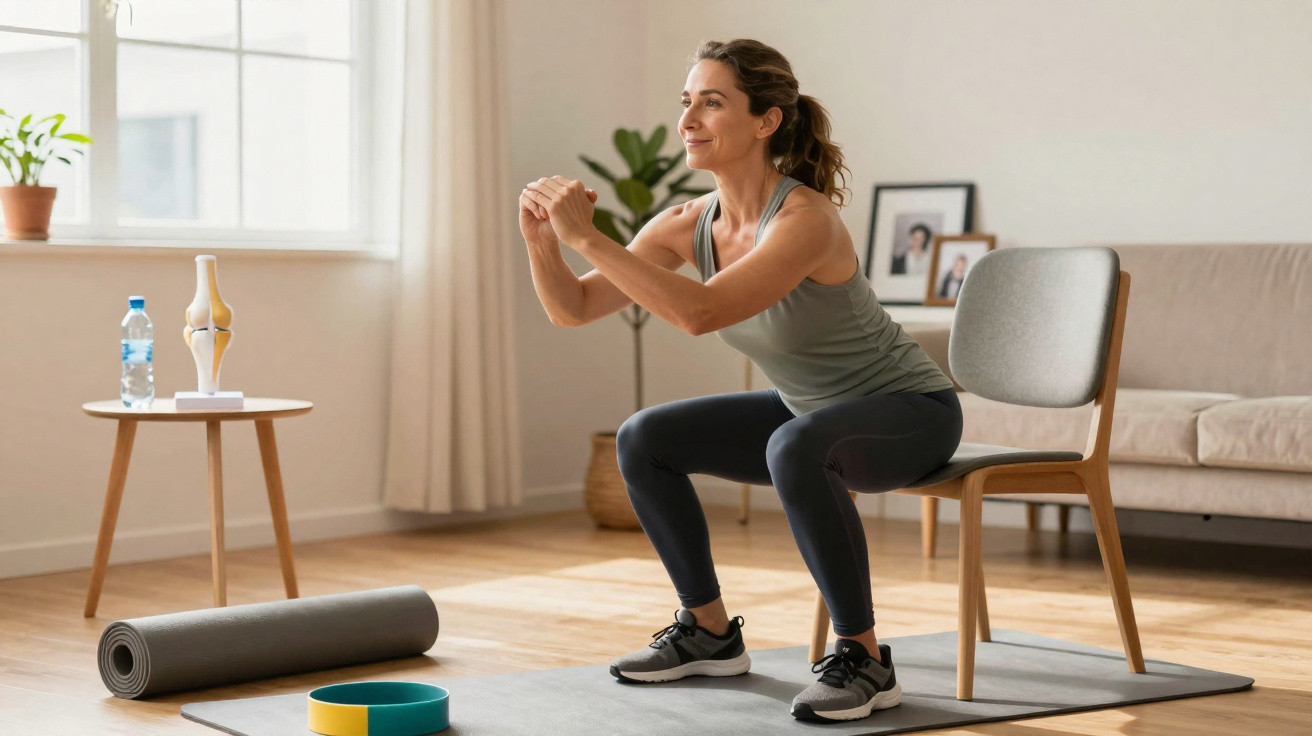
Steel knees at 60 are not built through extreme movements, but through consistent, regular exercises that strengthen the quadriceps, glutes, calves, and key stabilising muscles. The right kind of physical activity helps move synovial fluid around the joint, ease stiffness, and improve joint function-particularly for people who already notice early signs of knee wear.
Why does movement help to “lubricate” the knees?
Because cartilage does not receive blood supply in the same way other tissues do, it relies on movement to help nutrients circulate via synovial fluid. When you bend and straighten the knee under controlled load, this fluid spreads more effectively across the joint surfaces.
That does not mean exercise can miraculously regenerate worn cartilage. Instead, exercise is used to reduce stiffness, build muscular strength, and lower the load placed on the joint-an approach commonly recommended for people with osteoarthritis or long-term knee pain.
Which 4 exercises are most recommended?
The exercises most often suggested for mature knees focus on strength, control, and low impact. The aim is to train the muscles that support the joint without jumping, hard running, or sudden, jerky movements.
- Isometric quadriceps extension, tightening the thigh while keeping the leg straight.
- Straight leg raise, strengthening the front of the thigh without bending the knee.
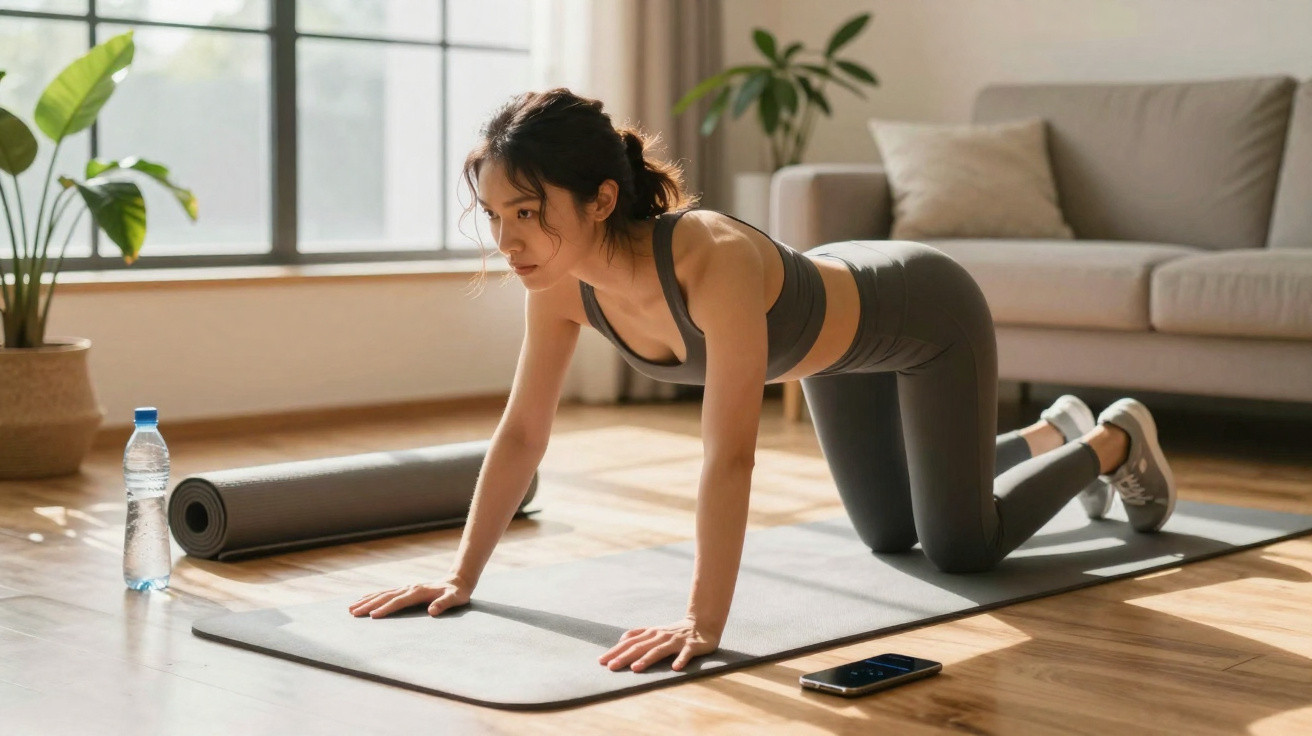
- Glute bridge, activating the hips and reducing strain on the knees.
- Calf raises, important for ankles, balance, and walking.
How can you do them without worsening pain or wear?
Move slowly, stay within a comfortable range of motion, and avoid sharp pain. At the beginning, a small number of well-controlled repetitions is more valuable than long sets, because the priority is teaching the knee to move with stability.
The AAOS knee conditioning programme includes exercises such as leg raises, standing knee bends, and progressive strengthening, always staying within pain limits and maintaining good control of the movement.
Which habits increase cartilage protection?
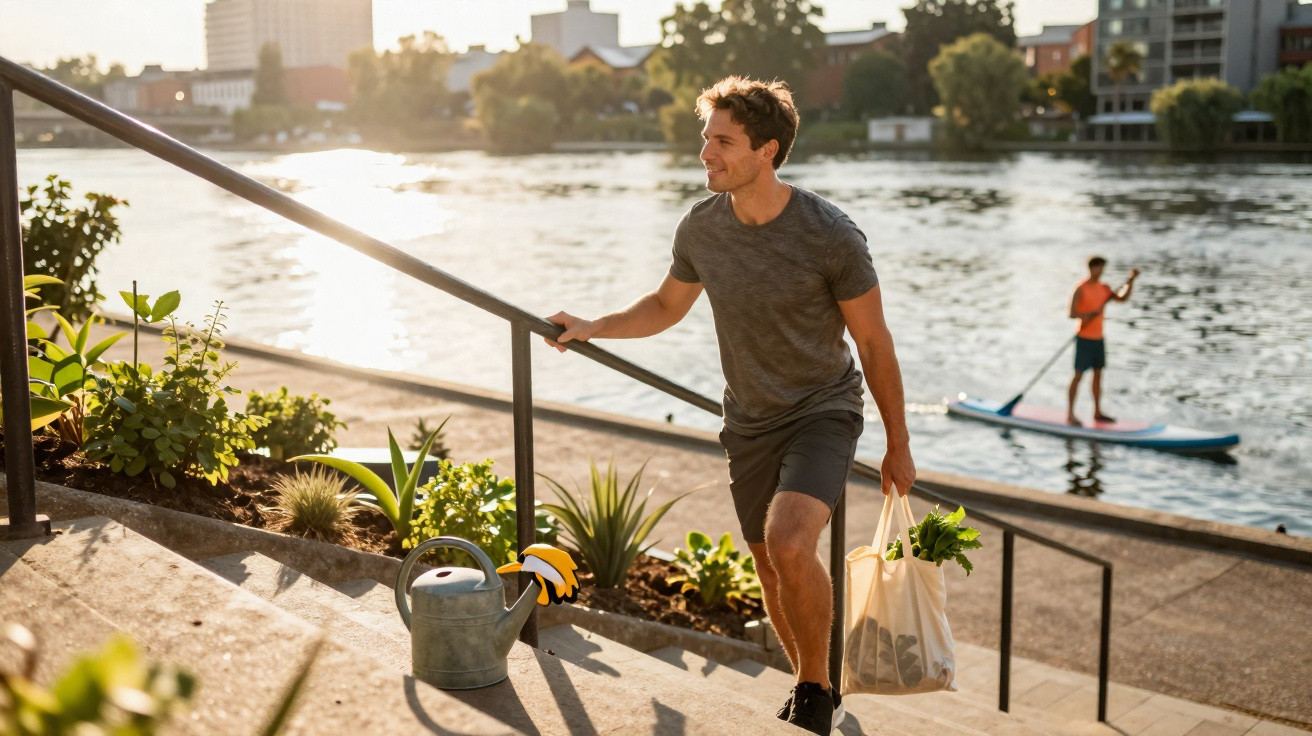
Exercise tends to work best when it sits within a routine that includes light walking, mobility work, hip strengthening, and weight management. Reducing excessive load on the knee lowers pressure on cartilage and makes everyday tasks-such as climbing stairs, standing up from a chair, and walking for longer-feel easier.
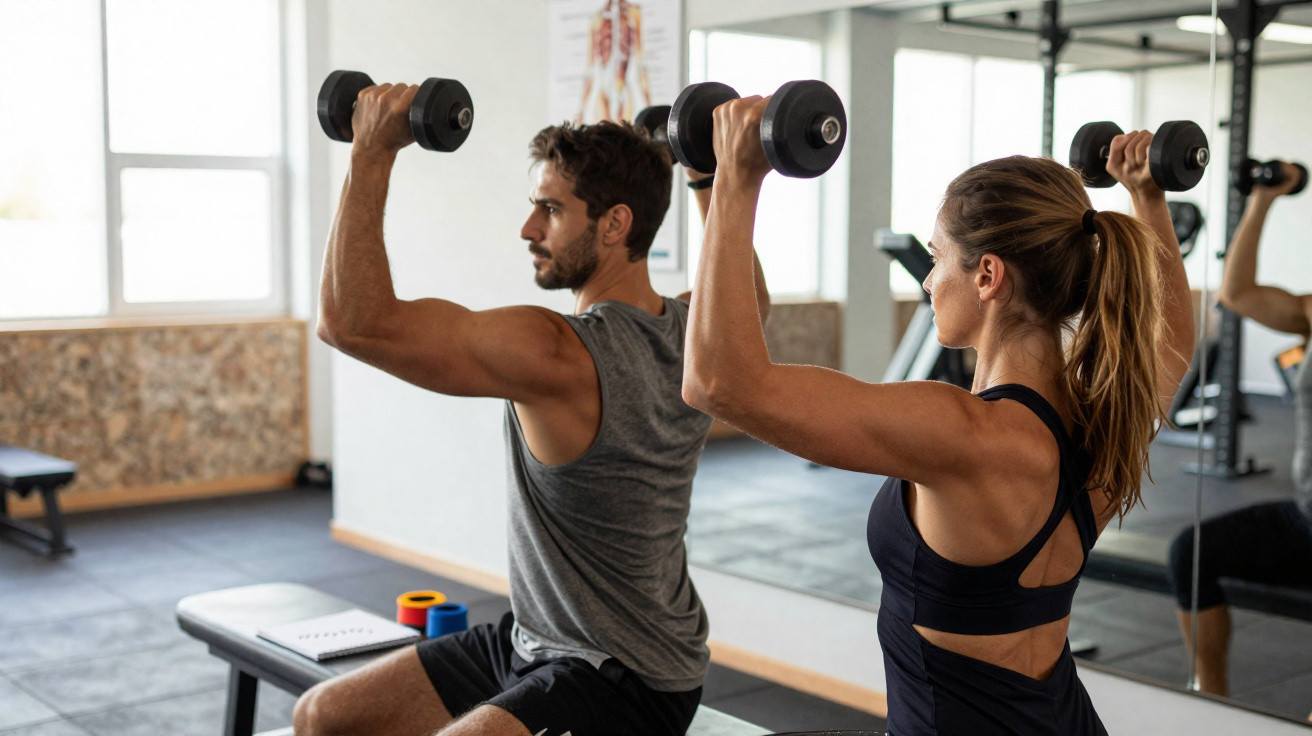
- Do strength training two or three times per week, with rest between sessions.
- Choose cycling, gentle walking, or water-based exercise if impact triggers pain.
- Avoid jumping, intense running, and deep squats if they cause pain.
- Warm up before training and stretch gently afterwards.
- See a physiotherapist if you notice swelling, locking, or instability.
How to keep knees strong after 60?
After 60, consistency matters more than intensity. Low-impact exercises done at a controlled pace help maintain synovial fluid circulation, keep leg strength up, and improve confidence in everyday movements.
You tend to see the best results when strengthening, mobility, and balance are trained together. With appropriate guidance, the knees receive enough stimulus to support daily life-without letting wear, pain, or fear of movement turn into a loss of independence.


Comments
No comments yet. Be the first to comment!
Leave a Comment