
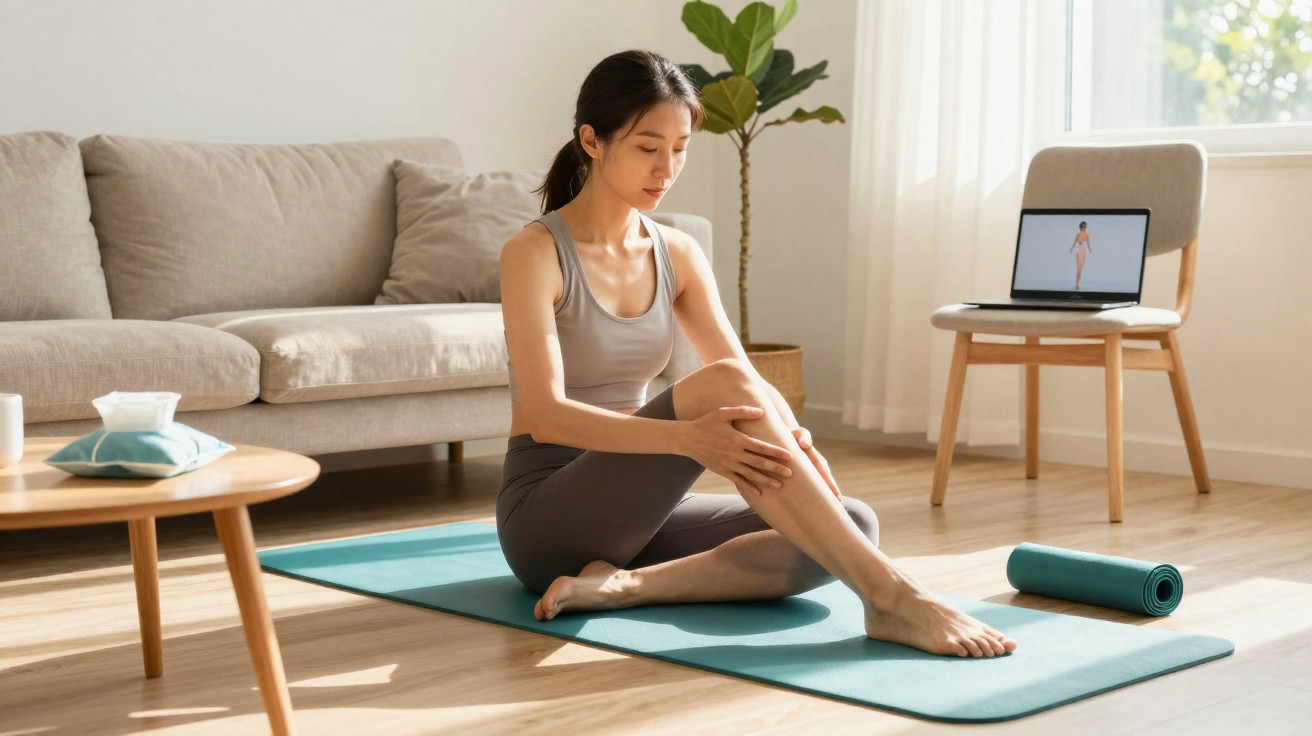
Knee strengthening is a common approach used by physiotherapists to ease everyday aches and help prevent injuries. Rather than working on the joint alone, programmes usually target the thighs, hips and calves too, because these areas support movement and improve stability when walking, climbing stairs or standing for long periods.
Why does strengthening the knees reduce pain and injury risk?
Your knees take a significant share of your body weight during routine actions such as walking or getting up from a chair. If the surrounding muscles are weak, more of the load and impact is absorbed by internal structures, which can increase discomfort and contribute to wear over time.
By building strength in the quadriceps, hamstrings, glutes and calves, force is spread more evenly and leg alignment tends to improve. This helps reduce sudden or poorly aligned movement patterns that can lead to injury, and it can make it easier to maintain independence and mobility at different ages.
Watch a video from the Saúde da Mente YouTube channel about simple at-home physiotherapy routines to stabilise the joint, protect cartilage and relieve knee pain:
https://www.youtube.com/watch?v=N3b8K2m_L4o
How should you organise a knee exercise routine?
Before starting any routine, an assessment with a healthcare professional is advised-especially if you have severe pain, swelling or a previous injury. Based on this evaluation, a physiotherapist can set the intensity, the number of repetitions and the weekly frequency in a safe, gradual way.
In many plans, exercises are done 2 to 4 times per week, alternating training days with rest days. To make scheduling simpler and help you stay consistent, it is useful to follow a few practical guidelines when putting the routine together:
- Start with easier movements that do not cause severe pain, then increase the load little by little.
- Focus on correct technique, good posture and controlled movement.
- Adjust sets and repetitions according to how your body responds in the first few weeks.
- Pair strengthening work with gentle stretching and appropriate rest intervals.
What are the main at-home exercises to strengthen the knees?
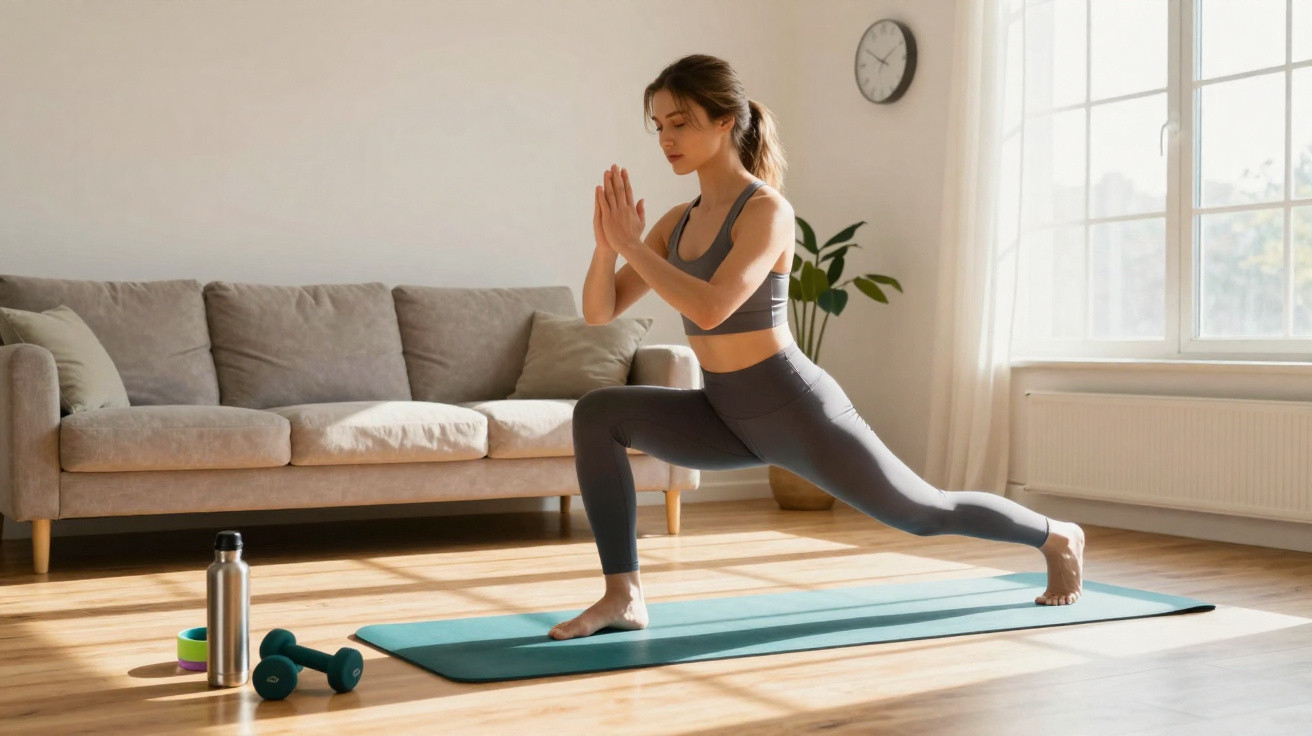
Some of the most commonly used home movements include partial squats, straight-leg raises, hip bridges, heel raises and a supported half-lunge. All of these use your body weight and can be adapted to different levels of pain and fitness.
These exercises are often performed for 2 to 3 sets of 8 to 15 repetitions, always at a slow, controlled pace. The aim is to build strength without overload, paying attention to whether any discomfort stays mild and manageable; sharp pain, locking or swelling should prompt you to stop and seek professional assessment.
When do results appear and how do you keep knees stable for longer?
With regular practice, many people notice their knees feel steadier when walking and that mild discomfort reduces within 4 to 8 weeks. Progression can be achieved by gradually increasing repetitions or the depth of the movements, provided your body is coping well.
To hold on to improvements, it is generally recommended to continue the exercises even after symptoms ease, alongside managing body weight and wearing suitable footwear. Together, these steps tend to lower day-to-day stress on the knees and make ordinary activities-such as taking the stairs or walking on uneven ground-feel more stable and safer.




Comments
No comments yet. Be the first to comment!
Leave a Comment