
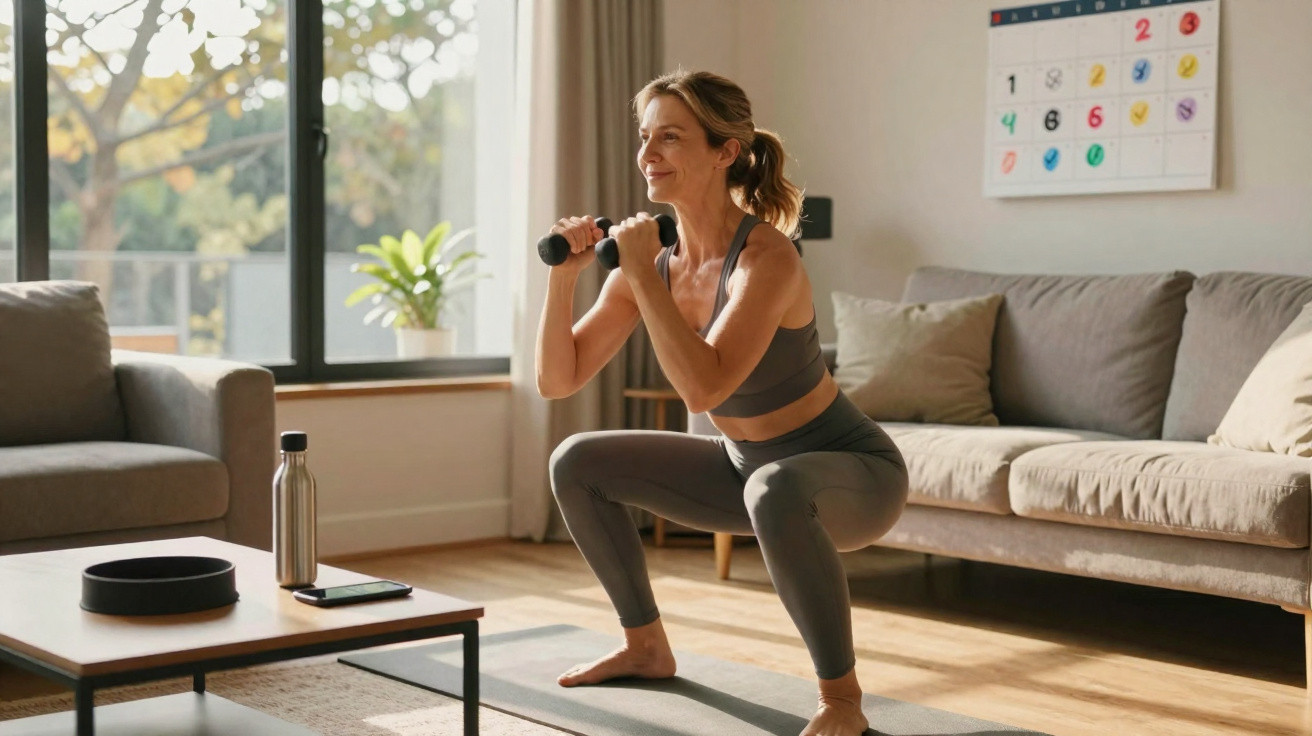
For years, the internet has been packed with countless “perfect” fitness programmes: strict rules, technical jargon and complicated split routines. The result is predictable: anyone who isn’t already sporty tends to feel put off rather than encouraged. A major review of recent research now lands on a very clear takeaway: for most people, a straightforward, everyday strength training routine - repeated consistently - is more than enough to become noticeably fitter, stronger and healthier.
New data, a clear message: train simply, but regularly
The latest recommendations come from a position statement by the American College of Sports Medicine. They are based on an analysis of 137 systematic studies involving more than 30,000 participants. The core message could hardly be more basic: do something - and stick with it.
“Strength training works when people regularly perform simple exercises that challenge all the major muscle groups. Perfection is secondary; sticking with it is what counts.”
Compared with 2009, there is now far more research on strength training, ageing and long-term health. The overall picture has become hard to ignore: the exact plan, the “magic” exercise order or the perfect weight matter far less than many people assume.
What actually matters is:
- training all major muscle groups at least twice per week
- working with focus and noticeable effort
- choosing a routine that genuinely fits into everyday life for the long run
According to the data, it is of secondary importance whether you use dumbbells at the gym, resistance bands in your living room or just your own bodyweight. The decisive factor is consistency.
Why even small steps make a big difference
One of the strongest findings in the review is how much benefit comes from moving from “nothing at all” to “a little bit”. People who have done little or no strength training tend to respond particularly quickly.
The body adapts in ways you can clearly feel:
- muscles get stronger
- everyday movements become easier
- day-to-day resilience increases
- stairs, shopping bags or gardening feel less taxing
You do not need marathon sessions or punishing programmes to get these effects. Even two short sessions per week built around simple movements can produce measurable improvements - especially for beginners and older adults.
How much weight, how many sets - is it really that important?
A lot of online advice revolves around percentages of one-rep max, complex set-and-rep schemes or specific periodisation models. The new review puts those fine details into perspective.
“In real life, it matters far less whether someone does three or four sets - what matters is that the exercises are done regularly and with effort.”
In practical terms, someone training at home with water bottles and genuinely working hard will gain more than someone with a perfectly engineered gym plan who stops after a fortnight. Rather than getting lost in the weeds, a simple focus tends to work well:
- Pick one exercise for each major muscle group (e.g. legs, back, chest, shoulders, core).
- For each exercise, do two to three sets of 8–15 repetitions.
- Choose a weight or difficulty where the final repetitions feel challenging, but can still be completed with good form.
That already places most people in the range where studies show clear effects.
More than muscles: a health boost for heart, metabolism and brain
Strength training is no longer just about appearance or “gym culture”. The review highlights health impacts in particular - and they extend well beyond stronger arms.
Regular strength training can:
- stabilise blood sugar and reduce the risk of type 2 diabetes
- positively influence blood pressure and blood lipid levels
- significantly reduce the risk of falls in older age
- strengthen bones and counter osteoporosis
- improve sleep quality and mood
Many of these benefits show up first behind the scenes - in lab results or medical tests. In day-to-day life, you may initially just notice that you feel more alert, more mobile and steadier on your feet.
No gym? Your own body is more than enough
Another point from the position statement will be welcome news for anyone who feels uncomfortable in a gym or simply doesn’t want to pay for a membership. Strength training works perfectly well without high-tech machines.
Good options include:
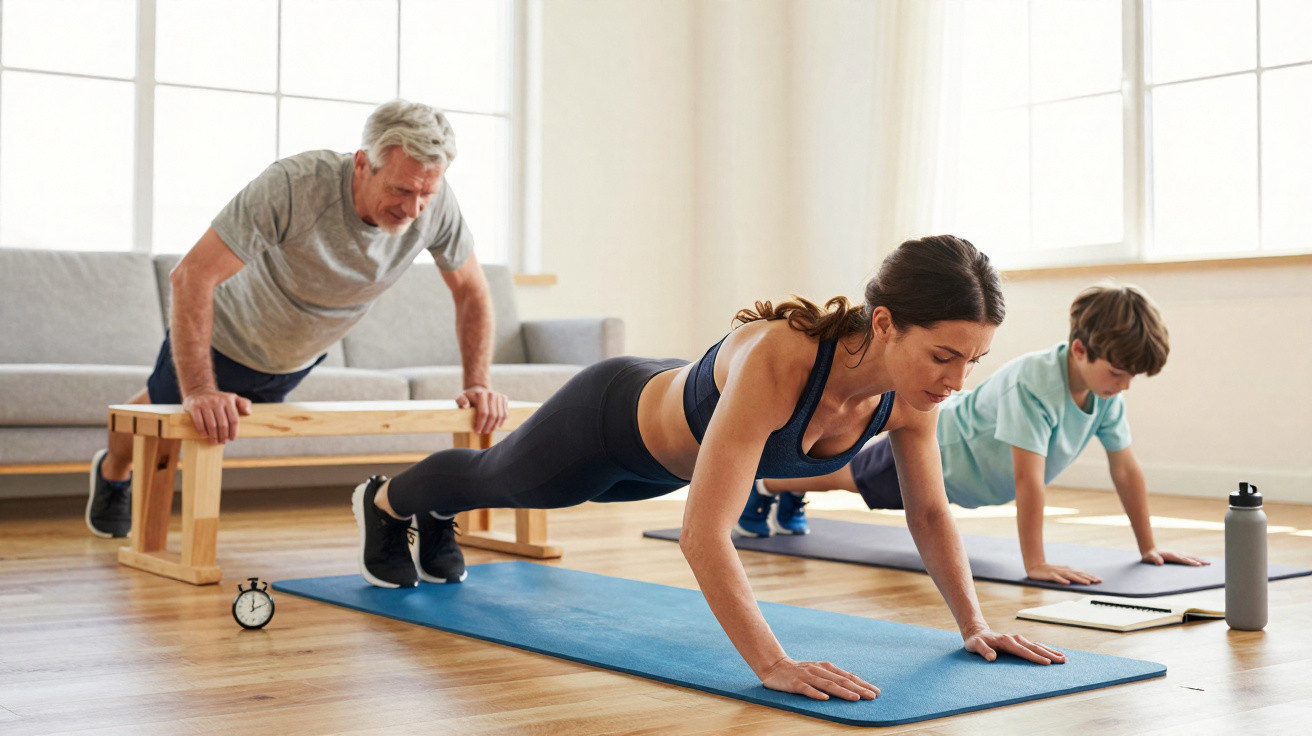
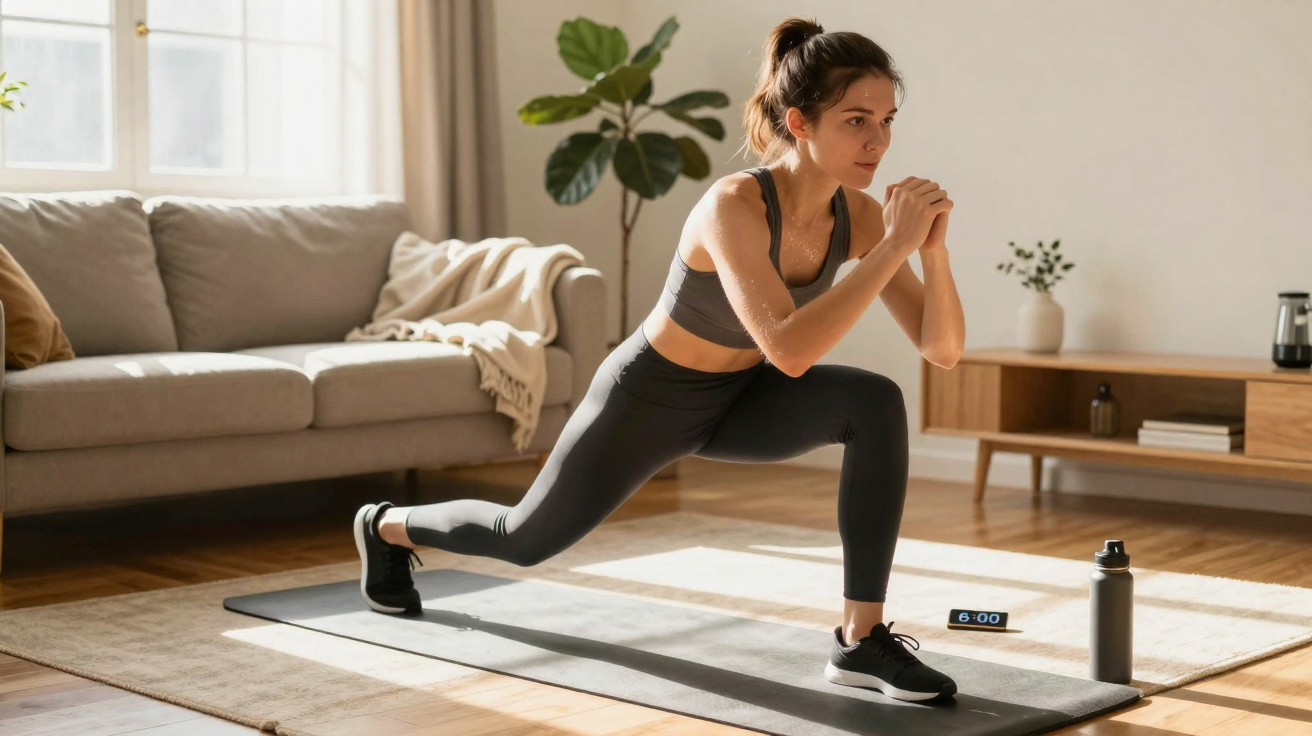
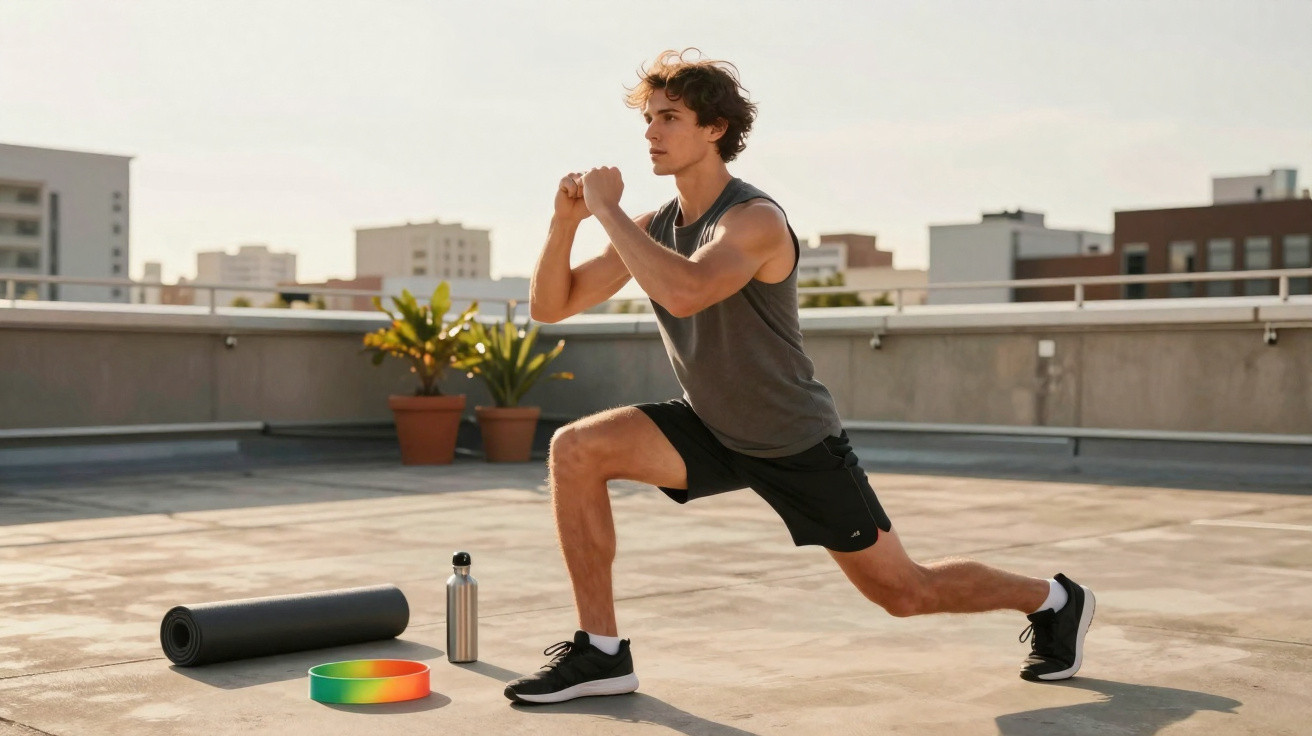
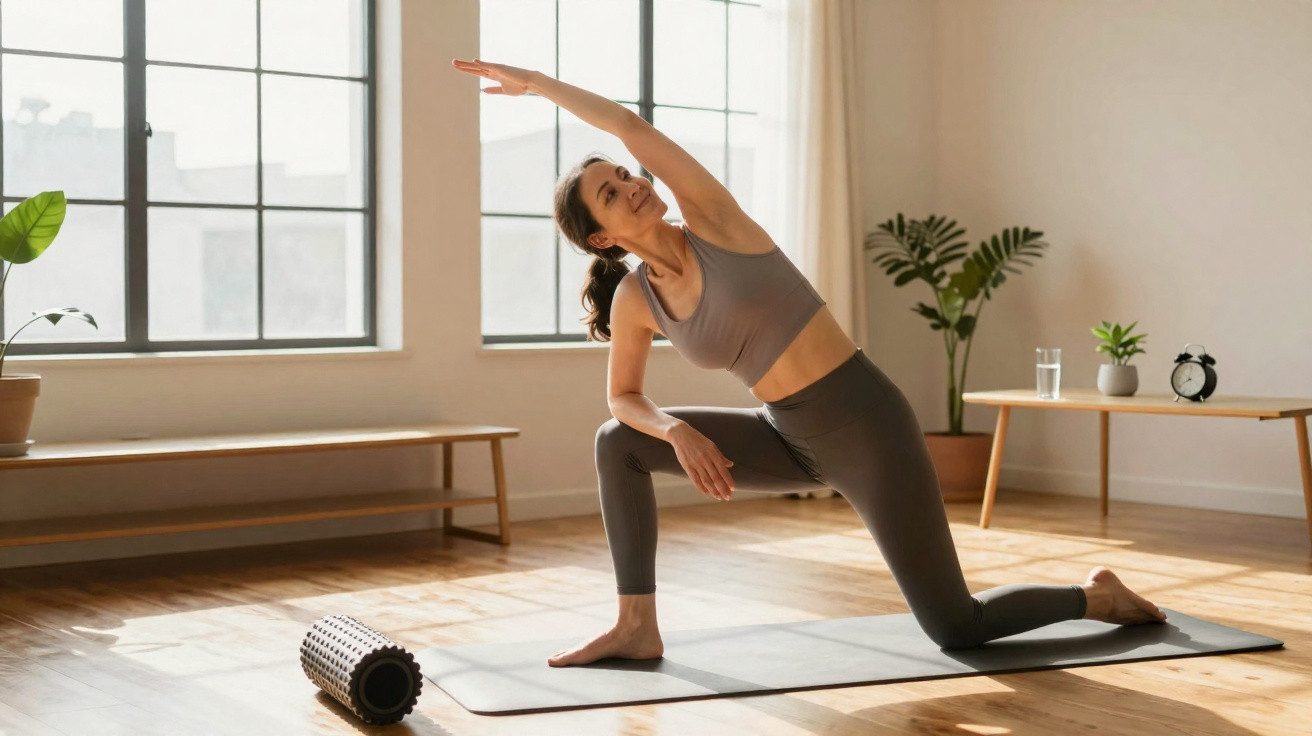
- classic bodyweight exercises such as squats, press-ups (including against a wall), lunges, planks
- resistance bands that fit in a drawer
- water bottles or rucksacks used as simple weights
- using everyday movement more intentionally - for example, taking the stairs and making it more demanding
“Anyone who schedules ten to twenty minutes of simple strength exercises at home on a regular basis can achieve similar health benefits to people following elaborate gym programmes.”
That dramatically lowers the barrier to getting started: no travel time, no contracts, and no intimidation between benches and mirrors. For many people, that is exactly what determines whether they begin at all - and whether they keep going.
Why sticking with it beats the “perfect” plan
Many people abandon fitness goals because they try to do too much at once: five sessions a week, strict dietary rules and meticulously engineered plans. As soon as everyday life gets in the way, the whole thing collapses. The new recommendations shift the focus: the winner is not the most ambitious plan, but the one that is realistic over the long term.
So the key question becomes: can you still do this training next week? And in three months’ time? If you can honestly answer yes, you have a good plan - even if it looks simple.
| Approach | Likelihood of sticking with it |
|---|---|
| Complex gym programme, 5 days per week | very motivated at the start, often dropped after a few weeks |
| Twice per week, 20 minutes of simple exercises at home | realistic in everyday life, a good chance of long-term consistency |
Strength training in everyday life: what a simple weekly plan can look like
If you are looking to get started, you can begin with very little structure. One possible basic framework:
- Day 1: Squats, wall press-ups, band rowing movement, forearm plank
- Day 2: Rest or a walk
- Day 3: Lunges, shoulder press with bottles, glute bridge, side plank
- Day 4–7: light movement as you fancy (walking, cycling), then start again at Day 1
For each exercise, two sets of ten to twelve repetitions are enough at the beginning. Once that feels easy, you can increase the difficulty - for instance by slowing the tempo, adding repetitions or using a bit more weight.
Particularly big benefits in later life
For older adults in particular, strength training acts like a kind of “ageing brake”. Studies show that maintaining muscle helps people stay mobile, fall less often and manage everyday life independently for longer. Even people in their 70s or 80s can build muscle with simple programmes.
“The data suggest that for many older people, regular strength training is almost as important as medication - just with far fewer side effects.”
Here too, nobody needs high-tech equipment. Repeatedly standing up from a chair without using your arms, doing supported squats while holding a table edge, or performing band rowing movements - all of these create a stimulus that encourages the body to adapt.
Risks, limits and sensible add-ons
No sport is completely risk-free. If you have been inactive for a long time, have existing medical conditions or take regular medication, you should speak to your GP before you begin. Warning signs such as severe chest pain, sudden breathlessness or unusual bouts of dizziness should always be checked medically.
Strength training also does not replace every other form of activity. The studies suggest adding regular walking, cycling or other aerobic exercise as well. Even brisk walks on several days per week complement the effects on the heart, circulation and mental wellbeing.
Also worth noting is how well this pairs with everyday habits. If you build fixed “micro-routines” - for example, ten squats after brushing your teeth, or five minutes of core work after you finish work - the barrier drops again. Step by step, you create a more active lifestyle without needing a radical restart.
Overall, the new data make one point very clear: if you wait for the perfect plan, you lose valuable time. If you start now with simple, doable exercises and keep at it, you benefit - regardless of gyms, expensive kit or complicated training systems.


Comments
No comments yet. Be the first to comment!
Leave a Comment