
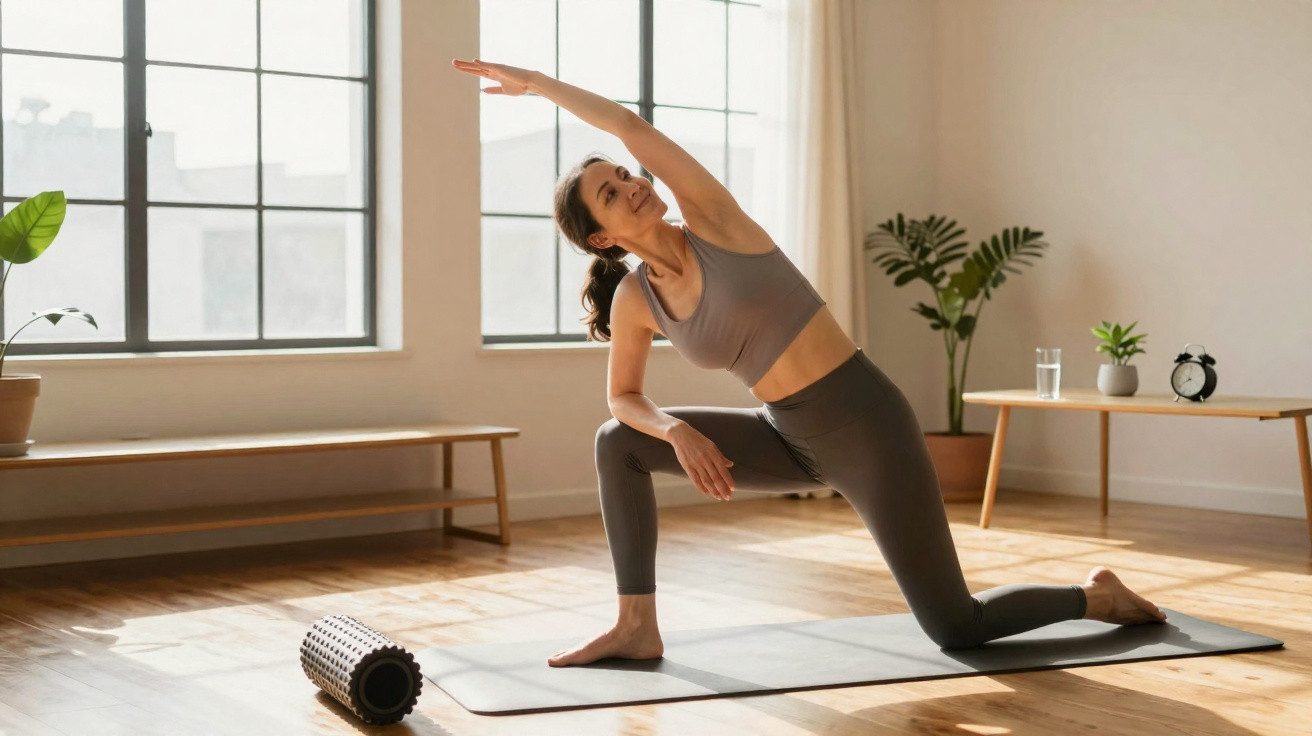
Waking up with a stiff body, or feeling locked up after spending hours sitting down, can seriously undermine day-to-day quality of life. Even so, adding gentle movement can markedly improve joint health and bring back the agility you need for everyday tasks-without suffering from incorrect stretching.
How can you reduce morning stiffness in a simple way?
Doing flexibility exercises regularly tackles muscle tightness head-on, especially in the first hours of the day. This routine helps release built-up tension, making basic actions-such as getting dressed or reaching for items-easier, without triggering discomfort or early muscular fatigue.
Straightforward activities using common household items make it easier to regain natural movement without needing complicated gym equipment. In this way, almost anyone can rebuild physical wellbeing through light, safe daily stimulation for their joints.
To achieve strong physical results and avoid unnecessary aches, adopt these specialist-recommended practices:
- Towel stretch: Place a towel across your shoulders and use it to gently draw your arms into a mild stretch.
- Chair rotation: Slowly rotate your torso while placing your hands on the backrest for support.
- Ankle extension: Straighten your legs and point your toes forwards.
- Posterior stretch: Lie on the floor and gently draw the calf area backwards.
- Hip opening: Bend your knees and carefully move one leg out to the side in a controlled way.
Which exercises help protect the joints?
The key aim of flexibility training is to restore range of motion without creating injury or unnecessary strain. Controlled movements help lubricate cartilage and lessen the friction caused by prolonged inactivity, supporting a much more healthy routine that is free from chronic tensions.
Keeping your breathing slow and steady during stretches increases muscle-fibre relaxation and helps prevent sharp, painful twinges. With proper oxygenation, tissues lengthen gradually, providing a solid base for ongoing improvements in posture and dynamic balance.
For a detailed look at the correct technique for each practical movement, watch the content published on the National Institute on Aging YouTube channel:
Why is ankle mobility fundamental?
Looking after flexibility in the lower body is vital for steady, secure steps during everyday walks. Strengthening and stretching the ankles significantly lowers the risk of dangerous falls, and also supports the routine task of going up and down steps with full autonomy.
Safety tip
Pay attention to your body’s limits
The ideal stretch should create only a light muscular tension-never pain. If you feel any sharp discomfort, stop immediately and return to the starting position.
People who have had recent surgery on the spine or joints should speak to a doctor before starting these activities at home.
Stretching both legs at the same time can save time, but doing the movements one side at a time targets tight muscles more effectively. This approach helps you spot which side feels more stiff, so you can apply the right intensity to correct small body asymmetries with full control.
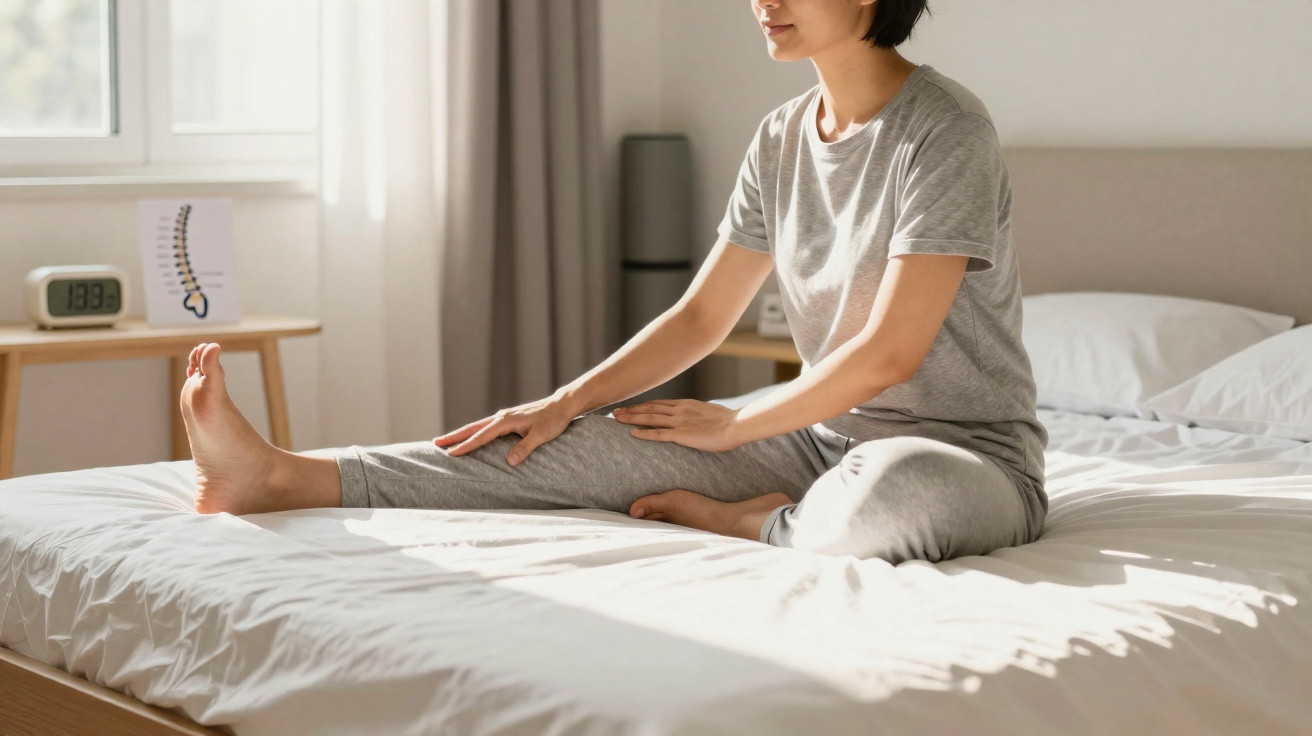
To work the ankles properly, follow this simple step-by-step routine on a chair:
- Sit on the edge of a sturdy chair and lean your torso slightly back.
- Straighten your legs while keeping your abdominal muscles firmly engaged for support.
- Point your toes fully forwards, then bring them back up.
How do you stretch your back and legs correctly?
Gently working the lower back helps reduce the load that a sedentary routine places on the spine. Sitting with good alignment and doing small seated torso twists encourages the vertebrae to move more freely, lowering the risk of severe blocks or persistent pain.
Lying on the floor and stretching the muscles at the back of the legs-known as the hamstrings-also plays a major role in preserving hip flexibility. This care makes everyday tasks easier, such as picking up items from the floor or playing with family without physical limitations.
To stretch your leg muscles safely while lying on the floor, follow these steps:
- Keep one leg bent with the sole of the foot fully on the floor.
- Lift the other leg straight up, gently holding behind the calf.
- Breathe in deeply through your nose and exhale through your mouth to relax the muscles.
How can you maintain flexibility at any age?
Building healthy habits helps keep joints active, regardless of your age. Performing these movements frequently trains muscle fibres to cope better with everyday demands, supporting active, healthy ageing and excellent capacity for independent movement.
Sharing physical activity with a partner can make the process far more enjoyable and motivating. On top of that, committing to quick daily sessions helps combat chronic sedentary behaviour-so short daily workouts are strongly recommended to maintain vitality and vigour.
Comments
No comments yet. Be the first to comment!
Leave a Comment