
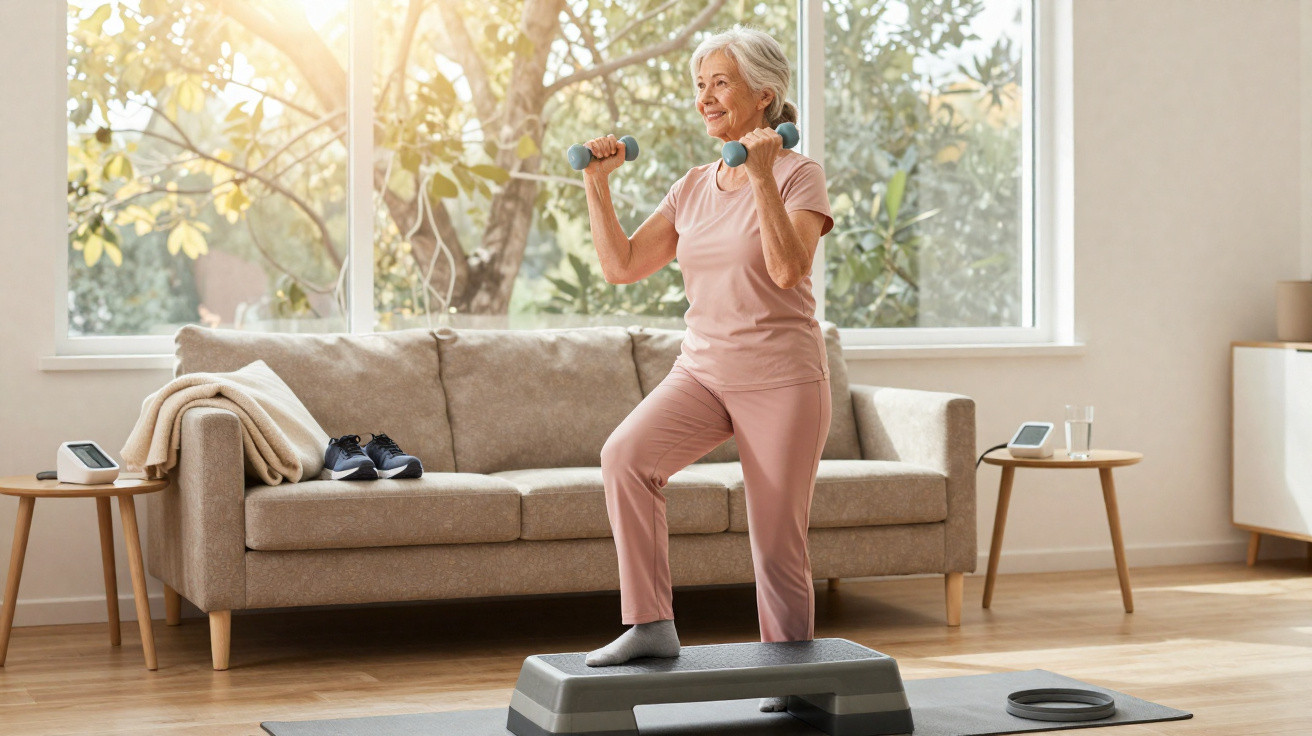
Keeping your body moving after the age of 70 is no longer seen as an added effort and is now widely treated as an essential part of looking after your health. Doctors and fitness professionals highlight that regular physical activity in later life supports independence, mobility and fall prevention. Recent studies indicate that even if you begin later, you can still achieve meaningful improvements in energy, autonomy and overall wellbeing.
Why is physical activity so important for older adults?
From around 70 onwards, it is common to experience muscle loss, reduced flexibility and increased stiffness in the joints. Moving regularly helps slow these changes, making it easier to maintain strength, balance and coordination for everyday tasks.
Older adults who stay active are more likely to have a lower risk of cardiovascular disease, type 2 diabetes and mobility limitations. Controlled movement can also support better sleep, help regulate blood pressure and maintain bone density, increasing confidence and safety when walking and getting around.
Watch a video on the YouTube channel Mind Health about why it matters to keep the body moving in later life, with light exercises that protect balance and independence:
https://www.youtube.com/watch?v=N3b8K2m_L4o
Which exercises are most suitable in later life?
When choosing activities, the priority should be low impact, comfort and safety, always tailored to each person’s condition. Gentle walks, water aerobics, swimming, Pilates, stretching and adapted yoga are options that are kinder to the joints and can help circulation.
To keep a plan simple and well balanced, many professionals recommend combining different types of exercise and rotating them across the week to reduce boredom and avoid overloading the same areas.
- Light aerobic exercise: walking, a stationary bike at low resistance, or swimming at a comfortable pace;
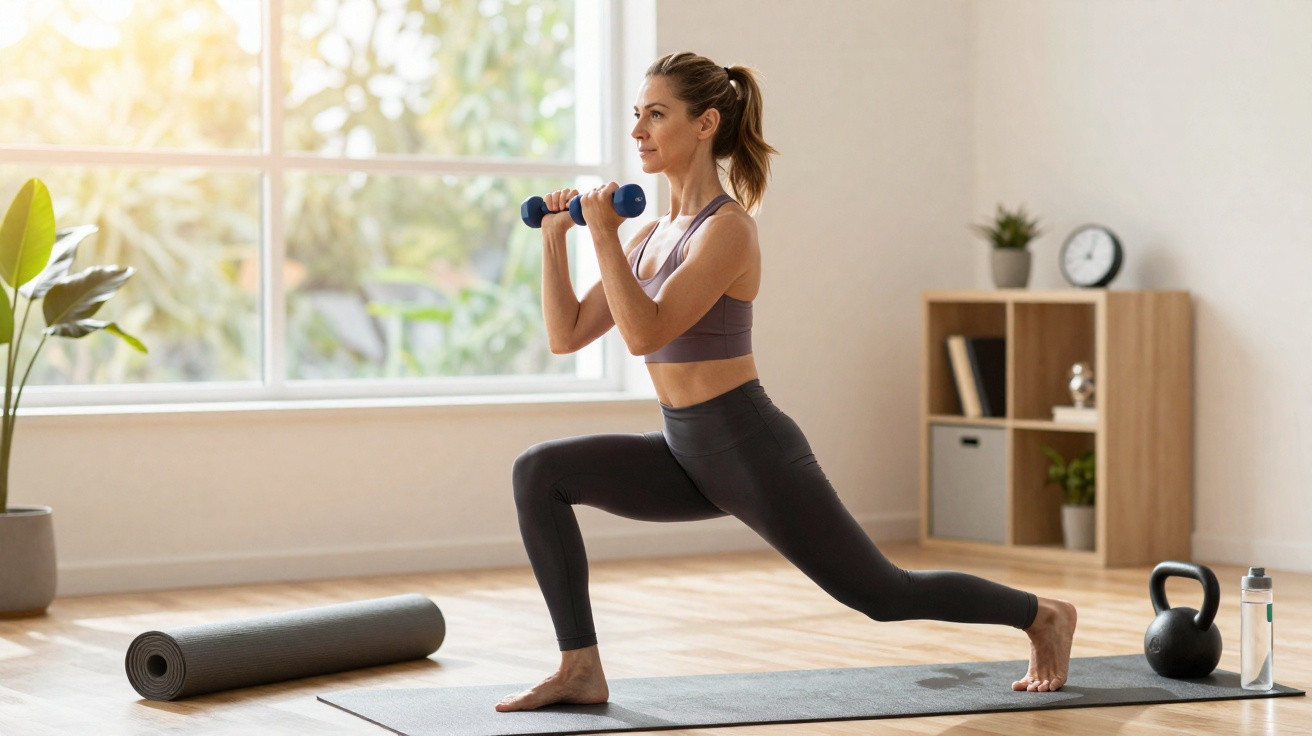
- Muscle strengthening: resistance bands, light weights or bodyweight exercises, with careful attention to any limitations;
- Balance and flexibility: supported static positions, stretching and joint mobility movements.
How can you build a safe exercise routine at home?
Not every older person can access gyms or clubs, which is why home-based exercise has become an important option. With a sturdy chair, a clear area free from slippery rugs and suitable footwear, it is possible to begin short, practical sequences lasting just a few minutes a day.
When exercising at home, it is worth focusing on movements that reflect daily activities, such as standing up from a chair, reaching for items and walking short distances. This approach prepares the body for real-life situations and helps lower the risk of falls.
What precautions are essential when exercising after 70?
Before starting any routine, doctors often advise a clinical assessment-especially for those with a history of heart conditions, osteoporosis, high blood pressure or recent surgery. This helps establish safe effort limits, necessary adjustments and guidance on warning signs during exercise.
While exercising, it is important to work at your own pace, avoid comparing yourself with others and steer clear of sudden jumps in intensity. Staying hydrated, wearing comfortable clothing, doing a gentle warm-up and paying attention to symptoms such as dizziness, sharp pain or severe shortness of breath are straightforward steps that make activity safer and easier to maintain over the years.



Comments
No comments yet. Be the first to comment!
Leave a Comment