
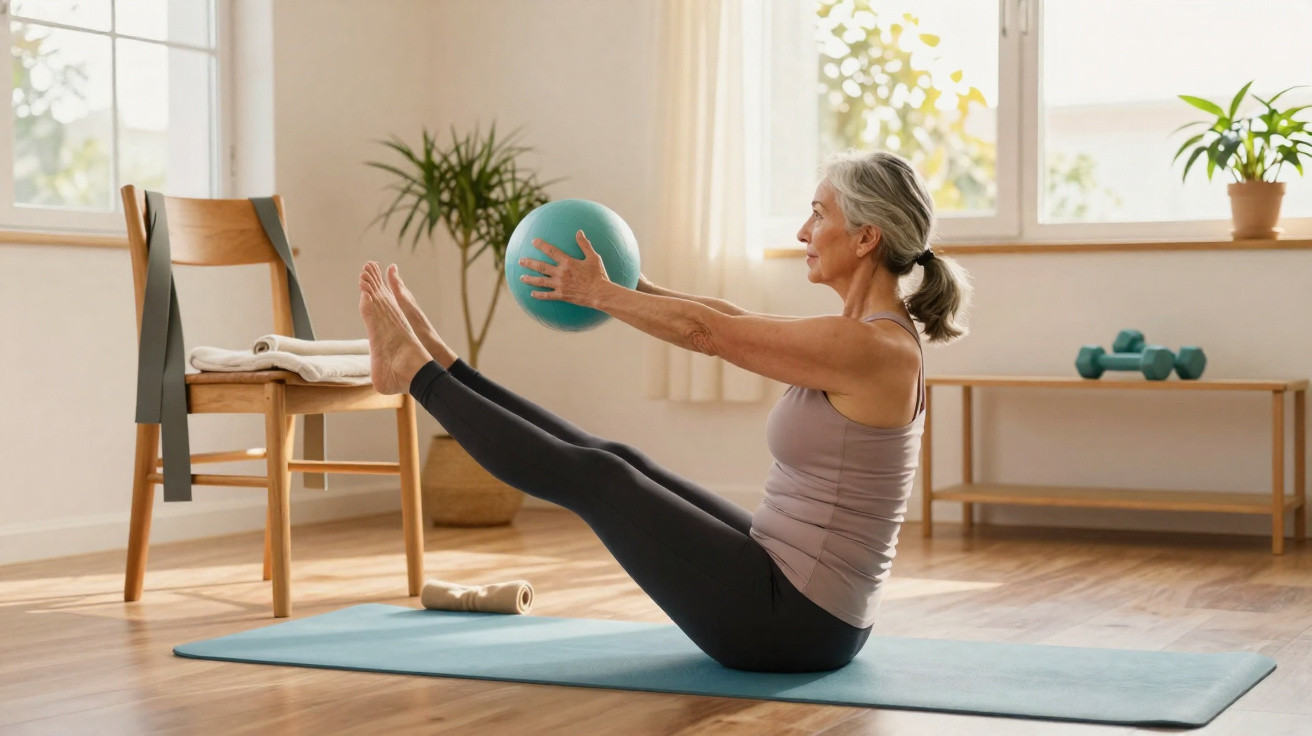
Strengthening the core in older adults has become increasingly recognised in recent years as one of the most effective ways to protect independence and day-to-day function later in life. Research in physiology and sports medicine indicates that the body’s central region is closely linked to posture, balance and the ability to manage simple everyday tasks without constant support, helping to prevent pain and sustain autonomy.
What is the core and why is it important for older adults?
The core refers to the muscles around the trunk, including the rectus abdominis, transversus abdominis, obliques, diaphragm, pelvic floor and parts of the back muscles. Together, they work like a supportive “belt”, stabilising the spine and pelvis during nearly all everyday movement.
This muscle group is involved in actions such as turning over in bed, sitting down and standing up, keeping the head aligned while standing, and breathing efficiently. In older adults, reduced strength in this area is associated with a stooped posture, shorter steps when walking, greater effort for basic tasks and a higher likelihood of losing balance.
Watch a video on the Mind Health YouTube channel about why strengthening the core and back muscles can help ease pain and protect the spine from injury:
https://www.youtube.com/watch?v=N3b8K2m_L4o
What benefits does core strengthening bring for posture and mobility?
A stable trunk is linked with less lower-back pain, improved body alignment and greater confidence when walking. Stabilising the pelvis and spine during movement supports firmer steps, better weight distribution and reduced stress on the joints.
In practical terms, this leads to meaningful functional improvements, allowing older adults to move with greater assurance. Health professionals commonly observe the following benefits:
- Better posture: helps reduce pronounced spinal curvature.
- More stable balance: supports quicker recovery after trips or slips.
- Less chronic pain: reduces strain on joints and spinal discs.
- Greater independence: getting dressed, cooking and cleaning the home requires less effort.
How can older adults strengthen the core safely?
Core exercises do not necessarily require gym equipment and can be done at home using simple, controlled movements. The key is to work within individual limits, focus on correct technique and keep consistent practice, even if sessions are brief and spread throughout the day.
Several approaches are often well tolerated by older adults and can be adjusted to suit different fitness levels:
- Diaphragmatic breathing: breathe in through the nose, letting the abdomen expand, then breathe out while engaging the central muscles.
- Sit-to-stand with alignment: feet firmly planted, torso slightly forward and the abdominal muscles switched on.
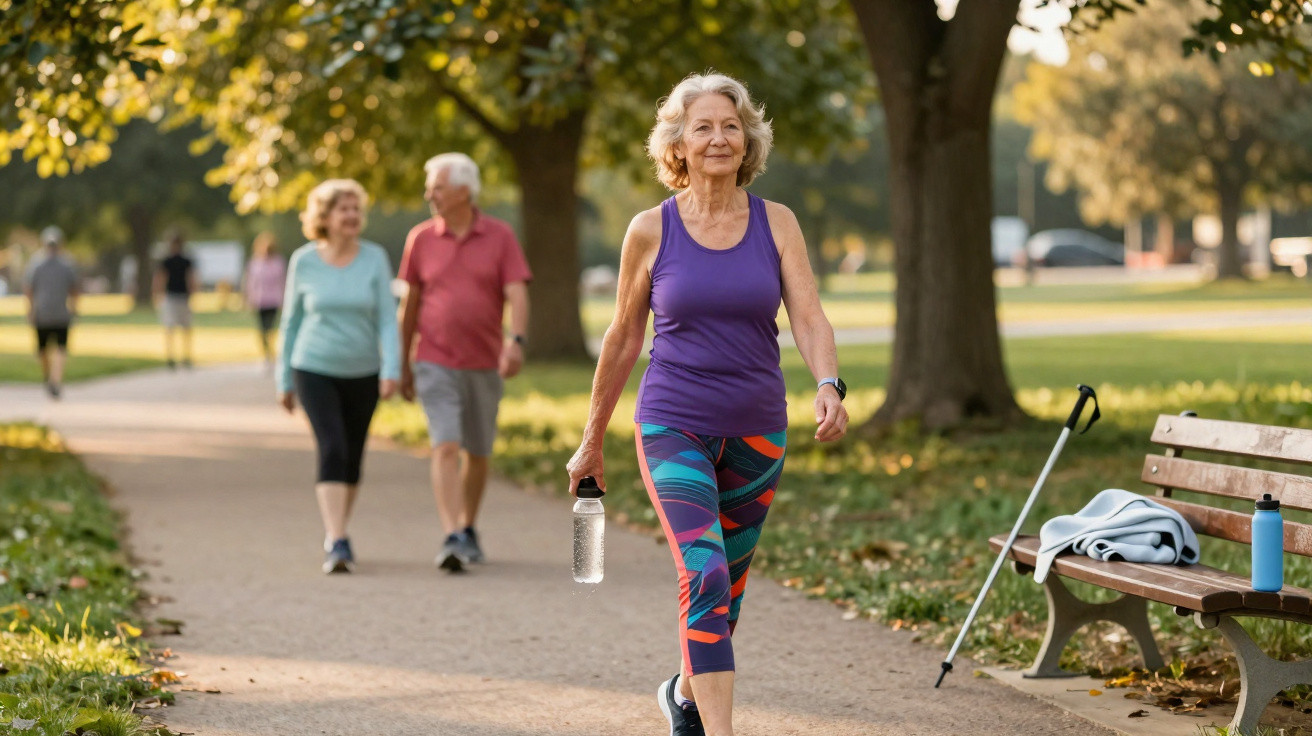
- Regular walks: at a comfortable pace, paying attention to posture and natural arm swing.
- Balance exercises: stand on one foot while holding a sturdy piece of furniture for safety.
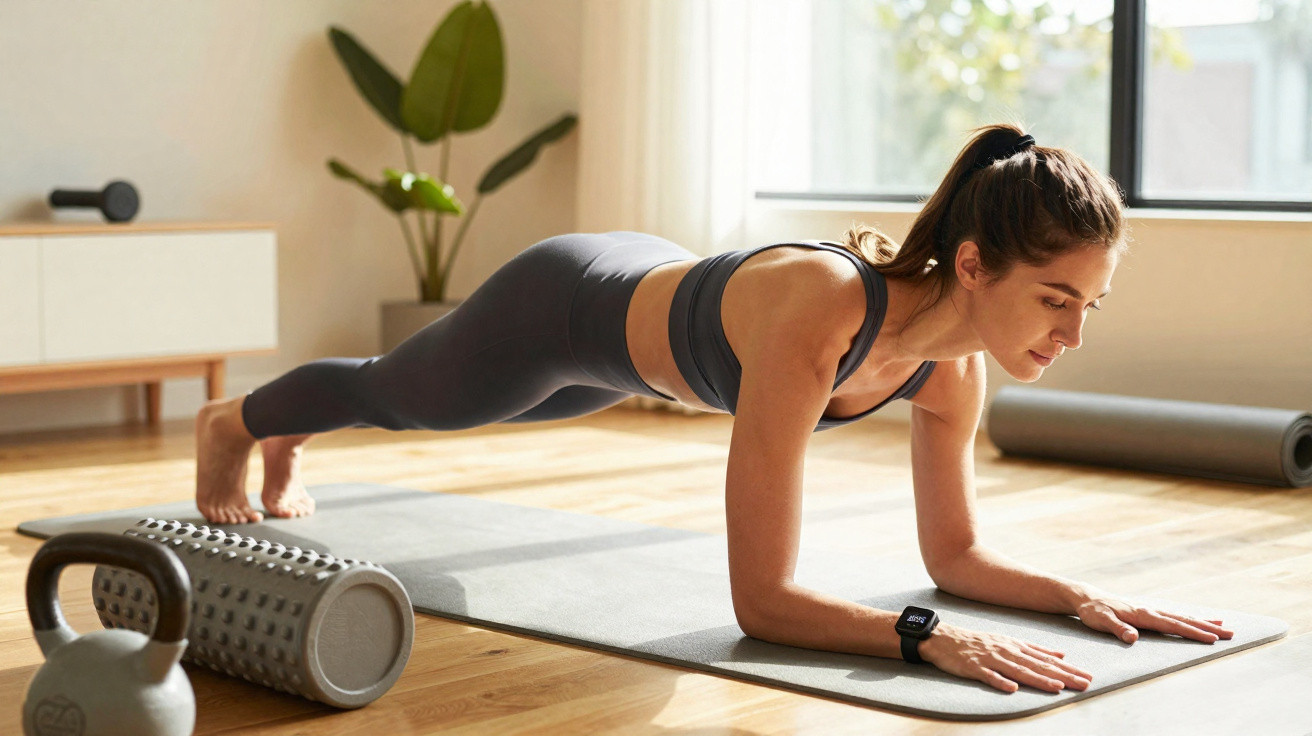
- Adapted planks: performed on the knees or against a wall to reduce load on the spine.
How does core strengthening help prevent falls and support more independent ageing?
Falls are among the leading causes of injury in people over 60, and a stronger core improves the body’s response to uneven surfaces, stairs and sudden changes in direction. Programmes that combine trunk strengthening with balance work and lower-limb training show a reduction in the number of falls among older adults followed in rehabilitation centres.
Alongside habits such as a balanced diet, adequate sleep and medical follow-up, looking after the central muscles helps protect the spine, walk more safely and maintain the ability to complete everyday tasks without assistance. With people living longer than ever, making core work part of a routine becomes a simple, practical tool to support ageing that is more active, functional and independent.
Comments
No comments yet. Be the first to comment!
Leave a Comment