
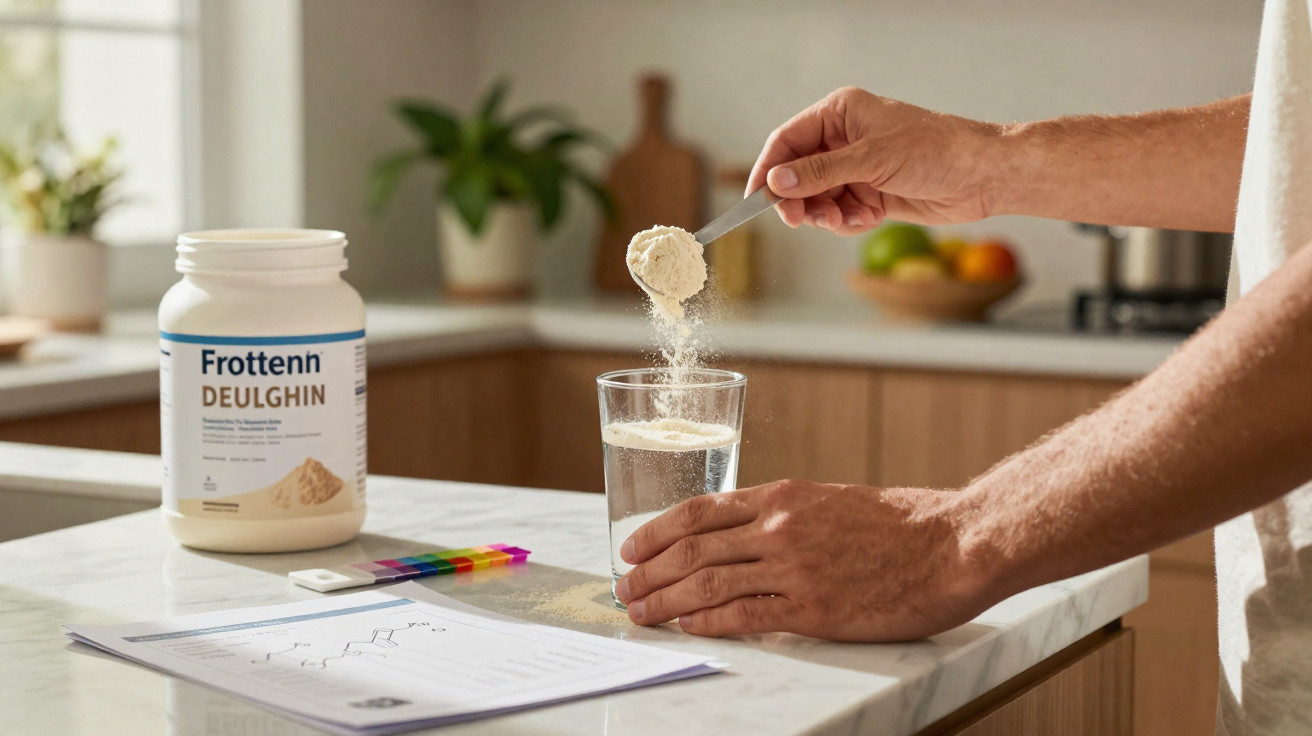
Sales of protein powders and ready-to-drink protein products have surged, topping US$32 billion worldwide between 2024 and 2025. More and more people are now relying on these protein sources as part of their everyday routine.
A study from Consumer Reports, released on 14 October, 2025, says that certain protein products contain worryingly high amounts of lead, alongside other heavy metals including cadmium and arsenic. At elevated exposures, these contaminants carry serious and well-established health dangers.
I am a clinical pharmacologist, and I have previously assessed heavy metal levels in baby foods, calcium supplements and kratom products. Because lead and other heavy metals are naturally found in soil and water, eliminating exposure entirely is not realistic.
It is also worth noting that Consumer Reports uses a lead “safe” threshold that is far lower than the limits applied by the Food and Drug Administration (FDA).
Even so, whichever cut-off you favour, the findings indicate that a small number of products are providing an uncomfortably high dose of heavy metals in a single serving.
How Consumer Reports did the study
For the investigation, the study evaluated 23 protein powders and ready-to-drink protein products from well-known brands. For each product, Consumer Reports sent three samples to an independent commercial laboratory for testing.
Consumer Reports treated any product delivering more than 0.5 micrograms per day of lead from a single source as exceeding its recommended maximum. This figure comes from the California Office of Environmental Health Hazard Assessment, which set recommended maximum levels for various substances that could cause cancer or fetal harm.
This approach is much more cautious than the lead exposure standard the FDA applies to medicines and supplements. The gap reflects Consumer Reports’ aim of keeping exposure extremely low, compared with the FDA’s more practical, enforceable requirements.
Under FDA guidance, the maximum amount of lead a person should take in from any single dietary supplement product is 5 micrograms per day - 10 times higher than the Consumer Reports figure.
The FDA also sets a separate benchmark for total daily lead exposure from all sources combined (food, drugs and supplements). This measure is known as the Interim Reference Level, or IRL, for lead, and it is based on blood lead concentrations linked to harmful health effects in different groups.
For people who could become pregnant, the IRL is 8.8 micrograms per day. For children, it is 2.2 micrograms per day. For everyone else, it is 12.5 micrograms per day.
Any food, medicine or dietary supplement that contains lead adds to overall daily exposure, which should remain below the relevant IRL.
What the report found
The non-profit consumer advocacy organisation reported that 16 of the 23 products tested were above 0.5 micrograms of lead per standard serving - the level the organisation considers acceptable.
Four of the 23 products were above 2.2 micrograms, which is the FDA’s limit for the total amount of lead children should consume in a day. Two products delivered 72% and 88%, respectively, of the FDA’s total daily lead amount considered safe for pregnant women.
Beyond lead, Consumer Reports also found that two of the 23 products provided more cadmium per serving than it regards as safe, and one product exceeded its recommended amount for arsenic.
Consumer Reports uses a safety cut-off of 4.1 micrograms per day for cadmium and 7 micrograms per day for arsenic. These figures are broadly similar to the FDA’s recommended exposure limits from a single product: for cadmium, the FDA limit is 5 micrograms per day for a specific dietary supplement product; for arsenic, it is 15 micrograms per day.
The study also suggested the protein source mattered. Plant-derived protein products contained nine times the lead measured in dairy-based proteins such as whey, and twice as much as beef-based protein.
Where are these heavy metals coming from?
Lead and other heavy metals occur in particularly high concentrations in volcanic rock, which forms from molten rock (magma) beneath the Earth’s surface. As volcanic rock breaks down over time, heavy metals can enter surrounding soil and local water sources.
In addition, certain crops are especially good at pulling heavy metals out of soil and moving them into the parts of the plant that people eat.
Fossil fuels - sourced from deep underground - can also release heavy metals into the air when burned. Those particles can later settle onto land and into water. On top of that, some fertilisers, herbicides and pesticides contain heavy metals, further adding to contamination in soil and local water.
Elevated heavy metals have been identified in plant-based protein powder, spices such as cinnamon, dark chocolate, root vegetables including carrots and sweet potatoes, rice, legumes such as pea pods, and many herbal supplements.
Should consumers be concerned? And what can they do?
Going over the recommended daily doses of heavy metals from time to time is unlikely to cause major health problems.
However, frequent and substantial exposure can be damaging. As heavy metals build up in the bloodstream, they may slow or disrupt mental function, injure nerves, weaken bones and increase blood pressure - raising the risk of strokes and heart attacks. Heavy metals can also heighten the risk of cancer.
It is important to recognise that every product flagged by Consumer Reports still contained lead levels well below the FDA’s maximum daily exposure limits.
To reduce exposure, consumers may opt for dairy-based or animal-based protein products, which generally appear to carry less heavy metal contamination than plant-based options.
That said, some plant-based protein products in the study were not high in heavy metals. Because environmental heavy metal levels vary substantially, the Consumer Reports results represent only a snapshot.
They may not remain consistent from batch to batch - for instance, if a manufacturer changes where it sources raw ingredients.
Where a protein product does show particularly high heavy metal content, using it less frequently rather than every day can lower exposure. Research indicates that organic plant-based products often contain less heavy metal contamination than conventionally farmed equivalents.
Finally, as Consumer Reports measured heavy metals per single serving, it is useful to check what a “serving” means for a particular product and to avoid sharply increasing how much you consume each day.
Taken together, the wide spread in lead levels across protein powders and ready-made protein products points to a need for manufacturers to strengthen product testing and improve good manufacturing practices.
C. Michael White, Distinguished Professor of Pharmacy Practice, University of Connecticut
This article is republished from The Conversation under a Creative Commons licence. Read the original article.






Comments
No comments yet. Be the first to comment!
Leave a Comment