
I came of age in the “low-fat equals virtue” years - the period when we smeared margarine that tasted like polite sadness and bought yoghurts that swore they’d make us slimmer, only to find ourselves elbow-deep in the cereal box at 10pm. Most afternoons my head felt stuffed with cotton wool, as if a slow tide was pulling me away from sensible decisions.
One winter, on a deadline and nursing a headache tucked behind my right eye, I roasted vegetables with walnuts and refused to be stingy with the oil. I ate it straight from the tray while it was still scorching, rosemary snapping and spitting, the kitchen smelling like the toasted corners of Sunday. And then something unusual happened: an hour later, hunger didn’t come charging back. A switch flipped. I needed to understand which rule I’d spent years obeying that was simply wrong.
The day I stopped fearing the drizzle
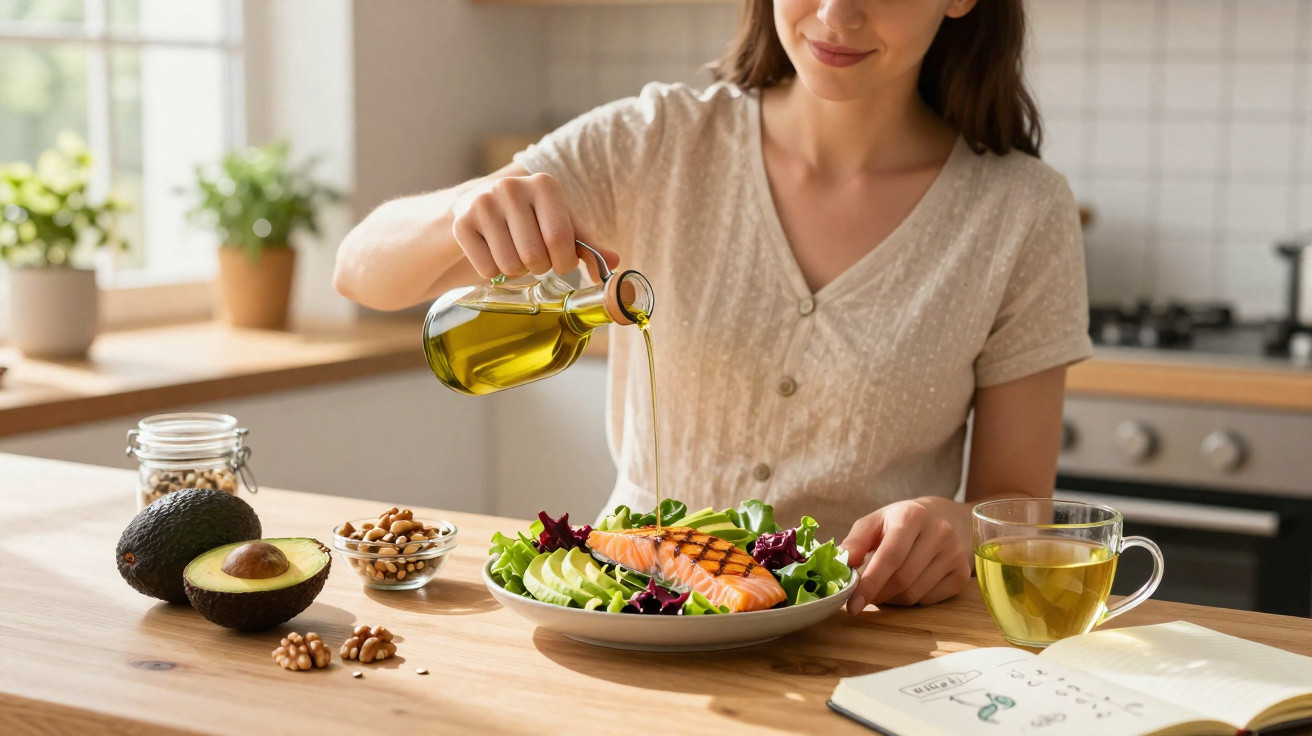
There’s a particular sound from a hot pan that carries more meaning than it should. Pour in a proper glug of olive oil, let the garlic slacken and soften, and the aroma wraps round you like a scarf.
For ages my approach was “just use a teaspoon” - that tiny act of restraint that turns making dinner into bookkeeping. The moment I let myself be more generous, I stopped padding about the kitchen later looking for biscuits. It hit me that feeling full isn’t about how much space food takes up; it’s about the messages your body receives.
Most of us know the pattern: a “light” lunch, and then a rebound that ends in a serious snack raid. Fat slows digestion, keeping food in the stomach long enough for those hormones - cholecystokinin and friends - to murmur “we’re done here” to your brain. The mouthfeel changes as well: more silky than dusty, more satisfying than worthy. That sensory element counts. When food feels finished, it’s easier to stop.
In my day-to-day, it meant fewer internal debates. I wasn’t rationing almonds like contraband. I ate, I felt done, and I got on with my life without the constant thrum of cravings. That quiet, steady satiety doesn’t get enough credit - and it makes everything else feel more manageable.
What your body actually does with fat
Satiety, blood sugar, and that calm you forgot you could feel
If a meal turns up as mostly fast carbs, your blood sugar shoots up like a cheap plot twist and your body sends insulin in to mop up the mess. That clean-up can overshoot, and you experience the aftermath as a wobble - jittery, hungry, scattered.
Include a decent amount of healthy fat alongside protein, and the climb is slower and the drop less harsh. Instead of bouncing between ravenous and regretful, you stay on steadier ground.
Under the surface, a whole system is doing its work. Fat helps prompt satiety hormones that tell your brain there’s enough fuel available, and it also supports the absorption of vitamins A, D, E and K - the quiet crew keeping skin calmer, bones sturdier, and eyes sharper. This isn’t an invitation to drown your plate; it’s a reminder that macros aren’t morals, and that the right balance changes how you feel after you eat.
That calmer feeling shows up around the edges of the day: fewer missions for snacks, fewer “oh I’ll just have toast again” loops, fewer 4pm brain collapses. The impact on weight isn’t magic; it’s maths that feels kinder. You end up eating a bit less because you finally feel genuinely content.
Your brain runs on fat, not wishes
On a bleak, rainy Tuesday, I noticed something I hadn’t expected. After a few weeks of leaning into oily fish, tahini, and a confident pour of extra-virgin olive oil, my afternoon writing stopped feeling like trudging through porridge. Sentences came more cleanly. The fog thinned out around the same time I traded low-fat yoghurt for full-fat and put sardines back in the rotation. It was so ordinary I nearly missed it.
Your brain is largely fat, so it helps to give it what it’s made from. The insulating sheaths around neurons are built with fatty acids, and omega-3s - particularly DHA - fit into those membranes like well-cut tiles. This is about flexibility and signal speed: the difference between a stuttering connection and a smooth one. People label it mental clarity; sometimes it’s simply cells getting the materials they need.
There’s a mood angle as well. You can insist productivity is all grit, but anyone who has tried to concentrate on lettuce shavings knows chemistry gets a vote. I began to feel less… scratchy. Less brittle when small things went wrong. When your brain feels properly fed, it creates less drama and does more doing - which makes everything else, from exercise to sleep to patience, more likely.
Good fats, not guesswork
In reality, nobody nails this perfectly every day. Most of us are managing children, commutes, and whatever chaos the week delivers, and we end up choosing on autopilot. That’s why it helps to settle on a short list of fats you trust and keep them close.
Think extra-virgin olive oil, a tub of natural peanut or almond butter, a jar of tahini, a bag of walnuts or mixed seeds, a couple of tins of mackerel or sardines, and avocados when they’re actually decent. None of this requires cheffy skill; it just drops into normal meals.
Olive oil is great for both roasting and dressing, and that peppery scent when you crack open a fresh bottle is a sign it’s alive. Rapeseed oil (cold-pressed) is a solid option for higher heat. Oily fish delivers the DHA your brain loves without turning supplements into a job. Nuts and seeds add crunch and plant omega-3s, and they make salads feel like real meals rather than apologies. You don’t need all of them all the time; cycling a couple of favourites can change the texture of your days.
The fats to keep on a shorter leash are the ones that arrive pre-built inside foods you didn’t make. Pastry that flakes like sorcery because it’s essentially fat and flour, doughnuts that call your name from the office kitchen, crisps that disappear like a magic trick. They’re designed to vanish quickly and leave you wanting more. The fats you add at home tend to behave differently: they linger just long enough to tell your body it can stop.
Why eating fat can help you lose weight
Here’s the sentence I wish I’d heard earlier: Fat doesn’t make you fat - the wrong mix does. Weight gain thrives on disorder: unpredictable meals, snack avalanches, blood sugar pinball, stress that steers you towards beige.
When meals are built around vegetables, protein, and a confident amount of healthy fat, the noise drops. Hunger turns up in more predictable waves, and you can answer it before you crash into a packet of something crunchy and clever.
People get spooked by energy density, but satiety tends to win over time. A lunch that keeps you full for four hours beats a light one that has you at the fridge twice. Across a week, that gap adds up. You’re not eating less through willpower theatre; you’re eating less because your body finally believes you. It stops being you versus your appetite.
I clocked it first at breakfast. Yoghurt with berries plus a spoon of tahini meant I didn’t join the 11am snack queue. Later I noticed it with dinner. Chicken thighs roasted with lemon and olive oil alongside a tray of aubergines meant I wasn’t prowling for bread afterwards. The weight change was slow and unflashy - the sort you only register when your jeans stop starting arguments.
Little experiments that changed the maths
Small swaps, steady wins
For a month, I did a mild audit - no spreadsheets, no obsession. I deliberately added fat and paid attention. A handful of walnuts stirred into porridge. Salmon once or twice a week. Olive oil that properly glistened on salad leaves instead of a polite mist. At the beginning it felt slightly wrong. Then it felt normal. Then it felt painfully obvious.
The first benefit was fewer snacks. Not none - just fewer. I didn’t start carrying nuts in my bag because I’m not a fitness blogger, but I did keep tinned fish at work and decent bread so a miserable lunch could be rescued quickly. I stopped kidding myself that caffeine alone would drag me through the afternoon. Work became less dramatic and more steady.
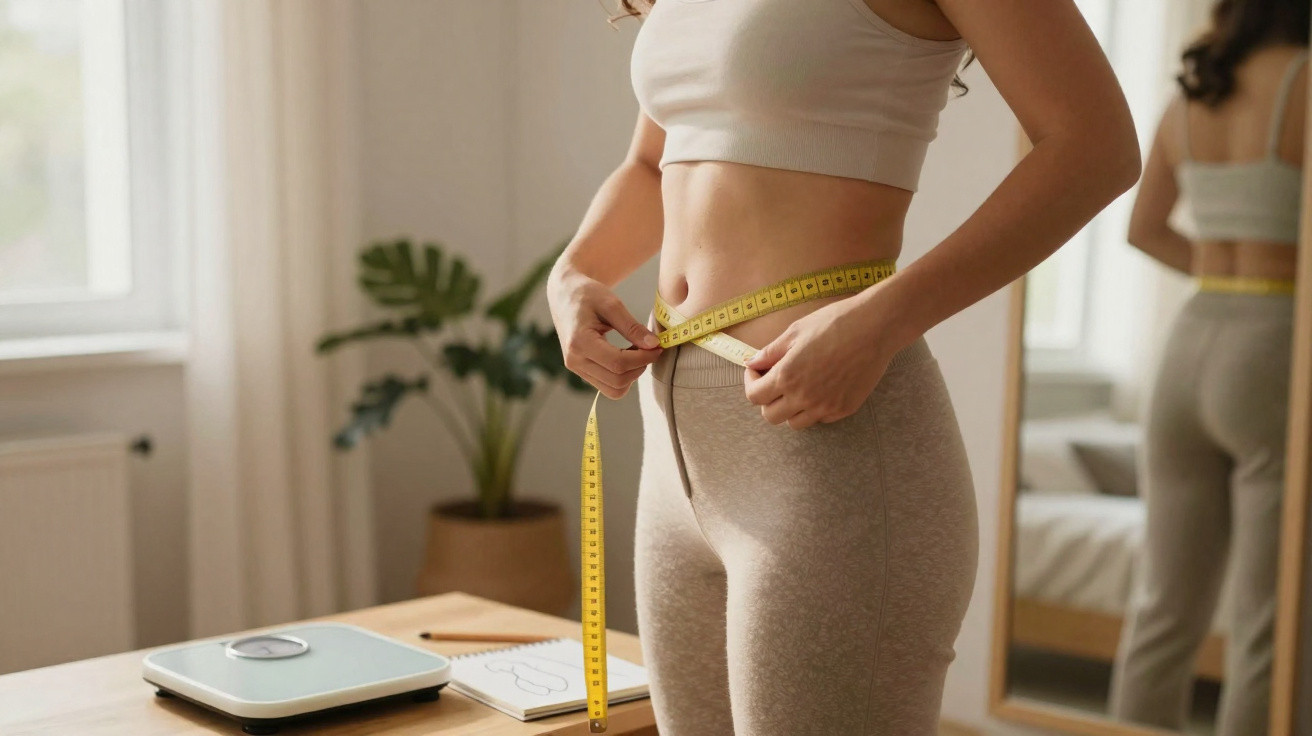
I didn’t measure anything except my belt. After six weeks, the notch moved. Sleep improved quietly. Mornings had less drag. On the days I ate enough fat, meals blurred into one another without that siren call for sugar in between. The win wasn’t only the scales; it was the end of the constant internal negotiation.
What about calories and “too much” fat?
I can already hear the sensible objections. Yes, calories matter, and yes, you can absolutely go too far with roasted cashews when the programme is good and the bowl never seems to empty. The answer isn’t to fear fat; it’s to place it where it earns its keep.
Combine it with fibre and protein and it behaves like a slow-release fuse. Tip it onto an already rich meal and it’s just extra. Context is everything.
A simple rule that worked for me was this: use fat to make real food satisfying. A generous pour of olive oil over a heap of chopped tomatoes, cucumber, and herbs. A proper dollop of hummus with crunchy veg and chicken. Full-fat yoghurt with fruit and seeds. These feel like meals, not garnish. They taste like someone cooked for you, even if that someone was you, rushing.
Food culture adores extremes. All-or-nothing tales get clicks, but bodies prefer rhythm. Eat proper meals, let them include fat that carries flavour and slows you down, and watch the snacking chatter fade. It’s not a cleanse; it’s learning where your own dials sit and nudging them a notch.
The headspace nobody talks about
When you stop battling hunger, a kind of relief arrives without fanfare. It’s quiet, almost bashful. On days I eat this way, my brain doesn’t run a constant commentary about the biscuits in the cupboard.
The attention that’s freed up goes back into actual living: work that needs your best sentences, conversations that deserve your whole face, and the sort of walk where you notice cold air threading up your sleeves and leaves making a papery sound under your shoes.
That headspace is partly chemistry and partly trust. When you give your brain the fats it’s been asking for, mood evens out at the base layer. You’re less likely to chase dopamine down the snack aisle because you don’t need rescuing. The whole thing becomes pleasantly boring - and that’s often where change hides.
There’s also joy in food that isn’t pretending. Olive oil that bites peppery at the back of the throat. Salmon that flakes under a fork. A thick smear of peanut butter melting into hot toast, bringing weight, smell, and satisfaction. Those small sensory anchors make “healthy” feel like life, not restriction.
How to start without turning it into a project
Start with the next meal, not a new identity. Drizzle, don’t dab. Put a real portion of healthy fat on the plate you were already planning to eat. Pay attention to how long hunger stays quiet. Watch what happens to your brain at 3pm when the kettle goes on. Don’t fix everything; fix the next thing.
If you prefer a rule, try this gentle one: Satiety is your secret weapon. Build each meal so you could walk past a tray of brownies without launching into a moral debate. If that means another spoon of olive oil or a few extra slices of avocado, take them. The goal isn’t righteousness; it’s results you can feel tomorrow.
Give it a fortnight. Keep a scrappy note on your phone about what kept you full and what didn’t. Patterns show up faster than you’d think. The changes will feel almost suspiciously ordinary: fewer snacks, clearer afternoons, a belt that argues less. Ordinary is the point. Ordinary sticks.
The quiet rebrand of “healthy”
No one at the table needs a lecture on omega-3s. What they’ll notice is that dinner tastes good and nobody raids the freezer thirty minutes later. That’s the rebrand: healthy as a meal that ends the conversation rather than starting a fight with yourself. When food leaves you settled, you can get on with being a person.
I look back on the low-fat years with fondness and a small shudder. We followed the guidance. We bought the light versions and couldn’t work out why cravings multiplied. Eventually we learnt that fullness is information, not a character flaw, and that fats can deliver that message clearly.
The body responds well to being trusted. Offer it protein, plants, and fats that actually taste of something, and it will answer with steadier hunger and a brain that turns up when called. No heroics - just better building blocks. Feed the brain, and the body follows.




Comments
No comments yet. Be the first to comment!
Leave a Comment