

Moderate walking has increasingly been recognised as one of the most suitable activities for people over 60. Without needing a gym, running, or expensive kit, it supports independence, energy, balance, and cardiovascular health while putting minimal strain on the joints.
The simple exercise that fits into your routine
After 60, many people want to stay active without placing extra stress on the knees, hips, and spine. In that context, walking stands out as an affordable option that’s easy to tailor to each person’s pace and ability.
Its biggest advantage is consistency. Walking for a few minutes each day at a moderate intensity is often easier to sustain than trying to keep up very demanding workouts or runs that cause discomfort.
- Low impact: keeps the body moving without jumps or extreme effort.
- Heart: when done regularly, it helps improve stamina and circulation.
- Balance: strengthens the legs and can make walking feel steadier and safer.
- Independence: supports everyday tasks such as climbing stairs and doing the shopping.
In practice, the pace should allow conversation
Moderate walking doesn’t have to be very fast. A helpful guide to the right intensity is being able to talk while you walk, while noticing your breathing is a little quicker than usual.
If you’re just starting, 10 to 15 minutes can be enough. Over time, you can build up to 30 or 40 minutes, always taking tiredness, pain, and medical guidance into account.
The care that helps prevent injuries at the start
Before beginning a new exercise routine-particularly if you have high blood pressure, heart conditions, diabetes, or significant joint pain-it’s important to get professional advice.
Start slowly and build up gradually
Safety comes before distance
Choose comfortable trainers, a flat route, and times of day when the temperature is pleasant. Avoid strong sun and uneven pavements.
If you experience chest pain, dizziness, severe shortness of breath, or strong pain in the legs, stop and seek guidance.
Another straightforward safeguard is to walk more slowly for a few minutes at the beginning and end. This warm-up and cool-down help your body adjust to the effort more smoothly.
Walking also strengthens independence
With consistent practice, walking can make daily activities easier-such as crossing roads with more confidence, going up ramps, carrying light bags, and maintaining better energy throughout the day.
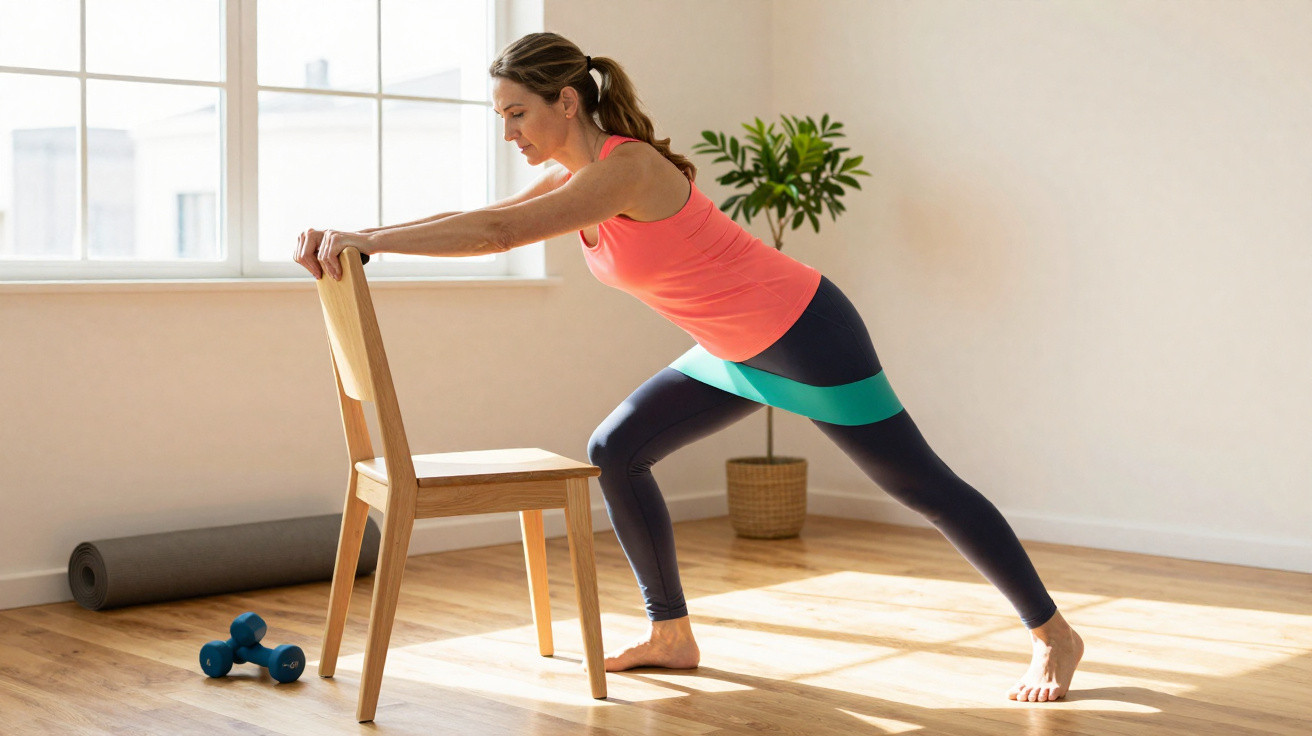
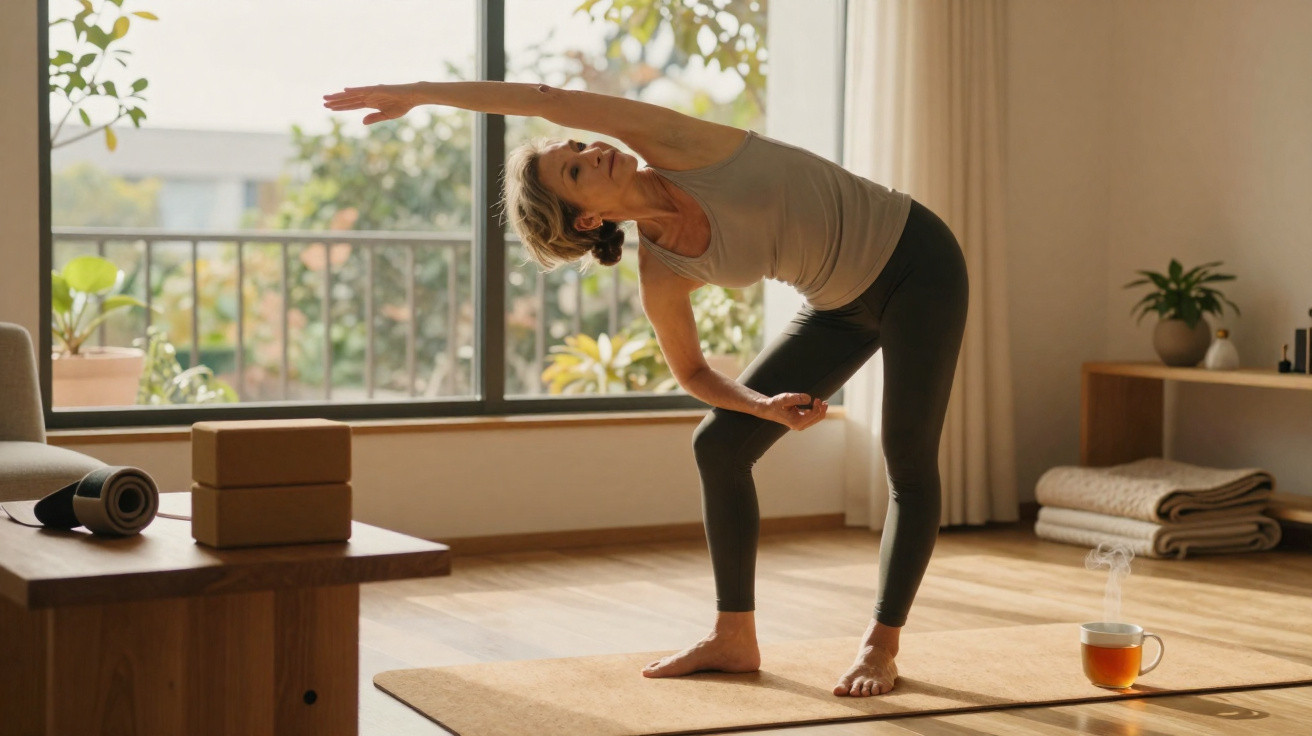
It can also be paired with stretching, gentle strength exercises, Pilates, aqua aerobics, or guided balance training. Combining activities like these offers better protection for muscles, joints, and posture.
More important than running is keeping going
For people over 60, the best exercise is usually the one you can stick with safely and enjoy. Moderate walking stands out because it’s straightforward, adaptable, and easy to repeat.
In the end, you don’t need to say goodbye to the gym or running forever-just recognise that your body may benefit greatly from a kinder form of activity. Walking well, regularly, and with care is already a meaningful step towards ageing with more independence.
If this tip could help someone over 60 move more safely, share it with anyone looking for an active routine without overdoing it.




Comments
No comments yet. Be the first to comment!
Leave a Comment