
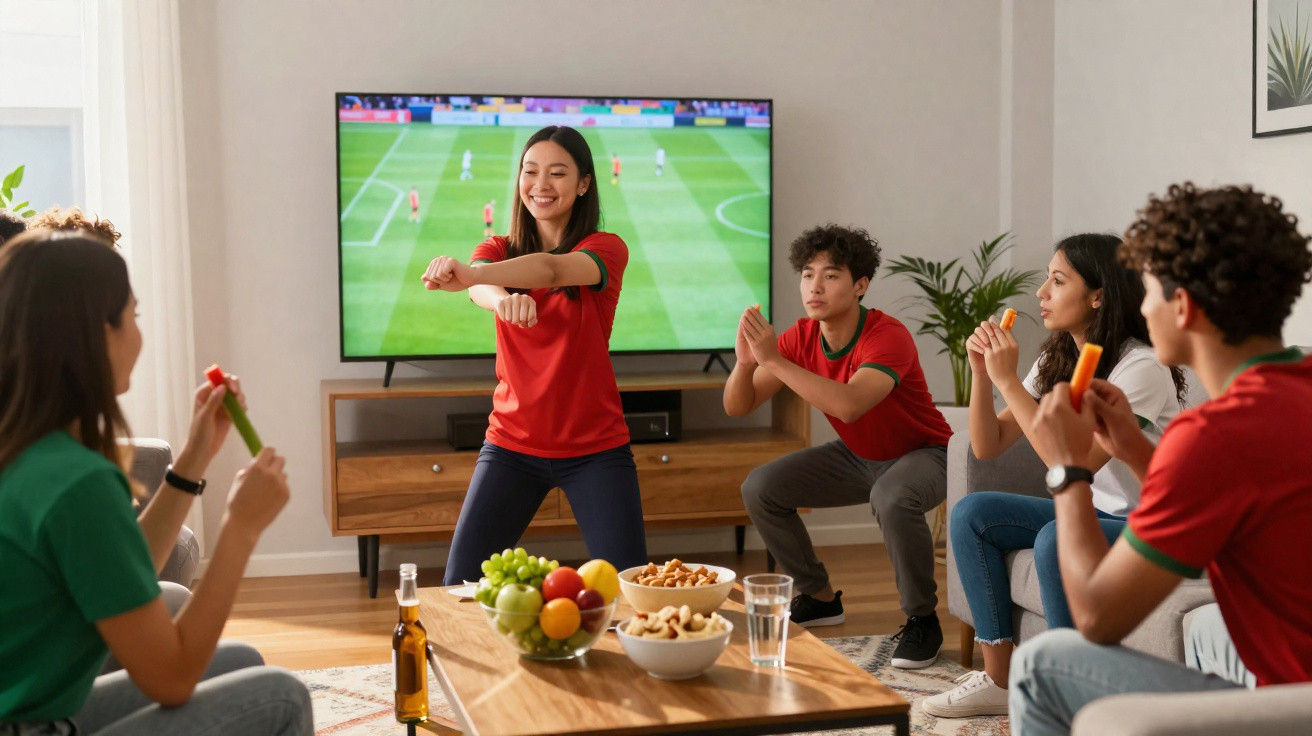
During the World Cup, plenty of supporters follow the matches with very little movement, lots of high-calorie snacks and frequent alcohol. In tournament periods and major competitions-when there are games almost every day-that mix can turn a leisure moment into a trigger for health-harming habits.
The issue is not limited to putting on weight. Extended spells of sedentary behaviour, combined with an unbalanced diet and heavy drinking, can raise the risk of worsening chronic conditions such as high blood pressure, diabetes, obesity, high cholesterol and other health problems.
“There’s an interesting contradiction: we’re watching athletes at peak physical performance while we stay completely still for hours. Football can also encourage us to remember how important physical activity is and how we look after our health,” says Pedro Araguez, Medical Director at Leve Saúde.
According to the doctor, small adjustments throughout the day already help reduce the effects of too much sitting. With that in mind, here are 5 tips for watching the matches without letting your health slip.
1. Use half-time to get moving
Getting up during the break, walking around the house, stretching your legs and back, or going up a few flights of stairs can stimulate circulation and lessen the impact of sitting for long periods. “Our bodies weren’t designed to stay motionless for many hours in a row. Even short breaks make a difference to circulation, muscles and metabolism,” Pedro Araguez explains.
2. Don’t let every match turn into overeating
During football marathons, it’s common to increase your intake of fried foods, processed meats, fast food, fizzy drinks and alcohol across the week. The problem is when this stops being occasional and becomes routine. “Frequent overconsumption of ultra-processed foods and alcoholic drinks contributes to weight gain, higher blood pressure and changes in blood glucose,” the doctor warns.
The suggestion is to aim for balance by choosing lighter options, such as freshly made sandwiches, popcorn without too much butter, fruit, nuts, and proper hydration.
3. Don’t drop physical activity altogether
Even in weeks packed with matches, keeping some level of exercise helps offset the rise in inactivity. Walks, short workouts at home, or even watching the game while using an exercise bike can be good alternatives. “You don’t need long training sessions every day. The key point is to avoid a complete break in your movement routine,” the doctor says.
4. Watch out for alcohol and sleep
Evening kick-offs often go hand in hand with alcoholic drinks and poor sleep-especially in international tournaments, when some games are played in the early hours. Pedro Araguez notes that combining lack of sleep with excessive alcohol can increase cardiovascular risks, worsen the quality of rest, and affect concentration, mood and energy levels. “Sleep plays an essential role in the body’s recovery. When it’s repeatedly disrupted, the body feels the effects,” he emphasises.
5. People with chronic conditions need extra care
Anyone already living with high blood pressure, diabetes, obesity or high cholesterol should be even more cautious during periods of increased inactivity. Spending many hours seated-alongside heavy drinking and foods high in fat and sodium-can aggravate existing conditions.
“People with chronic diseases need to keep their care consistent even during leisure time. The body responds quickly to excesses, especially when several risk factors show up together,” reiterates the Medical Director of Leve Saúde.
For the specialist, the central goal is balance. “Football is leisure, culture and socialising. The ideal is to enjoy this time without leaving your health on the substitutes’ bench,” he concludes.
By Kenia Pereira






Comments
No comments yet. Be the first to comment!
Leave a Comment