

No sooner has lunch finished than it happens: in the office or while working from home, eyelids start to droop, thoughts wander, and even a short email feels like a mountain. Rather than pumping yourself full of coffee, it’s worth taking a closer look at what’s on your plate. Very often, it isn’t true exhaustion that causes this dip, but the make-up of the meal.
Why your lunch plate determines your concentration
When blood sugar turns into a rollercoaster
The familiar early‑afternoon slump usually follows a fairly simple pattern. A large, heavy lunch demands a lot from the body. Blood and energy are diverted towards the stomach and intestines so everything can be digested. At the same time, blood sugar rises quickly - particularly when the meal includes plenty of white bread, pasta, desserts or soft drinks.
In response, the body releases a noticeable surge of insulin. For a brief moment you may even feel pleasantly full and slightly cosy. Then comes the drop: levels fall sharply in a short space of time and what’s known as reactive hypoglycaemia occurs.
"At this point the brain suddenly gets less of its favourite fuel - and seems to switch to stand-by."
The result is heavy eyelids, mental blocks, slower reactions and an almost physical urge to lie down. It feels like “real tiredness”, but in many cases it’s a direct, food‑triggered reaction.
What studies say about meal size and alertness
Researchers in nutrition and metabolic science see a clear link between the type and size of a meal and mental performance. Three factors matter most:
- Portion size: The larger the lunch, the harder the digestive work - and the less energy is available in the short term for thinking.
- Fast sugars: White-flour foods, fizzy drinks, sweet desserts or heavily sweetened yoghurts push blood sugar up rapidly.
- Fat and carbohydrate “bombs”: Very fatty, carbohydrate‑heavy plates make the body sluggish and prolong the post‑meal lull.
Out of habit or convenience, many people reach for exactly these kinds of options: a big serving of pasta, currywurst with chips, a pretzel roll sandwich plus a chocolate bar. You get a satisfying feeling of fullness for a moment - but the following hours are effectively written off because concentration and motivation drop away.
What a lunch-friendly plate should look like
Eating lighter: why around 600 kilocalories is often enough
A key rule for a more alert afternoon is simple: eat lighter and slightly smaller. Nutrition doctors often recommend roughly up to 600 kilocalories for lunch, depending on your height, activity level and how the rest of your day is planned.
What counts is not just the number, but how your body feels: ideally you leave the table feeling well fed, but not stuffed. One practical tactic is not to clear the plate “to the last bite”, but to deliberately stop with a small hint of hunger still there. That light feeling usually disappears within 10 to 15 minutes while your body carries on digesting calmly.
"If you learn to stop just before you feel overly full, you get mental clarity back in the afternoon."
More protein and fibre, fewer heavy carbohydrates
The composition of the meal is at least as important as the amount. A lunch-friendly plate keeps blood sugar as stable as possible for as long as possible, without overloading the digestive system. Protein and fibre are especially helpful for this.
A straightforward rule of thumb for your lunch break:
- Half the plate: vegetables - raw as a salad or gently cooked, seasonal and colourful.
- A quarter of the plate: easy-to-digest protein sources, for example fish, chicken, tofu, pulses, eggs or low‑fat quark.
- A quarter of the plate: complex carbohydrates such as wholegrain rice, wholegrain pasta, potatoes with their skins, or pulses.
- A little high-quality fat: around a tablespoon of olive oil or rapeseed oil, nuts or seeds.
Fibre from vegetables, wholegrains and pulses slows the rise in blood sugar and keeps you full for longer. Protein supports muscles, the immune system and hormone balance - and it also helps you stay satisfied.
Less suitable at lunchtime are large amounts of:
- white pasta with plenty of cream sauce
- breaded and deep-fried fast food
- large portions of baguette, white bread or pastries
- very sugary desserts such as pudding, tiramisu or sweet pastries
If you don’t want to cut them out entirely, you can keep them to mini portions or save them for other times of day when an energy dip is less of a problem.
The right routine after eating: how to get your energy back
Ten minutes of movement works like a reset
A common mistake is going straight from lunch into a meeting room - or onto the sofa. This is where you can make a big difference, because even a short walk can noticeably reduce the post‑lunch “digestive hangover”.
"About ten minutes of brisk walking after a meal gets your circulation, gut and head moving again."
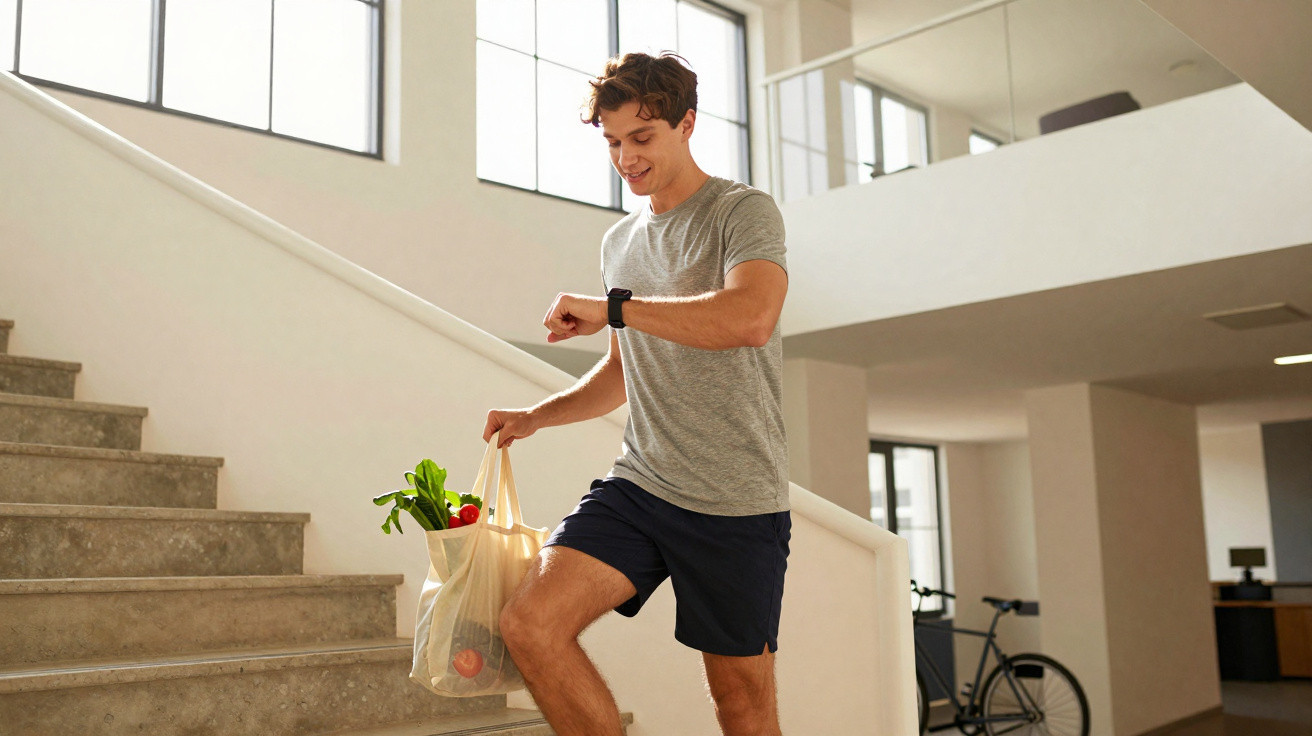
A small loop outdoors is ideal: around the office, through the courtyard, once round the block. If you’re working from home, you can take the stairs, pop to the local shop, or walk round the neighbourhood. The key is an active but unhurried pace - you should still be able to talk comfortably.
This brief burst of activity helps you use some of the energy you’ve just eaten. At the same time, the body is supplied with more oxygen, the blood sugar curve becomes smoother, and the familiar dip is much milder - or doesn’t appear at all.
Drinking for a clear head: water beats espresso
After lunch, many people automatically reach for coffee. It can make you feel more awake for a short while, but it only masks the underlying cause. Choosing water or unsweetened herbal and fruit teas instead supports the body far more sustainably.
Fluids help the digestive system process food and help fibre do its job. Even mild dehydration is enough to impair concentration and reaction speed.
| Measure | When is it useful? | Expected effect |
|---|---|---|
| Light, balanced lunch | Regularly at lunchtime | Gentler digestion, steadier blood sugar, fewer slumps |
| Short walk | Immediately after the last mouthful | Better circulation, more oxygen, a fresher head |
| Enough water or tea | From lunchtime into the afternoon | Clearer focus, more active digestion, less sluggishness |
Practical examples for an energising lunch
What an office lunch could look like
Eating at work doesn’t have to mean defaulting to canteen pasta. A few combinations that make the afternoon easier:
- Large mixed salad with chickpeas, strips of chicken or feta, plus a small piece of wholegrain bread.
- Leftover roasted vegetables with lentils or beans, a little olive oil and fresh herbs.
- Wholegrain rice with a vegetable stir-fry and tofu or fish, plus a dollop of natural yoghurt.
- Vegetable soup plus a wholegrain sandwich with egg or hummus.
If you do eat from the canteen, you can use the same approach: half a plate of vegetables, a portion of protein, a smaller portion of a filling side, and go easy on the sauce. Many workplace canteens now offer vegetable bars or wholegrain options that make it easier to put together a better plate.
What’s behind terms like “reactive hypoglycaemia”
The phrase sounds complicated, but it describes a very everyday process: first, blood sugar shoots up after a meal high in sugar or starch, then it drops quickly again. It’s during this downward swing that the fatigue dip hits. Keeping this in mind makes it easier to see why smaller portions and more fibre can make such a noticeable difference.
If you become extremely tired despite adjusting your diet, regularly feel shaky, sweat heavily, or experience major lapses in concentration, you should have it checked by a doctor. In rare cases, a metabolic issue sits behind it and needs treatment.
For most people, though, it’s enough to plan lunch more intelligently, move your legs briefly, and drink enough. That makes the afternoon far more productive - without a third coffee or any secret power tricks.





Comments
No comments yet. Be the first to comment!
Leave a Comment