
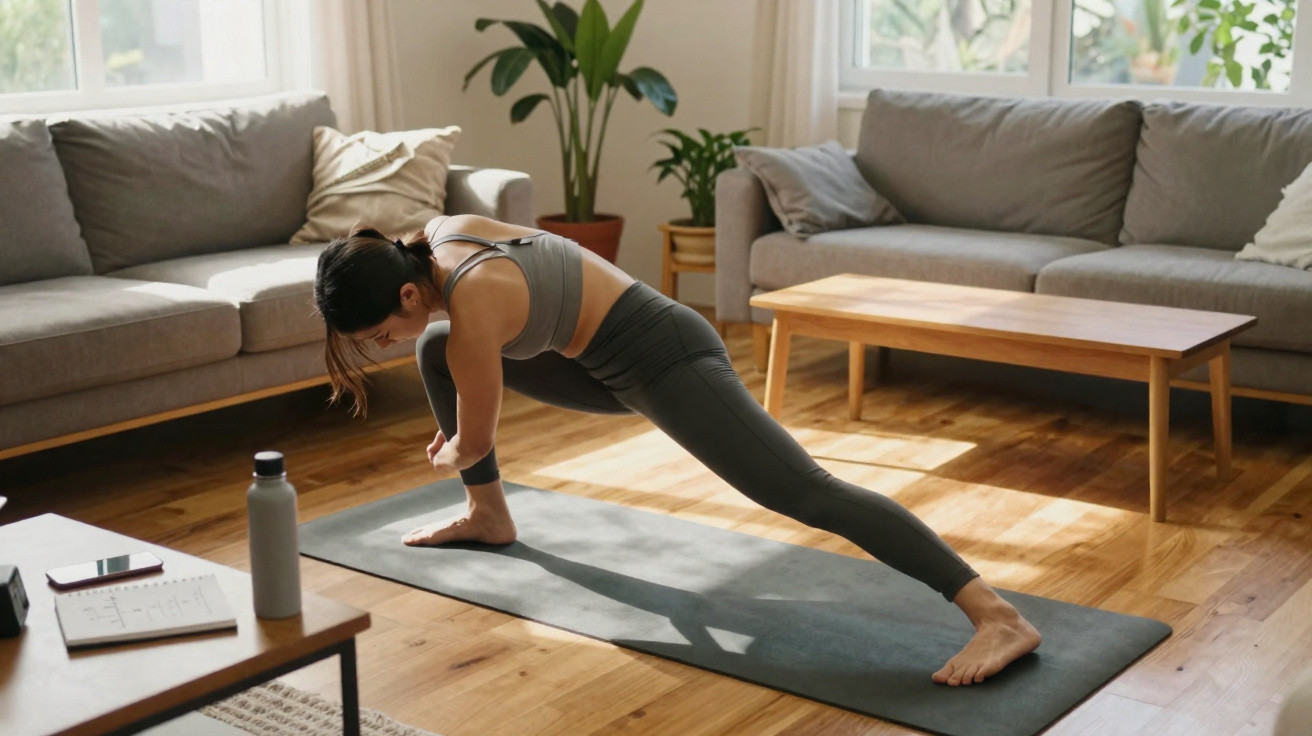
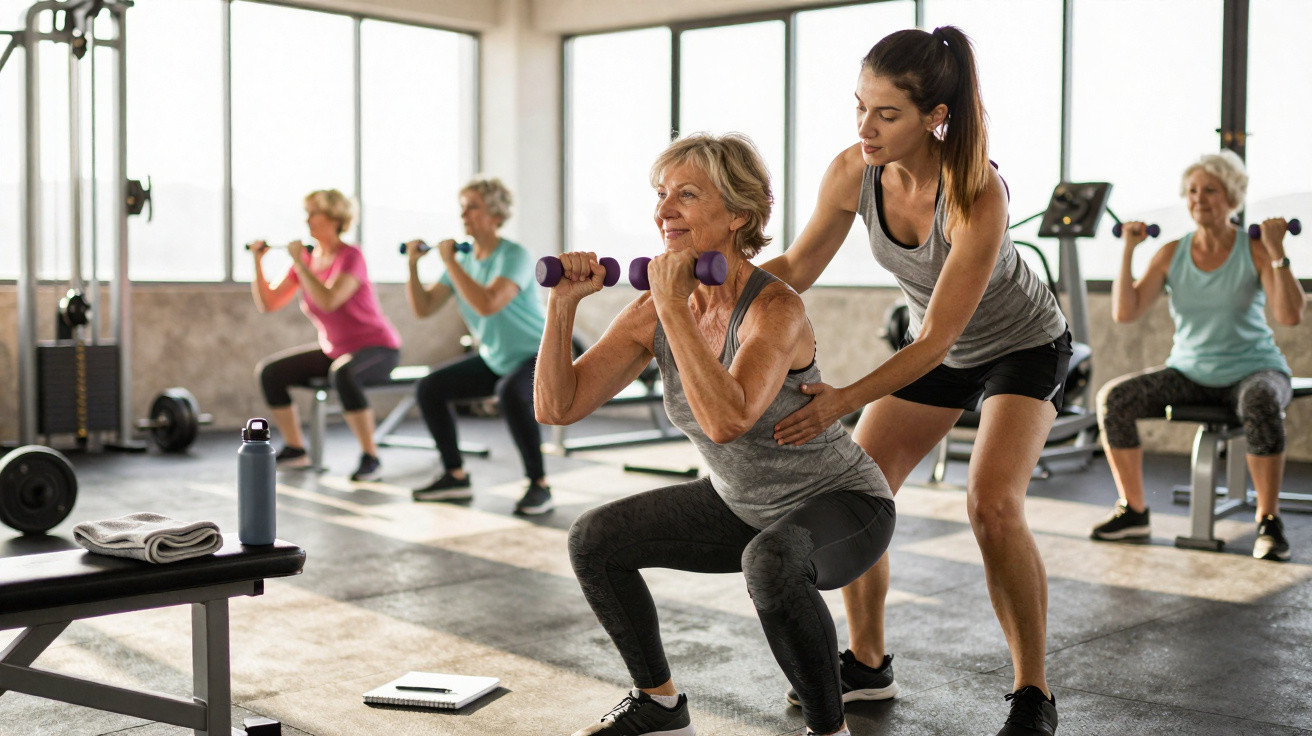
Many people know the pattern: an expensive membership, every bench taken, harsh neon lighting - and three weeks later the gym card is back in a drawer. Plenty of us can feel we ought to move more, yet getting to a studio simply no longer fits around everyday life. That is exactly why a trend is set to accelerate in 2026: minimalist home training, with zero equipment and a focus on clear, effective movements.
Why living-room workouts often work better than the gym
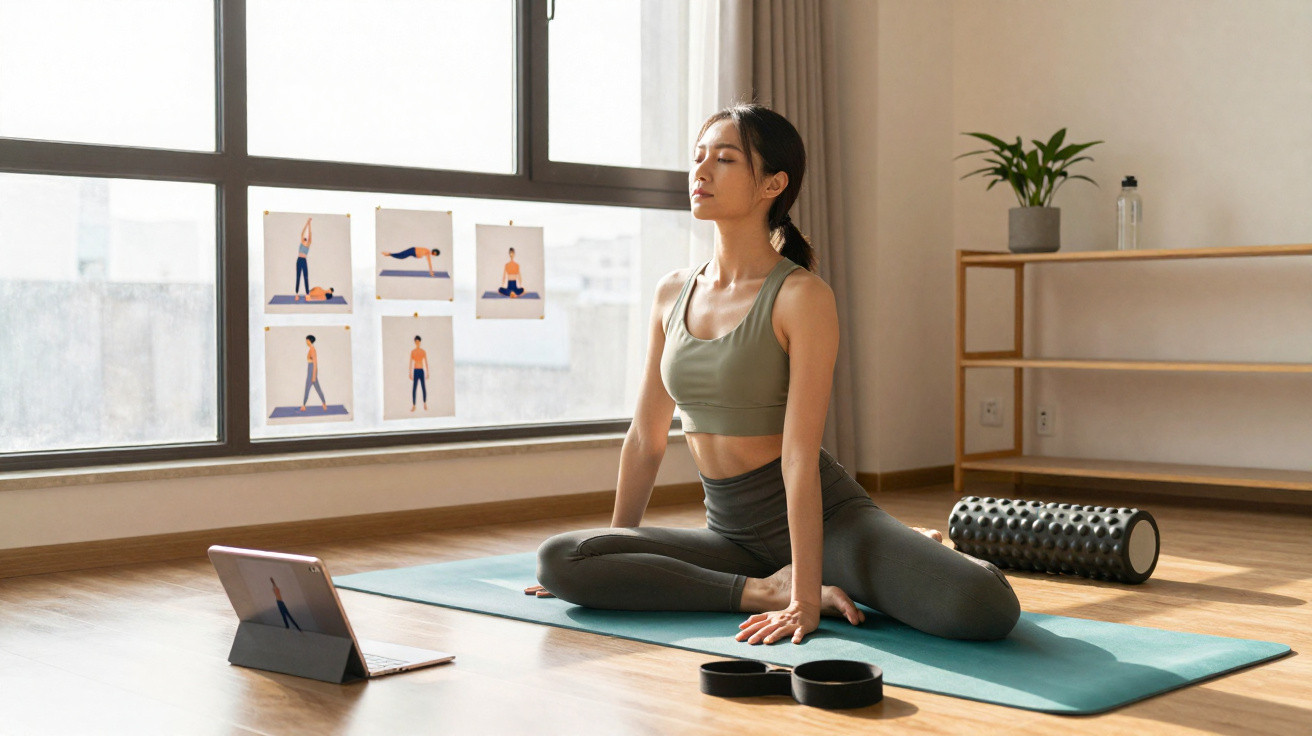
Exercising at home is not a second-rate substitute. For a lot of people, it is the first genuinely realistic way to stay consistent long term. No commuting, no awkward barrier to entry, no comparing yourself with anyone else - and that changes everything.
"The fewer obstacles there are before a workout, the more likely it is to actually happen."
If, after work, you only need to pull on comfortable clothes, slide the coffee table aside and begin, you will do it more often than someone who has to fight through rush-hour traffic first. Motivation, in particular, behaves like fresh food: it does not last forever. When the process is too complicated, the sofa usually wins.
The mental advantage: tiny barrier, maximum consistency
The real “magic” of home workouts is not one miracle exercise - it is repetition. Ten to twenty minutes on five days a week beats a single hardcore session once a month by a mile.
- No packing a gym bag
- No pressure from opening hours
- No "I don’t want to be seen in a vest" feeling
- No excuse bingo because of weather or traffic
That ease lowers your internal resistance. After a few weeks, many people notice the body almost starts asking for the daily movement - like a quick reset for mind and muscles.
Why bodyweight training fits everyday life so well
Lifting weights has its place, but daily life asks for something slightly different. Carrying shopping, picking up children, climbing stairs - those are movements where whole muscle chains have to work together. That is precisely what bodyweight exercises train.
Rather than isolating one muscle on a machine, functional movements automatically recruit multiple areas at once: core, legs, back and shoulders. Deep stabilising muscles have to join in, posture tends to improve, and joints are treated more kindly.
"Strength that lets you move boxes, children and your own body with confidence - that’s what everyday fitness is about."
When you practise this style of training regularly, the benefits show up quickly in normal life: less back discomfort, more stability while carrying things, and less huffing and puffing on the stairs.
The 10-exercise programme: a full body, one living room, zero equipment
The programme below is broadly split into two blocks: one focuses on cardiovascular fitness and lower body, the other targets the core and upper body. You can switch the order depending on how you feel that day - the essentials stay the same.
Block 1: pulse and legs - the “foundation”
This section mainly challenges your thighs, glutes and cardiovascular system.
Squats
Stand with feet roughly shoulder-width apart. Send your hips back as if sitting on an invisible chair. Keep knees tracking over the feet and your torso upright. This builds legs and glutes and improves your sense of a stable, strong stance.Lunges
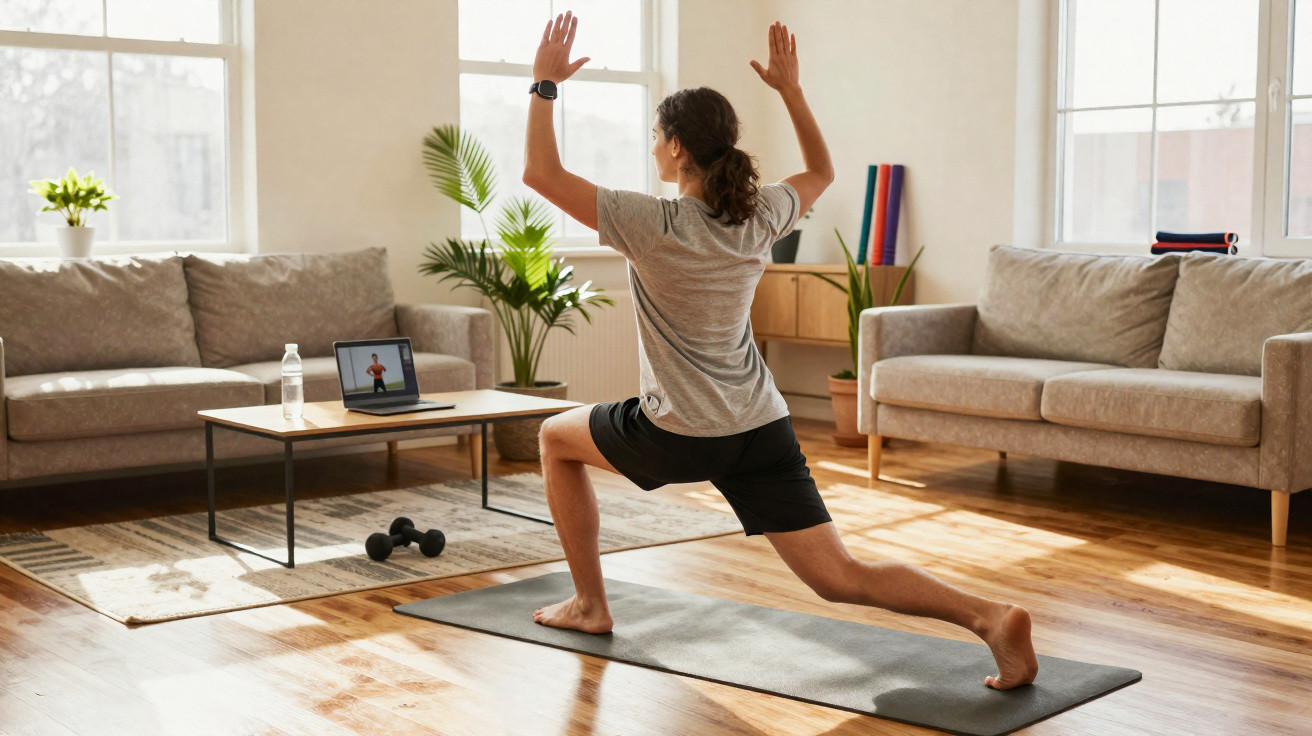
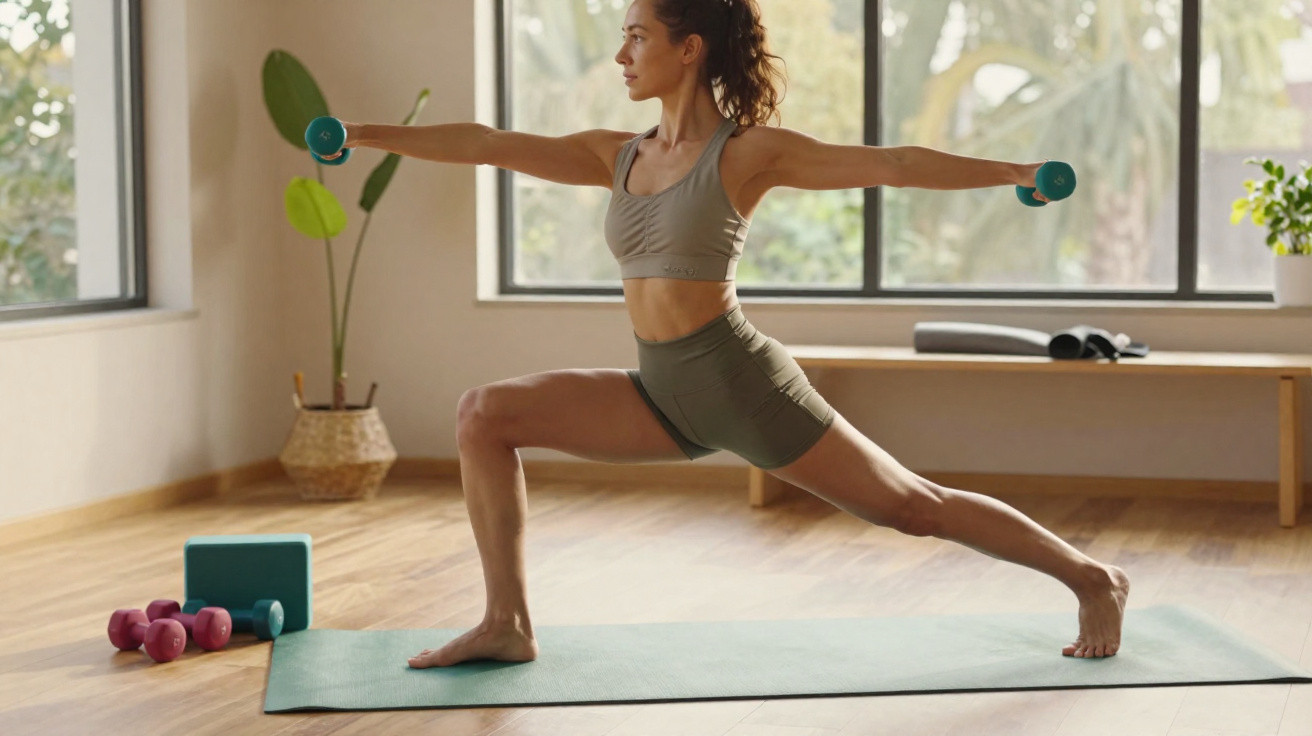
Step back, lowering the rear knee towards the floor while the front leg stays steady. Switch sides. This develops balance and strengthens both the front and back of the legs without placing unnecessary strain on the knees.High knees
From standing, drive each knee up powerfully in turn, choosing a pace that suits your fitness. If you like, use your arms actively. It is a very space-efficient cardio option that warms you up fast.Glute bridge
Lie on your back with feet planted. Push your hips up, squeeze the glutes firmly, hold briefly, then lower again. This wakes up glutes that are often “asleep” - helpful against an exaggerated arch and a tired lower back.Side steps or star jumps
If you want to be gentler on your joints, do quick, deliberate side steps. If you feel good, choose classic star jumps. Either way, you add pace and get oxygen moving through the body.
Block 2: core and upper body - the stable centre
In the second part, you work your abs, back, chest and arms - exactly the areas that suffer when you spend a lot of time sitting at a desk.
Forearm plank
Place your forearms on the floor and form a straight line from shoulders to heels. Brace the stomach and do not let the hips sag. This strengthens your midsection and supports the spine.Press-ups
Do them on your toes, or use an easier version on your knees or against a wall. This trains chest, shoulders, arms and core. Fewer clean, controlled reps beat lots with a drooping back.Superman
Lie face down with arms extended forward and legs long. Lift arms and legs slightly off the floor at the same time, then lower. This counters the typical “office hunch” and strengthens the back of the body.Chair dips
Place hands on the front edge of a sturdy chair with feet on the floor. Move hips just in front of the chair, bend and straighten the elbows. This targets triceps and shoulders without needing dumbbells.Mountain climber
From a plank position, drive knees towards the chest alternately. Adjust speed to your level. This combines abs, core tension and cardio - a tough finisher.
"With these ten movements you cover practically the whole body - on an area no bigger than a rug."
How to turn ten exercises into a set routine
Even the best list is useless if it is forgotten after two days. What matters is a simple structure you can repeat. For example:
- 2–3 rounds of the full circuit
- 30 seconds work, 20 seconds rest per exercise
- A fixed time: mornings before the shower or evenings before you start a series
If you are new, begin with one round and shorter work intervals. Over the weeks, extend the time, add a third round, or increase the pace slightly.
Variations when you get stronger
Your body adapts quickly. To keep progressing, you do not need to replace the exercises - just tweak them.
- Squats: lower slowly, hold for two seconds at the bottom, then drive up powerfully
- Lunges: later move to jumping versions once landing and technique are solid
- Plank: lift one arm or one leg alternately to challenge the obliques more
- Press-ups: change hand position - narrower for triceps, wider for chest
- Mountain climbers: increase speed or add a small twist towards the opposite elbow for extra core work
The key rule remains: pain is a warning sign; muscle burn is normal. If you are unsure, take it down a level and focus on form.
Practical tips: safety, motivation and sensible add-ons
A few small choices often decide whether you enjoy the routine for months or give up in frustration after a short time:
| Tip | Benefit |
|---|---|
| Short warm-up (e.g. 2 minutes of easy walking, rolling the joints) | Prepares muscles and tendons, reduces injury risk |
| Schedule fixed days and times | Turns training into a normal part of everyday life |
| Track progress (time, repetitions, how it felt) | Shows what really changes after a few weeks |
| Phone on silent, TV off during sessions | Improves focus and body awareness |
If you want, add gentle walks or cycling on quieter days. That clears the head, gets you fresh air and supports recovery. It also helps counterbalance passive stretches such as long hours sitting in front of a laptop.
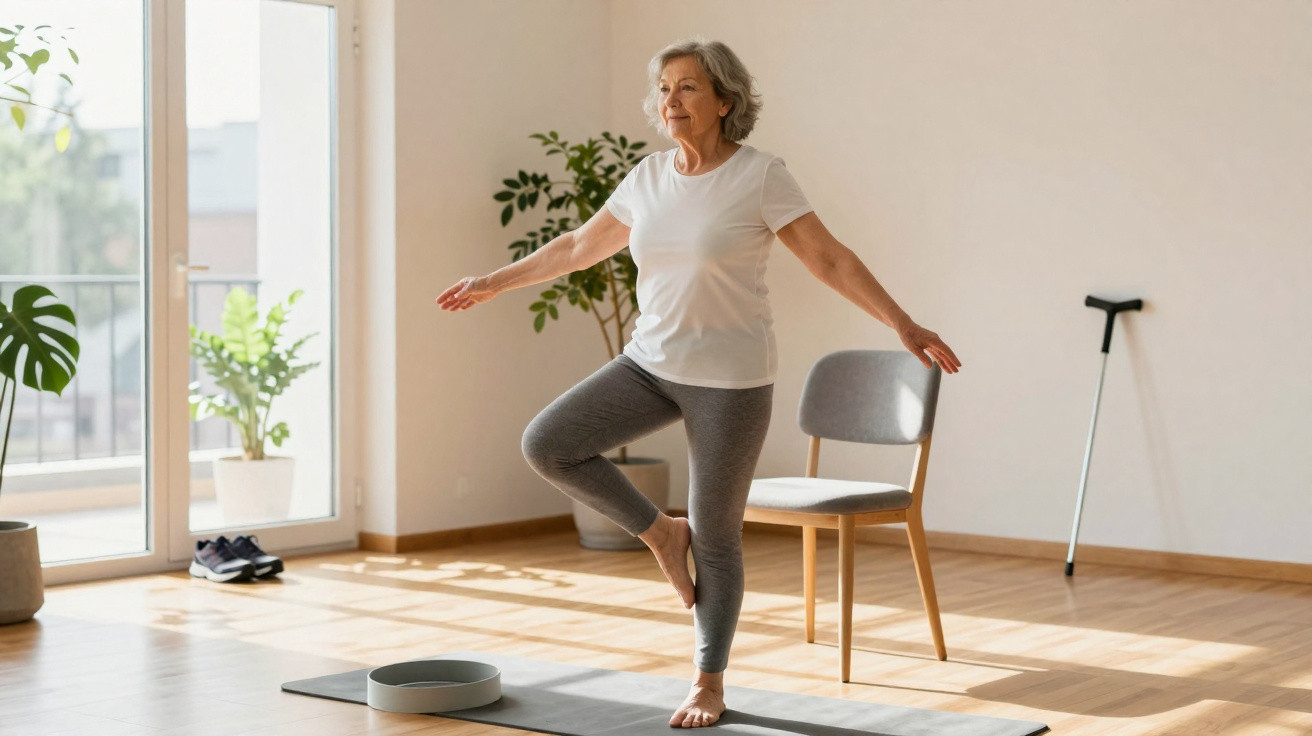
For many people, the phrase “core tension” needs unpacking: it means being able to switch muscles on deliberately without tensing up completely. That ability improves through planks, squats and bridges. When you can feel your centre working, you naturally stand taller, trip less, and twist yourself awkwardly less often during everyday tasks.
In the end, the goal is not to set records in the living room. What matters more is the sense that you are using your body actively again - without a membership card, without mirrored walls, without a performance. Ten clear exercises, a small patch of floor and a bit of commitment can be enough to make daily life feel noticeably easier and stronger.

Comments
No comments yet. Be the first to comment!
Leave a Comment