
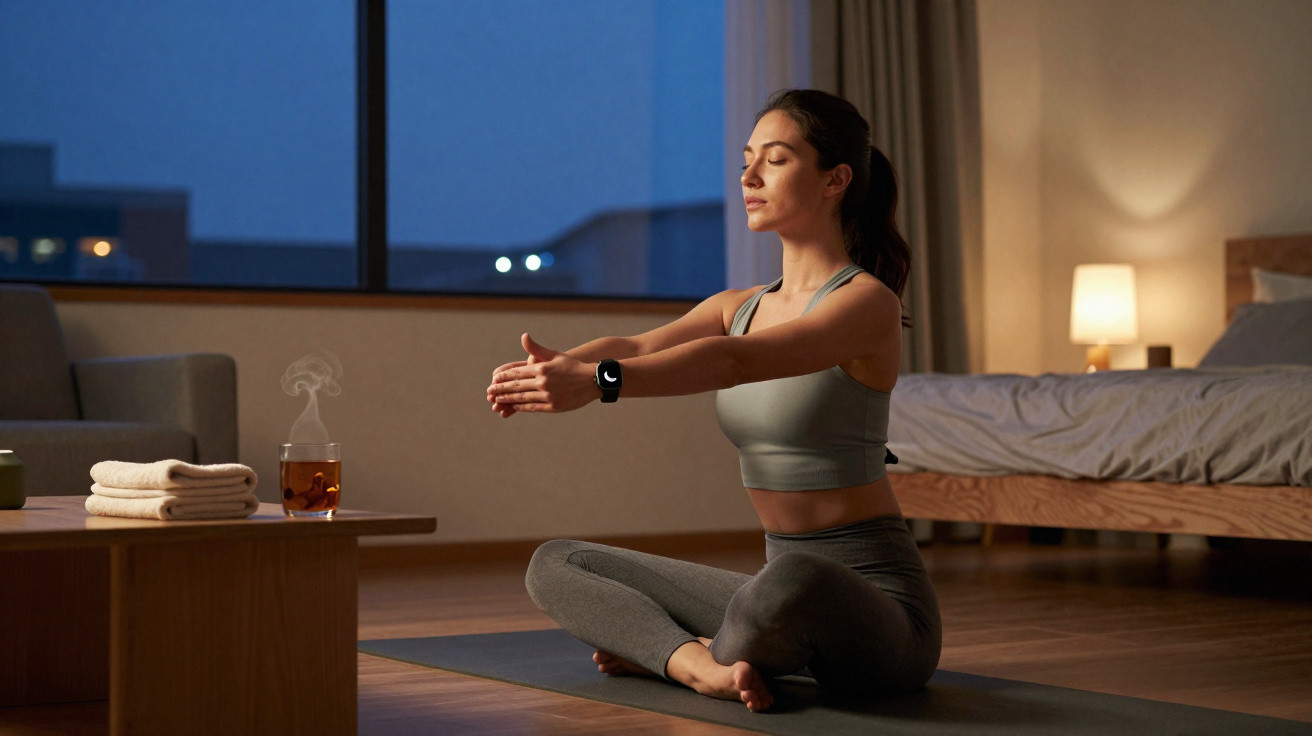
Sore muscles and counting sheep are separated by a subtle-but crucial-difference.
If your daytime schedule leaves you no breathing space, it’s common to push training into the evening. Then you end up staring at the ceiling, wondering whether that late session was exactly what kept you awake. A lot of people assume that exercising after 7 pm automatically ruins sleep. Is that really true-or does it depend far more on the type of workout, the timing, and the kind of person you are?
Myth busted: moving in the evening doesn’t automatically mean lying awake
Why evening exercise isn’t inherently a sleep-wrecker
The popular idea goes like this: any movement after sunset acts like a double espresso-heart rate up, brain on “alert”, goodbye sleep. It sounds plausible, but it’s only part of the story.
In reality, an evening spent slumped in front of the television often does more harm than a sensible workout. Hours of phone scrolling, gaming, or binge-watching with harsh screen light can disrupt melatonin production far more than an easy run or a relaxed yoga session.
"The issue isn’t exercise itself, but how intense it is and how late it happens."
The body isn’t a crude on/off switch; it responds in a nuanced way to different stimuli. A session that challenges you without completely revving you up can leave you with a pleasantly tired feeling-often an excellent starting point for restorative sleep.
Stress relief: how an evening workout can clear your head
Many people get home in the evening still mentally over-stimulated: emails, deadlines, arguments at work-the mind keeps spinning even though the laptop has been shut for hours. This is exactly where evening exercise can be genuinely valuable.
Movement helps interrupt the mental loop. Attention shifts away from rumination and towards breathing, muscle engagement, and coordination. At the same time, the body releases endorphins-so-called “happy hormones”-which lower stress and create a calm, contented sensation.
Going to bed feeling mentally steadier and physically pleasantly tired often makes it easier to fall asleep than going to bed after a day of physical inactivity but a night filled with emails, social media, and worries until midnight.
Intensity is the deciding factor: all-out sessions can sabotage sleep
Why late-night interval training can stop you drifting off
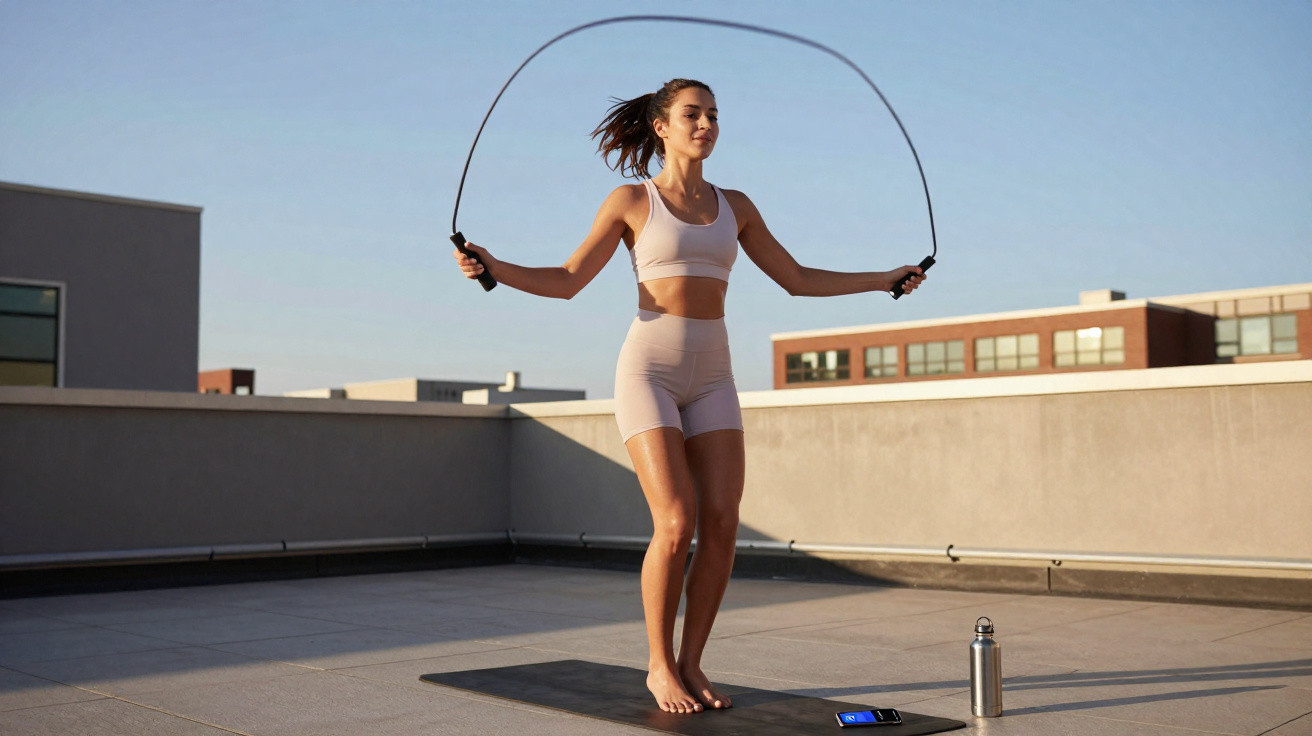
It’s a different picture when, at 9 pm, you’re still tackling hard-core sessions such as HIIT, intense spinning, or CrossFit. Workouts like these drive the heart rate up, switch on the stress response, and flood the body with adrenaline and cortisol.
The result is that your system shifts into “performance and high alert”-the exact opposite of what you want close to bedtime. Melatonin release is pushed back, much like after strong coffee. You may fall asleep eventually, but later-and often with lighter, less refreshing sleep.
- elevated heart rate right up until bedtime
- a wired, restless feeling
- longer time to fall asleep and more unsettled sleep
People who train very late and very hard on a regular basis frequently report precisely these issues. The good news is that a few small adjustments are often enough to make a noticeable difference.
Gentle movement as a sleep aid: what’s genuinely sleep-friendly
A smarter evening approach is moderate effort-exercise where you could still hold a conversation without gasping for air. Typical options include:
- brisk walking or easy jogging
- relaxed swimming
- yoga or gentle Pilates
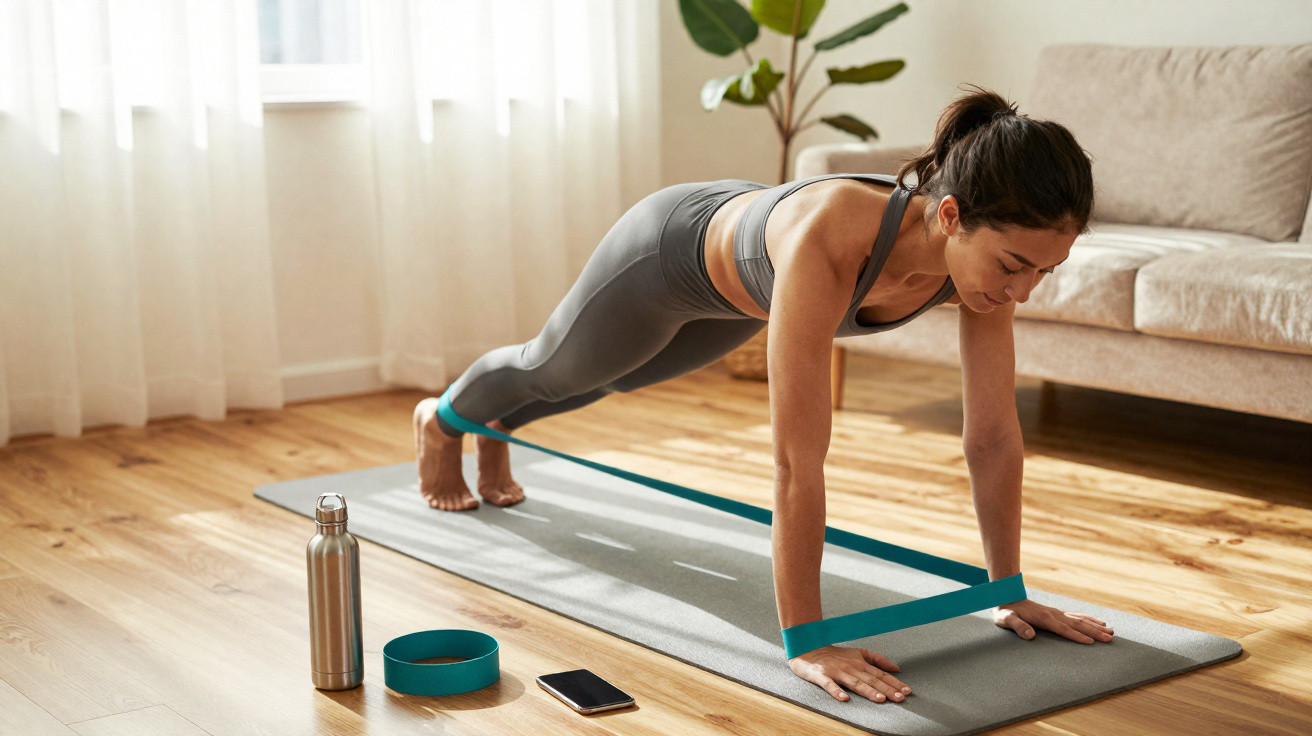
- light resistance training with low weights
- stretching and mobility routines
These kinds of sessions get circulation going without overstimulating the nervous system. Muscles release tension, breathing settles and deepens, and the parasympathetic system-the body’s “relaxation brake”-takes over. Many people turn this into a deliberate evening routine that can even improve sleep.
"A calm, consistent evening workout can work like a natural sleeping pill-just without any side effects."
Morning lark or night owl: your biorhythm plays a role
Understanding your chronotype: not every body likes the same time
Whether evening exercise suits you depends heavily on your personal chronotype. Some people peak at 7 am, while others don’t feel at their best until after 6 pm.
If you naturally wake early and start fading soon after dinner, late training often hits harder. Your body asks for rest earlier, and a 9 pm workout can feel like forcing yourself awake. Falling asleep afterwards? Often difficult.
Night owls, on the other hand, frequently do well with later sessions: the energy that’s already there goes into movement rather than endless scrolling or another episode. Many describe this period as the “perfect window” for training.
Listen to your body: take warning signs seriously
No matter your type, your own response is what counts. Common signs that your evening workload is too much include:
- a pounding heart once you’re in bed
- racing thoughts and a “wired” feeling
- waking several times overnight
- feeling exhausted in the morning despite enough hours on the clock
A simple log can help: what you did, when you trained, how hard it felt, and how you slept. After a week or two, patterns often become obvious. Many people discover that exercise itself isn’t the problem-only, for example, sessions after 8.30 pm, or only very intense workouts.
Body temperature as the key: too hot to sleep well?
Why an overheated body struggles to switch off
Falling asleep requires a slight drop in body temperature. Exercise warms you up: muscles generate heat, blood flows faster, core temperature rises-and can stay elevated for some time.
If you climb into bed straight afterwards, the body doesn’t send a clear “sleep now” signal to the brain. You may toss and turn, feel too warm, and keep kicking the duvet off. That can disrupt the process of falling asleep just as much as overthinking.
Why a lukewarm shower helps more than an icy rinse
A common post-workout instinct is an ice-cold shower. It can feel refreshing, but it’s not ideal for sleep. Cold water constricts blood vessels, trapping heat in the core and keeping the body in an alert state.
A lukewarm shower is usually a better move. Blood vessels open up, warmth shifts from the inside to the surface, and heat can dissipate through the skin. As you dry off, your skin cools a little more-gently kick-starting the temperature drop you want.
"Take a lukewarm shower, air the room briefly, put on light clothing-this tells your body: it’s time to move towards rest mode."
The right timing: the famous buffer zone before bed
Why leaving at least two hours makes sense
Many sleep specialists recommend a buffer of roughly two hours between finishing training and going to sleep. That gives your heart rate time to settle, hormones time to level out, and body temperature time to drift down.
In practical terms: if you want to be in bed by 11 pm, aim to finish training around 8–9 pm, depending on intensity. For demanding sessions, a longer gap is wiser; for gentle stretching, a shorter window is often enough.
What your post-workout plate should look like
What you eat afterwards also shapes sleep quality. A huge, greasy meal right before bed keeps the stomach working for hours, boosts metabolism again, and can worsen difficulty falling asleep. But going to bed starving isn’t a great plan either.
Better choices are light, easy-to-digest meals, for example:
- vegetables with a little wholegrain rice and chicken or tofu
- scrambled eggs with wholemeal bread and salad
- quark or yoghurt with banana and oats
These meals provide protein for recovery and complex carbohydrates for energy stores, without driving the system unnecessarily. Water and unsweetened herbal teas help meet your fluid needs-ideally spread across the evening so your bladder doesn’t wake you at night.
Practical check: how to find your personal evening-exercise mix
A one-week self-test: fine-tune rather than follow strict rules
The most reliable approach is to experiment on yourself. One workable plan is:
- try different times and intensities for one week
- jot down briefly: time, type of training, perceived effort, sleep quality
- at the end, spot patterns and adjust your plan
Some people find an easy run up to 7.30 pm works brilliantly, while late strength training does not. Others realise that yoga at 9 pm sends them straight to sleep, while interval runs belong earlier in the day.
Related activities that often work especially well in the evening
Not every “sports session” has to mean sweating in a gym. In the evening, gentler options that combine movement with relaxation can be ideal:
- an evening walk with deliberate, deep breathing
- light stretching with calm music
- a foam roller to loosen tight muscles
- short, guided relaxation exercises or breathing techniques after your workout
These routines support the shift from active mode into rest-perfect for anyone who goes full throttle during the day but still wants to sleep well at night.
If you respect your own biorhythm, choose intensity wisely, and give your body enough time to wind down, you can fit evening sport into everyday life comfortably-and gain the benefits rather than sacrificing your sleep.




Comments
No comments yet. Be the first to comment!
Leave a Comment