
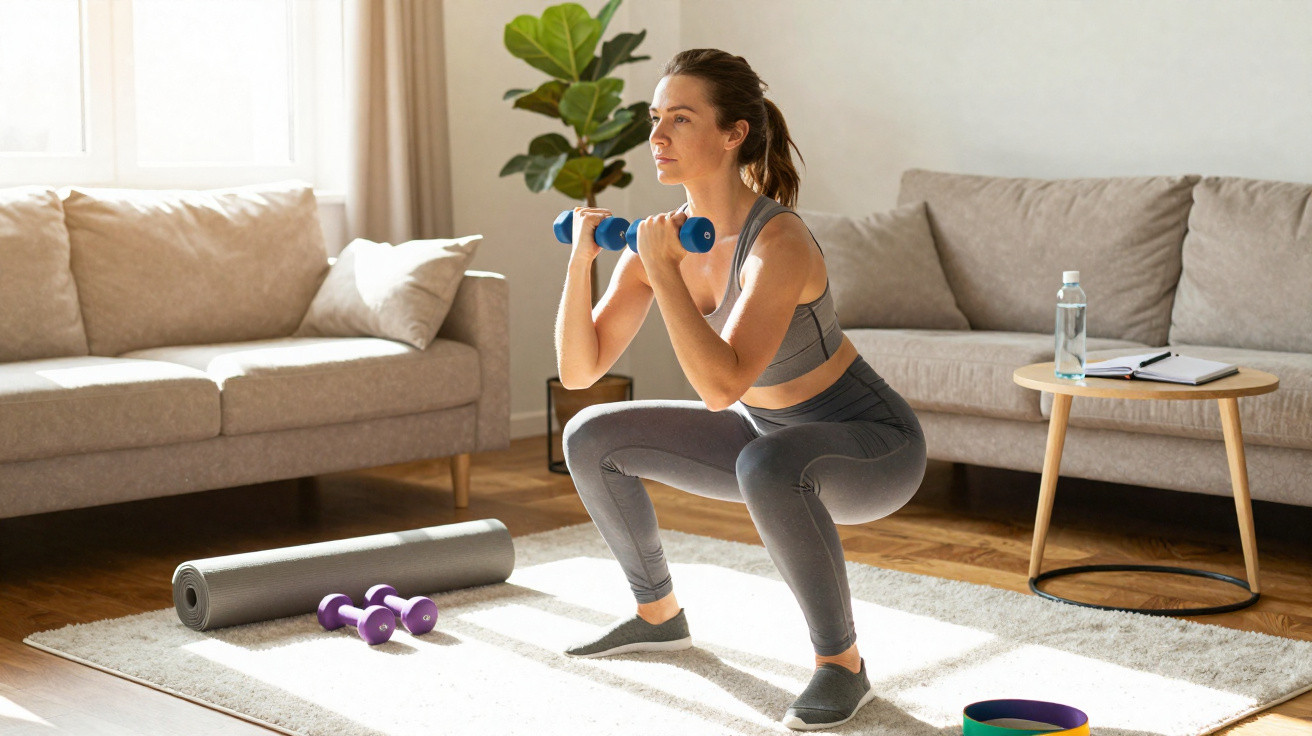
Plenty of people put themselves through overly complicated fitness plans - and, very often, there’s no need.
Fresh data points to a far simpler approach: start, keep going, done.
Anyone trying to get stronger can quickly end up lost in a maze of programmes, niche exercises and numbers. Three sets of 12 reps? One‑rep max? Supersets? For many, it sounds more like a maths lesson than movement. A large review of the research now takes the pressure off perfection - and delivers a surprisingly relaxed message: straightforward, consistent strength exercises can deliver big results, even when sessions are short and you never set foot in a gym.
What the new mega-analysis really shows
The updated guidance is drawn from an overview of 137 systematic studies, covering more than 30,000 participants. The researchers analysed around 15 years’ worth of evidence on muscle growth, strength and long‑term health.
The headline finding is simple: strength training works even in small doses - across all age groups. People who have been doing nothing and begin with very basic movements tend to gain the most. In the first few weeks, it’s common to see measurable increases in strength and muscle size without any need for hardcore workouts.
"The biggest jump towards better health comes from moving from ‘no training’ to ‘a bit of training’ - not from ‘very good’ to ‘perfect’."
This turns away from the old dogma that only complex, precisely engineered programmes deliver results. Instead, the focus shifts to one practical rule: a workable plan you can stick with beats an ideal plan nobody maintains.
Why simple strength exercises work so well
The body adapts surprisingly quickly once muscles are asked to work on a regular basis. Even a few weeks of light to moderate effort can trigger changes such as:
- greater strength for lifting, carrying and standing up
- a modest increase in muscle size, especially in the legs and arms
- everyday tasks feeling noticeably easier
- a steadier, more confident feel when walking and using stairs
What matters most is not the exact number printed on a dumbbell, but the stimulus the muscle receives. Bodyweight movements - or exercises with a basic resistance band - can challenge the muscles enough for them to get stronger.
"From a scientific point of view, what counts most is that you regularly ‘surprise’ your muscles - not that every number in your plan is perfect."
The emerging message from the research is that working all major muscle groups at least twice a week provides a strong base for strength and health. Whether you do that with weights, bands or bodyweight exercises appears far less important than previously assumed.
Health booster: strength training does far more than shape muscles
Many people associate strength training with appearance - abs, arms, glutes. But the studies highlight other outcomes as especially meaningful. Over the long term, people who regularly load their muscles tend to have:
- a lower risk of cardiovascular disease
- better blood sugar control and a reduced risk of type 2 diabetes
- stronger bones and therefore a lower risk of osteoporosis
- fewer falls in later life thanks to improved balance and reactions
- more frequent improvements in sleep and daytime energy
In older age, strength training can act like an “insurance policy” for independence. When leg and core strength are trained, it becomes much easier to stand up from a chair, carry shopping with confidence and stay mobile for longer.
"With every session, you’re investing a few minutes in your future independence - whether you’re 30 or 75."
No gym required: how to do strength training at home
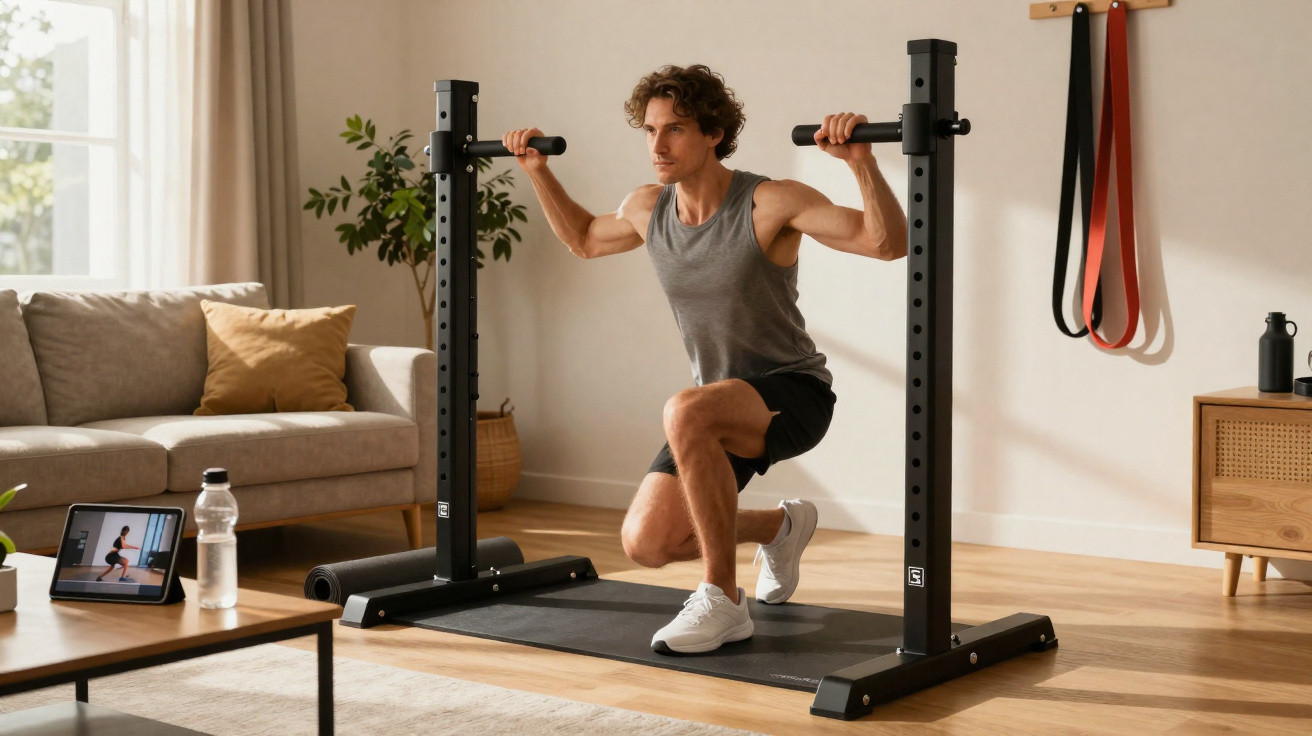
Another finding in the updated guidance removes a common excuse: you don’t need an expensive membership, a hall full of machines or a perfectly kitted‑out garage. For effective strength training, what you already have is often enough.
Simple tools with a big impact
- Resistance bands: light, affordable and great for back, shoulders and legs.
- Bodyweight: press-ups, squats, lunges and planks can be done anywhere.
- Everyday items: water bottles, rucksacks or shopping bags can act as “weights”.
- Stairs: stair climbing or step‑ups for stronger legs and glutes.
The key is that the final repetition of an exercise should feel clearly challenging. You don’t need to push to an absolute limit, but your muscles should register that they’re working.
A concrete mini plan for beginners
If you’re new to this, start with two short sessions per week. One workable at‑home plan could look like this:
| Exercise | Muscle group | Volume |
|---|---|---|
| Squats (with or without a chair) | Legs, glutes | 2–3 sets of 8–12 repetitions |
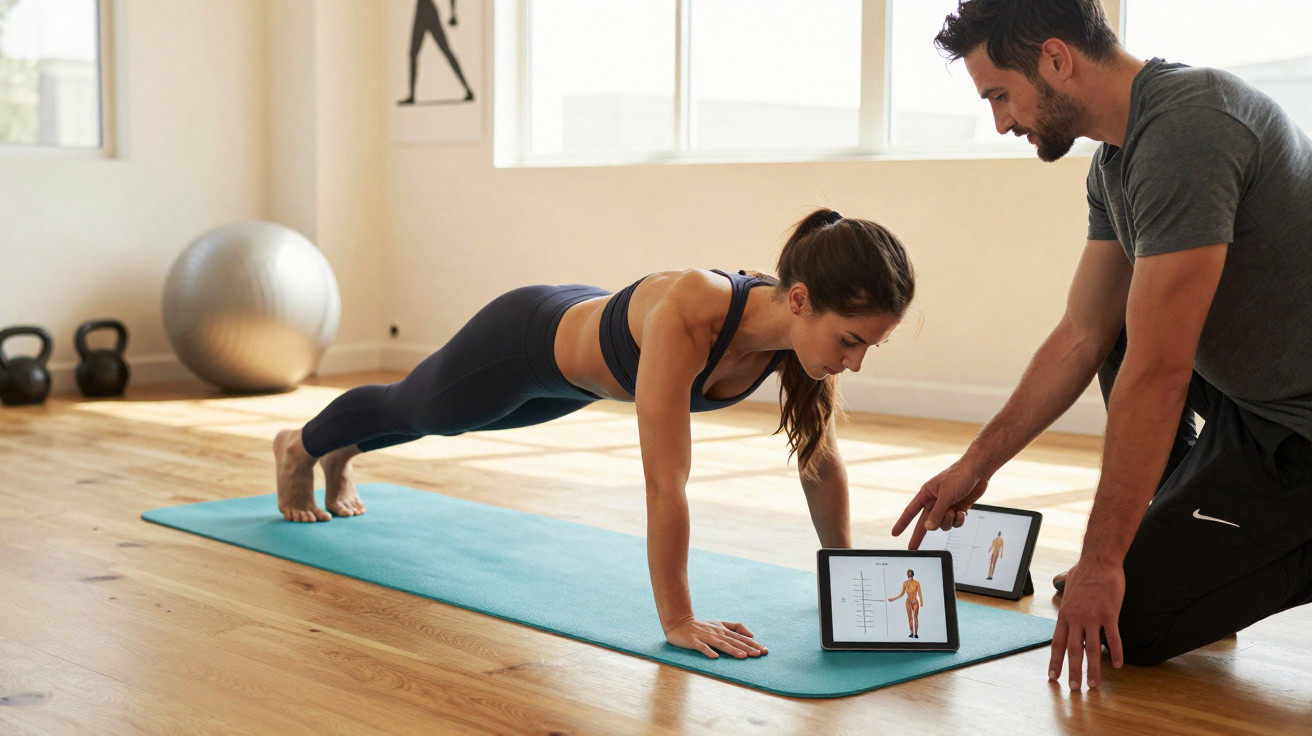
| Wall press-ups or standard press-ups | Chest, arms, shoulders | 2–3 sets of 6–10 repetitions |
| Rowing with a band or water bottles | Upper back, arms | 2–3 sets of 8–12 repetitions |
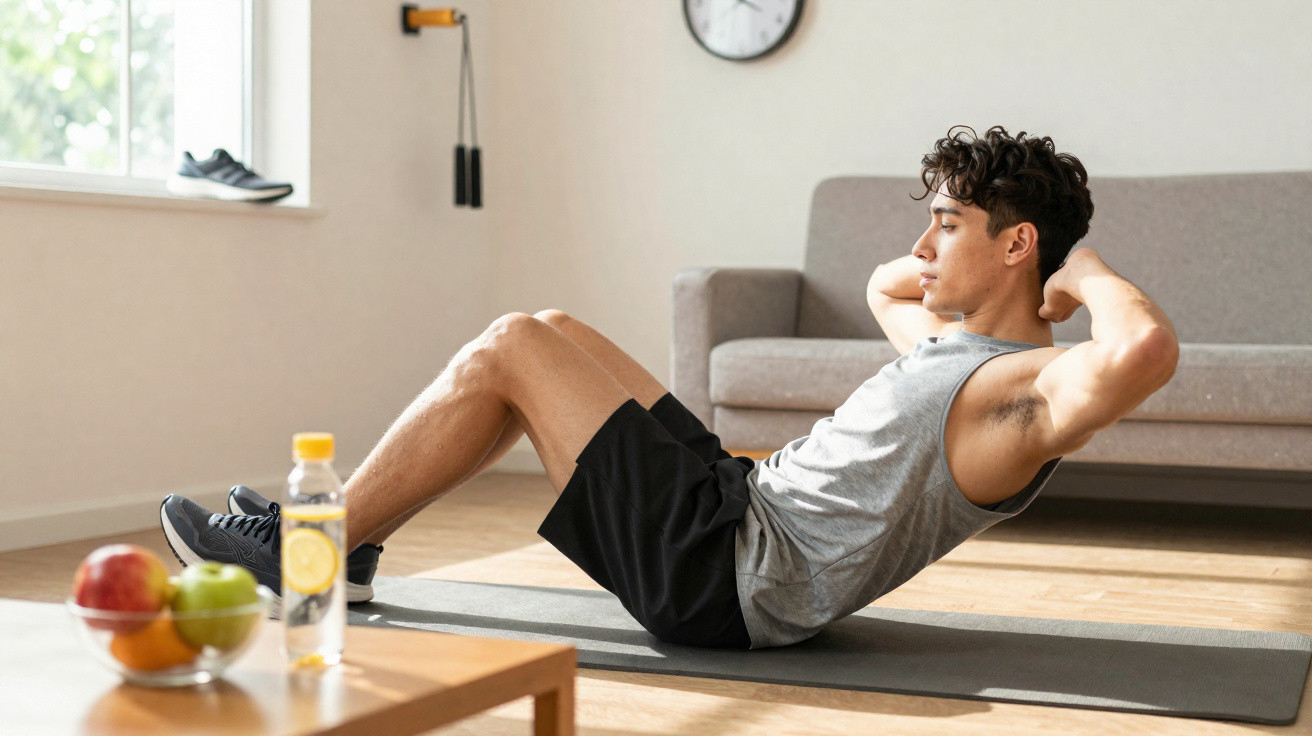
| Plank (forearm hold) | Abs, core | 2–3 rounds of 15–30 seconds |
| Calf raises on the stairs | Calves, ankles | 2–3 sets of 10–15 repetitions |
Between sets, 60 to 90 seconds of rest is enough. If, after a few weeks, you feel clearly under‑challenged, either add repetitions, extend the hold time, or make the movement slightly harder (for example, progress from wall press-ups to kneeling press-ups).
Why consistency matters more than the perfect plan
The evidence review is clear: the best programme is the one that genuinely fits into your day‑to‑day life. Many people don’t fail because they lack motivation, but because their goals are too ambitious. An hour of training every day sounds impressive - but for most people it’s unrealistic in the long run.
"Two short sessions per week that you actually follow through on beat any dream plan that collapses after three weeks."
A few straightforward tactics make it easier to keep going:
- Fixed appointments: treat training like a GP appointment and block it out in your calendar.
- Lower the barrier: lay out your kit, keep sessions short, avoid needing to travel anywhere.
- Rituals: train at the same time of day - for example, straight after getting up or after work.
- Record progress: note what you did; even ticking a box on paper can be motivating.
How to fit strength training into everyday life
Not everyone enjoys a “proper” session with a warm‑up, a plan and a timer. The updated recommendations deliberately leave room for flexibility so more people can find an entry point. Strength stimuli can also be spread across the day.
Practical ideas:
- Do 10 squats every time you finish brushing your teeth.
- While the kettle boils: hold a plank for 30 seconds.
- During phone calls: do calf raises or lunges.
- During an evening of TV: add one exercise in each ad break.
These “micro workouts” won’t always replace a full session, but they add extra stimulus and reduce the mental barrier to starting. Once you see that small bursts of movement are doable, moving towards more structured training often becomes easier.
What beginners should know before starting
A lot of uncertainty centres on risk. The study data indicate that for most healthy people, light to moderate strength training is safe - especially if you begin gradually and focus on good technique rather than trying to match heavy weights.
If you already have health conditions - such as heart problems, high blood pressure or significant joint pain - it’s sensible to arrange a quick check with your GP. Training can then usually be adjusted, for instance by taking slightly longer rests, choosing joint‑friendly movements or reducing the load.
"Risk rarely comes from the exercise itself, but from overdoing it and rushing. Build up slowly, listen to your body - and don’t force a new record every week."
Why it’s worth rethinking what “intense” means
Many people shy away from the word “intense” because they picture sweat, gasping for air and severe muscle soreness. In exercise science, however, “intense” mainly describes how demanding a movement is relative to your own capacity. For someone untrained, a slow set of bodyweight squats can already be “intense”. Someone who has trained for years might need a barbell on their shoulders for the same effect.
That’s exactly why the move towards simple routines makes sense: intensity does not automatically mean extreme workouts. A short session done with focus and without distractions achieves far more than an hour of “messing about” while constantly checking your phone.
How relaxed strength training can be combined with other activities
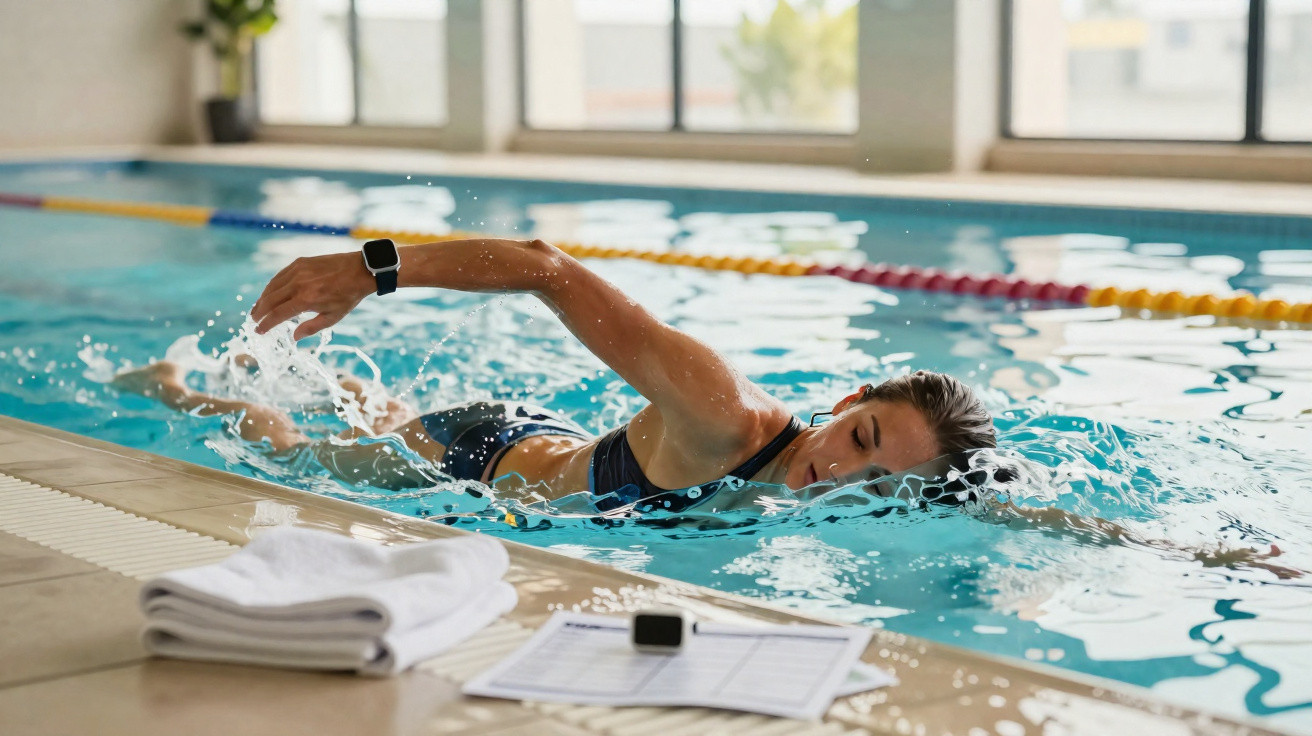
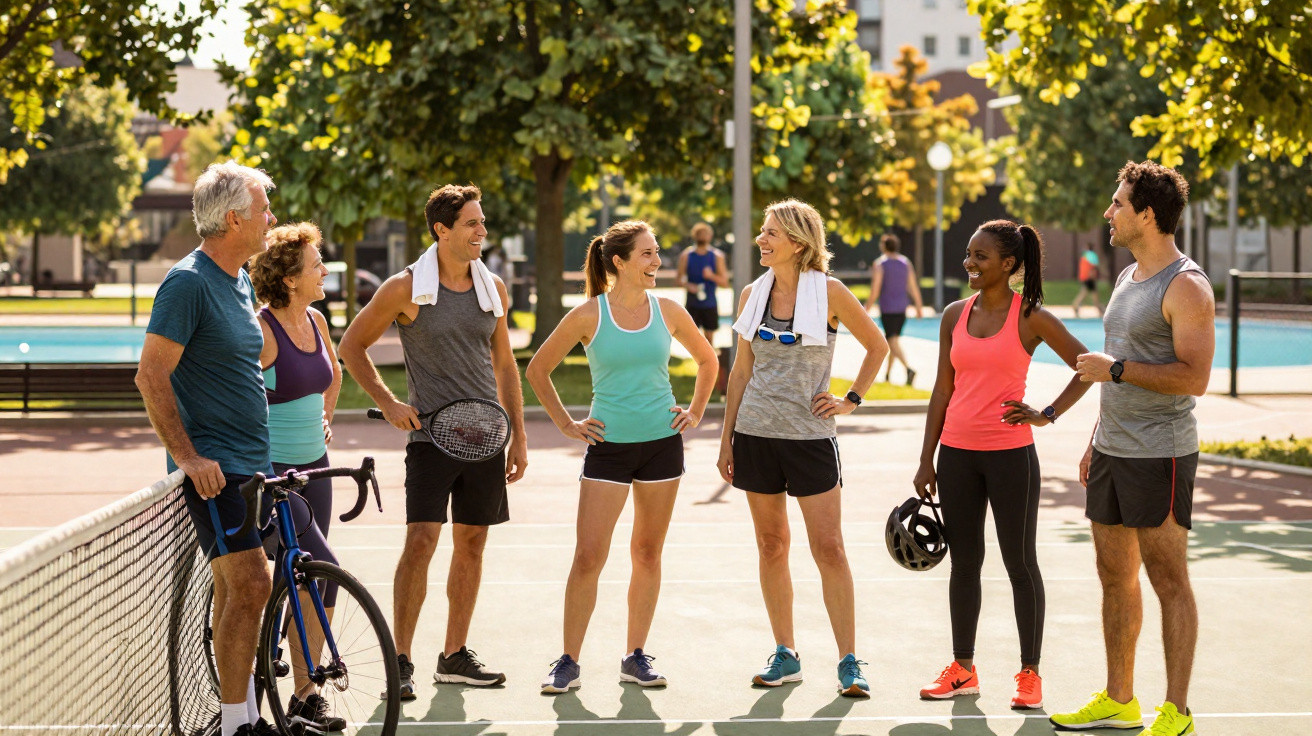
Strength training doesn’t compete with other forms of exercise - it supports them. If you target your muscles once or twice a week, you’re likely to benefit when running, cycling or walking too. Stronger legs reduce stress on knees and hips, and a stable core helps protect the back.
Even a simple combination of:
- two short strength sessions per week, and
- regular brisk walking, cycling or easy jogging
can provide the key building blocks for an active, resilient life. The crucial factor isn’t whether your plan achieves “textbook perfection”, but whether you keep it up for long enough. That’s the clear encouragement from the latest data: think less, do more - and set the bar deliberately low so getting started actually happens.

Comments
No comments yet. Be the first to comment!
Leave a Comment