

Losing fat after 50 can feel far harder than it did earlier in life, especially for anyone who used to slim down easily by simply trimming a few calories or following the latest diet trend. From this stage onwards, the body goes through hormonal shifts, gradually loses muscle, and burns less energy at rest-so pairing sensible eating with regular activity and good-quality sleep tends to work far better than extreme restriction.
Why does metabolism slow down after 50?
As we get older, muscle mass gradually declines in a process known as sarcopenia. Because muscle tissue uses a lot of energy to stay active, losing it lowers your basal metabolic rate, meaning you burn fewer calories even when resting.
Hormonal changes also influence how the body handles fat and glucose. In women, menopause changes oestrogen levels and can encourage abdominal fat; in men, declining testosterone can reduce lean mass. Add to that more time spent sitting down, reduced insulin sensitivity, and a stronger effect of refined carbohydrates on the scales.
Watch a video on the YouTube channel Health of the Mind about the impact of hormonal and metabolic changes after 50, along with the best dietary strategies for burning fat in a healthy way:
https://www.youtube.com/watch?v=N3b8K2m_L4o
Why do many old diets stop working after 50?
Eating plans that only focus on cutting calories, skipping meals, or removing entire food groups can further reduce muscle and make metabolism slower. After 50, losing lean mass can mean greater difficulty losing weight, plus a higher risk of tiredness, weakness, and reduced physical independence.
Busy routines, medication use, and poor sleep can all disrupt appetite, fullness cues, and day-to-day energy. To manage weight more wisely, it helps to prioritise gradual adjustments and pay close attention to how your body responds-often through simple, consistent habits such as:
- Cutting back on sugary drinks and ultra-processed products.
- Increasing daily intake of vegetables and whole fruits.
- Swapping fried foods for grilled, boiled, or baked meals.
- Avoiding repeated cycles of a “strict diet” followed by overeating.
How to adjust your diet to lose fat after 50?
To support fat loss at this stage, it helps to protect muscle mass, manage hunger, and keep blood glucose steady. Rather than drastic cutbacks, focus on food quality and regular meals, and avoid long fasting periods unless you have professional guidance.
- Lean proteins: lean meats, eggs, lower-fat dairy, beans, lentils, chickpeas, and tofu help preserve muscle and improve satiety.
- Better-quality carbohydrates: wholegrain options, sweet potato, cassava, oats, fruits, and vegetables reduce glucose spikes.
- Healthy fats: olive oil, avocado, nuts, and omega-3-rich fish support metabolic balance.
- Adequate fibre: vegetables, fruits with the skin on, seeds, and whole grains support gut health and hunger control.
How to combine exercise, sleep and routine to lose weight after 50?
Professional guidance is particularly valuable in this age group, both for safety and for results. Combining strength training with aerobic activity can help reduce fat, maintain muscle, and keep metabolism more active-so long as individual limits are respected.
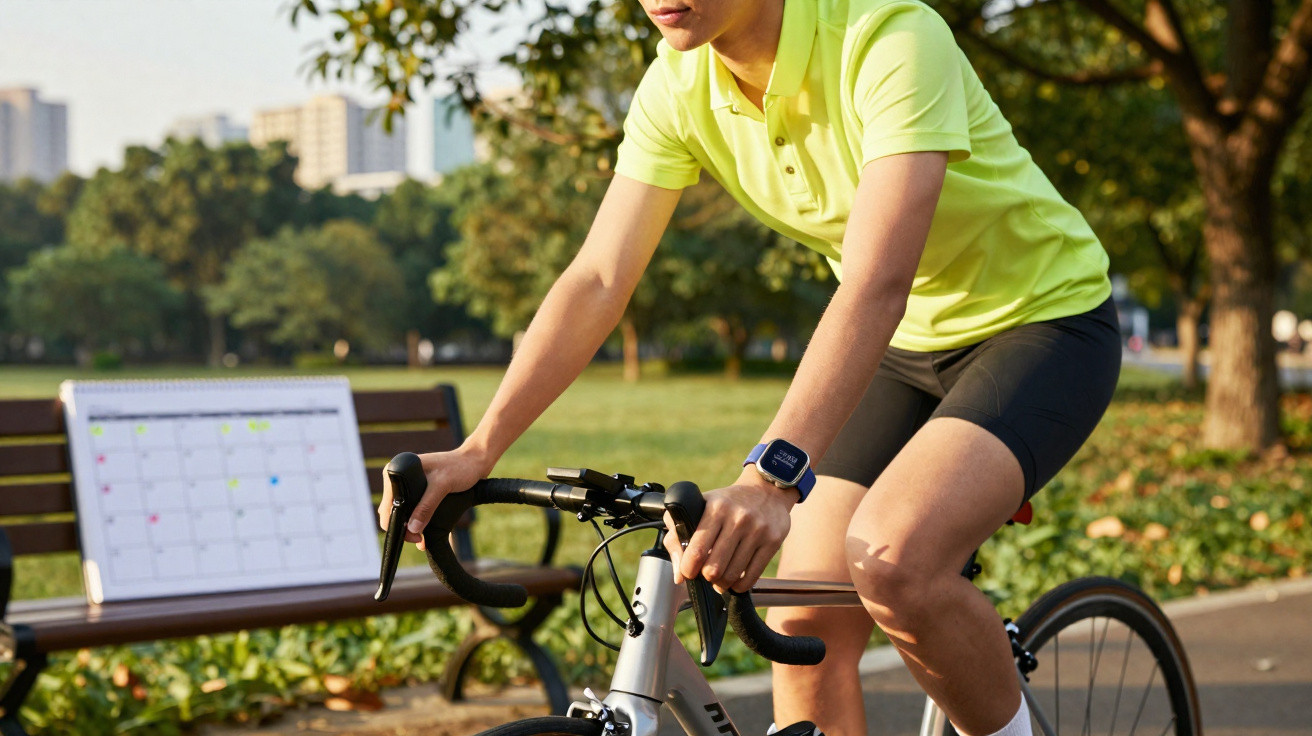
Strength training or bodyweight sessions two to three times per week, alongside walking, cycling, swimming, or dancing, can deliver strong results when paired with consistent sleep. Keeping fairly regular bed and wake times, sleeping in a dark room, and using simple relaxation techniques can make fat loss steadier and more sustainable over the years.





Comments
No comments yet. Be the first to comment!
Leave a Comment