
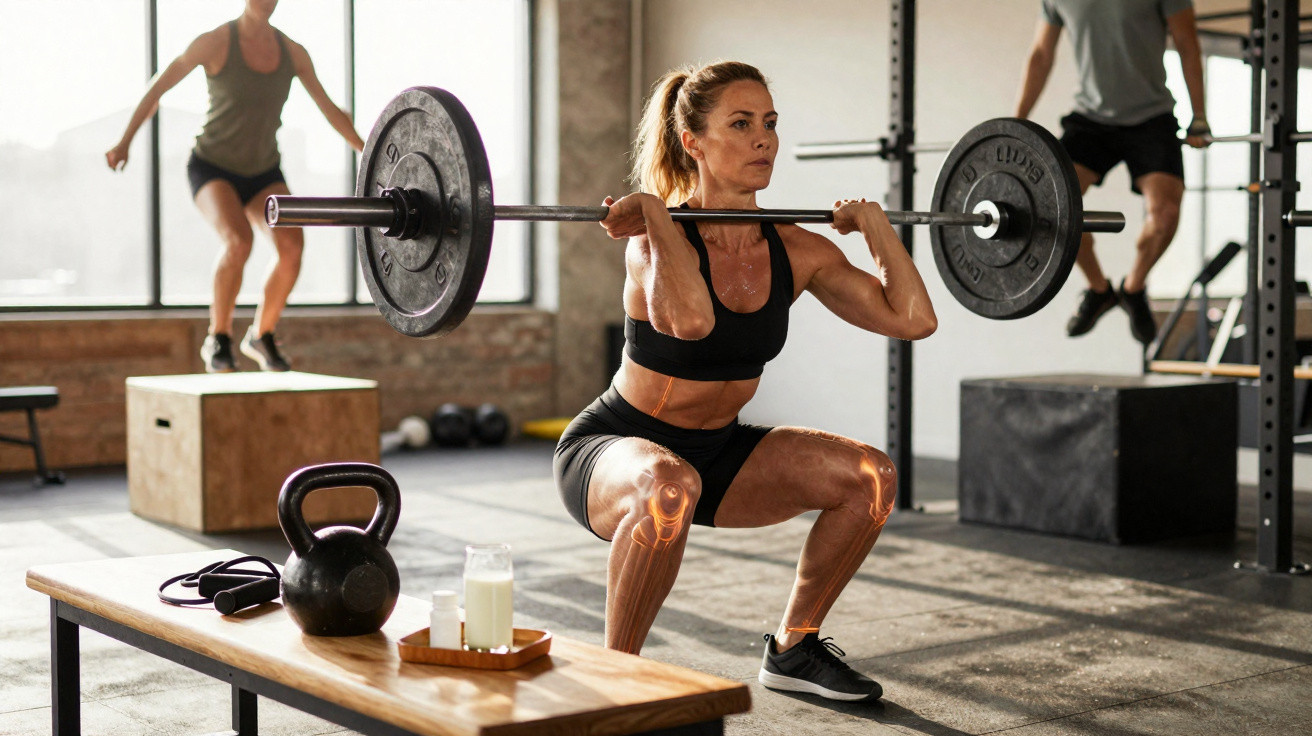
Activities such as walking, cycling and swimming support the heart, mobility and overall fitness, but the most reliable stimulus for bone comes from combining strength training with carefully managed impact work, always tailored to an individual’s fracture risk.
Which exercise strengthens bones the most?
Bone tissue adapts to the forces placed on it during movement. Resistance exercise makes muscles pull on bones, while jumps, step work and other weight-bearing activities create enough load to help maintain or increase bone density.
The answer is not a particular machine, nor simply the act of going to a gym. Walking and cycling remain worthwhile, but they provide a different kind of bone stimulus. For bone health, the most rounded approach blends strength, impact, balance and steady progression.
The most useful options for supporting bone health include:
- Strength training: provides progressive resistance for both muscles and bones.
- Impact: small, controlled jumps can create an osteogenic stimulus when they are safe.
- Stairs: challenge the legs and hips against gravity.
- Balance: helps prevent falls that can lead to fractures.
- Progression: effort should build gradually, with good technique.
How does mechanical loading strengthen bone tissue?
Osteoporosis lowers bone strength and raises the risk of fractures, often without warning signs. Mechanical loading triggers responses in bone tissue, which adapts when it receives progressive, varied stimulation that matches an individual’s health status.
In strength training, squats, rows, presses, hip-focused movements and step-ups target large muscle groups. The tension placed through the skeleton supports the preservation of bone mass, while stronger muscles improve balance and reduce the likelihood of falls.
How should you combine strength training and impact exercises?
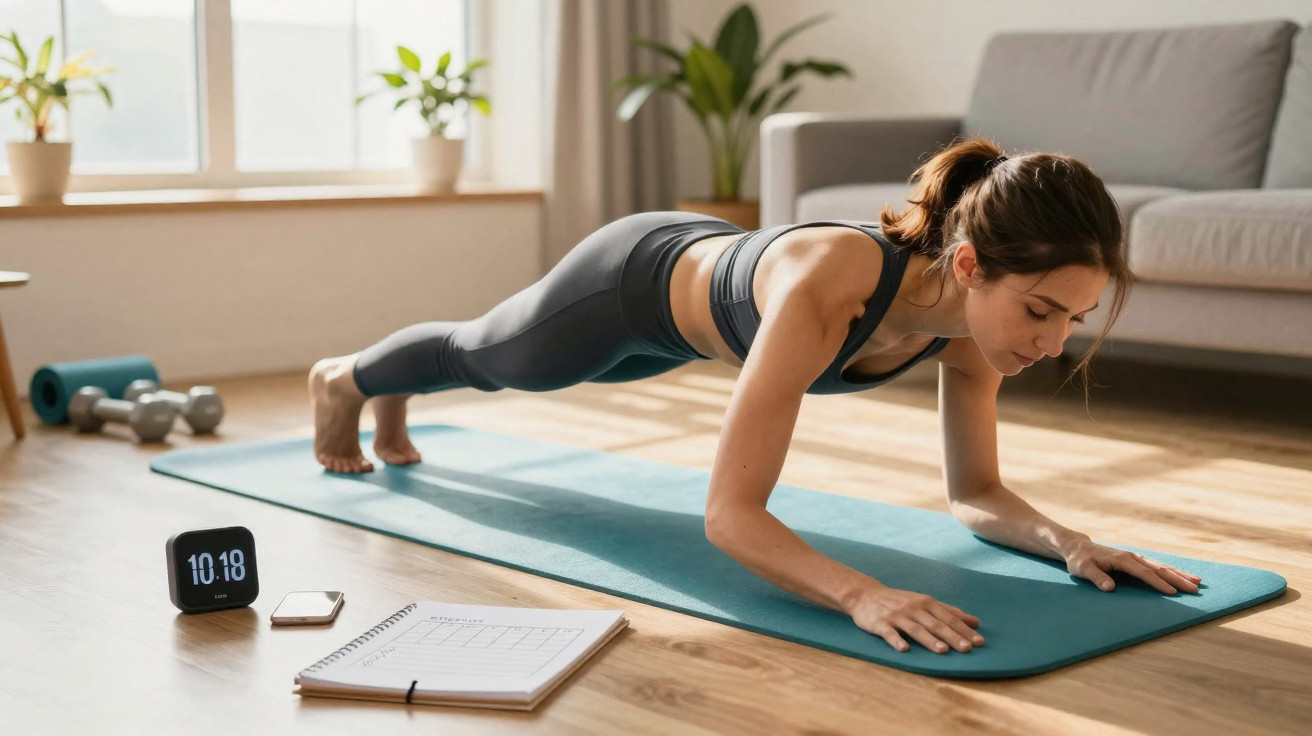
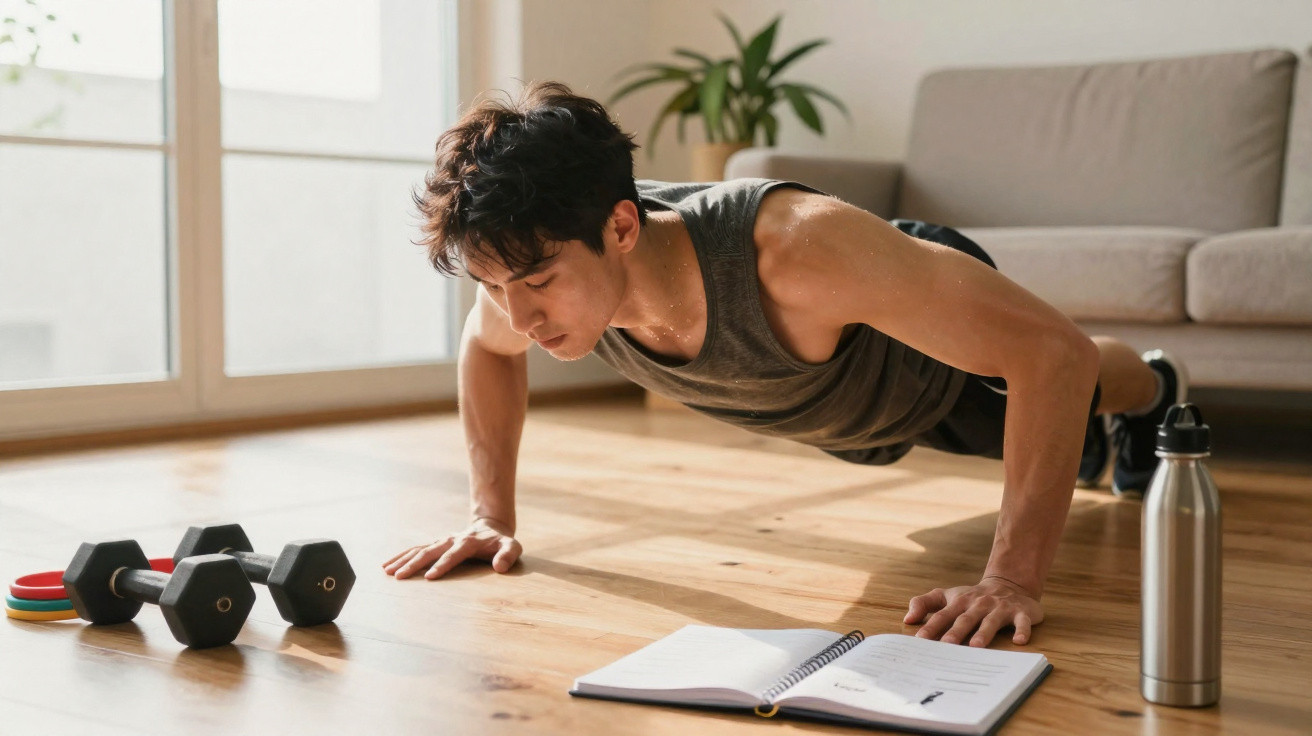
A beginner programme can bring together bodyweight exercises, resistance bands, machines or dumbbells, performed with controlled technique. As movements become easier, resistance should increase gradually so muscles and bones receive a safe, genuinely progressive challenge.
The best stimulus is a combined one
Strength, impact and balance play different roles. Strength training targets muscles and bones, while impact-based activity adds faster forces through the skeleton. Balance exercises reduce the chance of falls and should be included routinely.
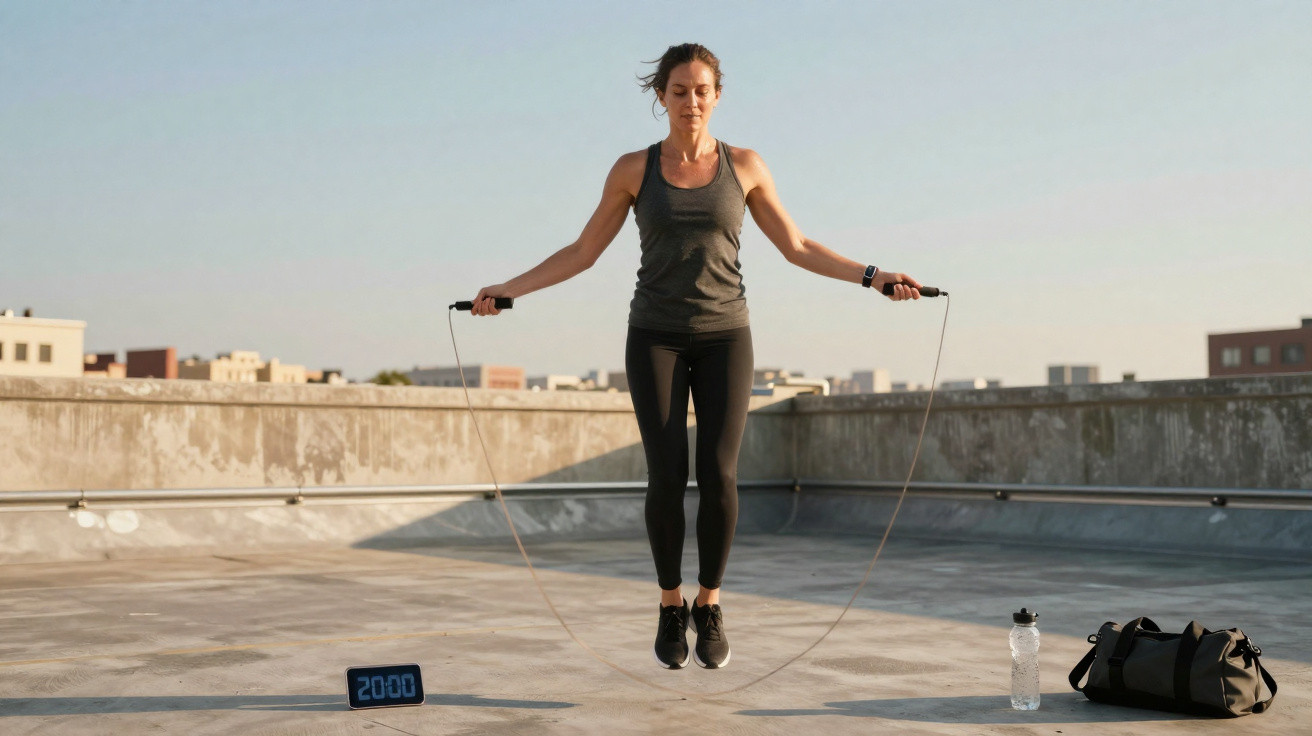
Light jumps, small hops, dance and stair climbing can be added to training, provided there are no contraindications. People who are inactive should start with low-impact movements and build up slowly, rather than copying intense routines without proper assessment or supervision.
A bone-focused routine can include:
- strength training on two or three non-consecutive days each week;
- squats, rows, presses and exercises for the hips and legs;
- step work, dancing or small jumps when they are safe;
- gradual increases in loads without compromising correct execution;
- balance and mobility work to lower the risk of falls.
Why do women after the menopause need special attention?
After the menopause, falling oestrogen speeds up bone loss, which makes strength training particularly important. Regular exercise also helps preserve muscle and stability-two factors that can reduce falls and possible fractures in older women.
Women with diagnosed osteoporosis, vertebral fractures, persistent pain or a history of falls need individual guidance. Jumps and deep spinal flexion may not suit everyone, while modified exercises allow strength to be developed with greater safety.
Before starting more demanding exercise, it is important to:
- tell the professional about any diagnosis of osteoporosis or osteopenia;
- report previous fractures, back pain or frequent falls;
- learn correct posture during weighted exercises;
- adapt jumps and impact work to fitness level and bone density;
- continue any doctor-prescribed treatments when needed.
Do calcium and vitamin D replace exercise for bones?
If you already know about exercise for the heart and circulation, it helps to remember that different goals require different stimuli. For bones, strength training, weight-bearing activity and appropriately adapted impact provide a more specific and efficient combination.
Calcium, vitamin D, an adequate diet and safe sun exposure all contribute to bone health, but they do not replace exercise or medical treatment. Supplements should only be used when advised, because excess can also carry risks; the strongest plan combines nutrition, activity and professional follow-up.



Comments
No comments yet. Be the first to comment!
Leave a Comment