
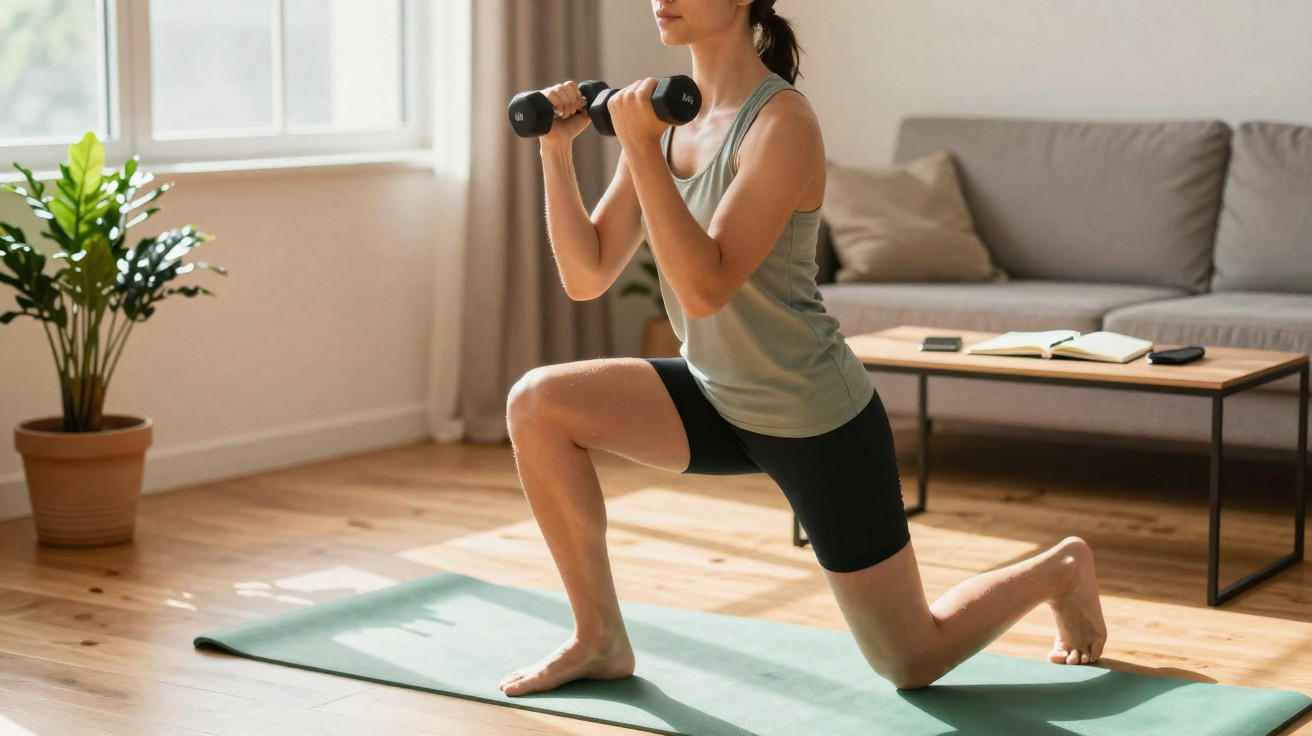
5 kg dumbbells have become a go-to choice because they deliver enough resistance to train arms, shoulders, back, legs and core without forcing your body into compensations like swinging the weight or adopting poor positions. For home workouts, this load makes it easier to repeat movements with control, fine-tune your range of motion, and build progress before moving on to heavier weights.
Why are 5 kg dumbbells a useful benchmark weight?
Sitting between “too light to matter” and “so heavy you can’t control it”, 5 kg dumbbells hit a practical middle ground. They challenge your muscles in exercises such as biceps curls, shoulder presses, bent-over rows, goblet squats and Romanian deadlifts, while still allowing you to adjust your posture mid-set.
Strength-training professionals often emphasise this balance: the load should demand effort, but it must not wreck your technique. If your torso starts rocking, your shoulders creep up, or your lower back loses stability, the weight has stopped helping and has begun to steal the quality of the movement.
How does this load build strength without compromising posture?
Strength training relies on progressive overload, but you don’t need to begin with heavy loads for progress to count. With 5 kg dumbbells, you can slow down the lowering phase, add brief pauses at the hardest point, and increase time under tension.
- During a biceps curl, they make it easier to keep the torso still and avoid swinging.
- In the shoulder press, they help you lift without over-arching your lower back.
- For rows, they provide enough resistance to engage the back and arms properly.
- In squats, they increase effort without needing a barbell or a gym.
Who do 5 kg dumbbells suit best?
This weight generally works well for beginners, people returning to training after a break, and anyone who wants a straightforward home routine. It’s also particularly useful for upper-body exercises, where even small weight changes can noticeably increase difficulty.
For legs and glutes, 5 kg dumbbells may start to feel light fairly quickly. If that happens, you can slow down your reps, switch to unilateral work, or hold two dumbbells together before investing in heavier loads.
How to put together a simple workout with solid technique
Aim to rotate through pushing, pulling, squatting and stabilising patterns. Start with 2 sets per exercise and leave a buffer of 2 or 3 reps before failure, so you finish tired without the movement pattern falling apart.
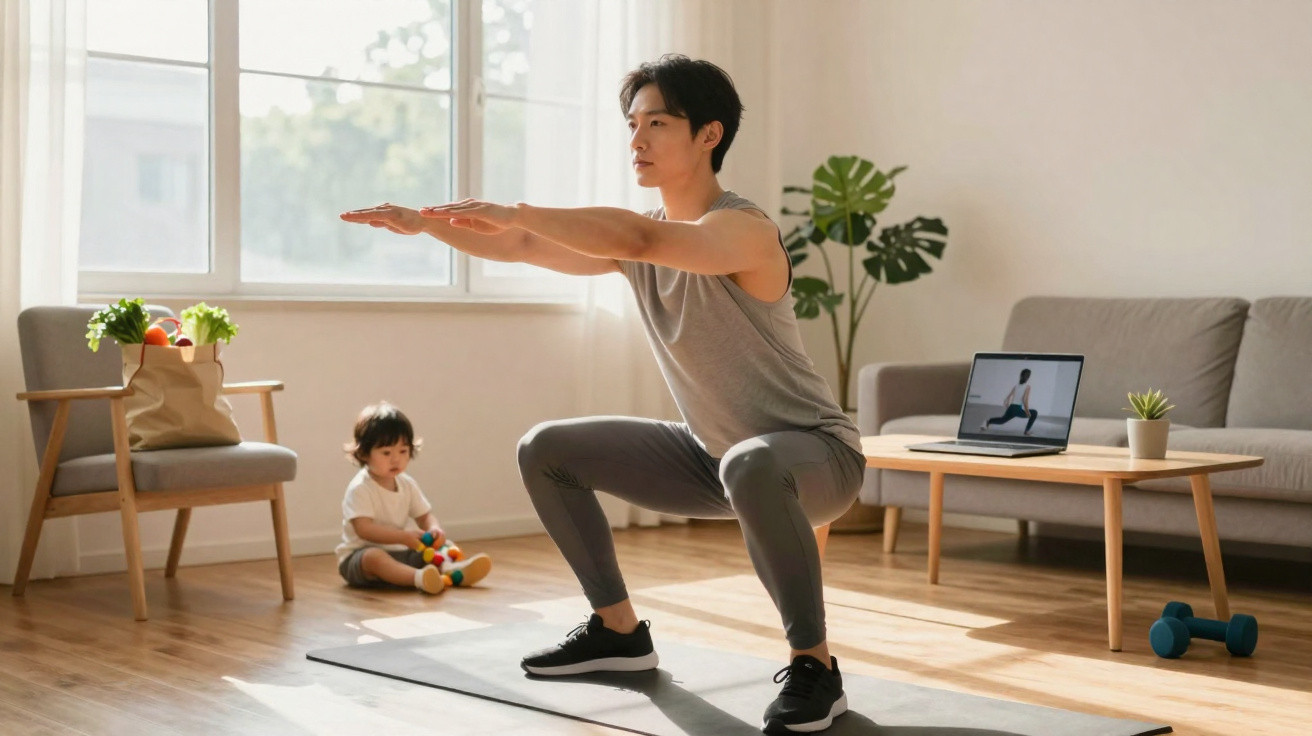
- Dumbbell squat: 8 to 12 reps, holding the weight close to your chest.
- Bent-over row: 8 to 12 reps per side, keeping a neutral spine.
- Shoulder press: 8 to 10 reps, without leaning the torso backwards.
- Romanian deadlift: 8 to 12 reps, hinging at the hips and keeping the weight close to the legs.
- Biceps curl: 10 to 12 reps, with elbows kept close to the body.
The right weight is the one that keeps your form clean
5 kg dumbbells work so well because they let you train strength with attention to detail: feet planted, core braced, spine steady and joints aligned. When execution stays tidy, the muscle gets a genuine stimulus and the risk of compensation drops.
To progress, keep the same load for a few weeks and improve quality first: tighter control on the way down, a pause at the sticking point, and consistently well-executed sets. Once 12 reps feel easy across several exercises, the load is no longer the main challenge-and it may be time to move up in weight or choose a more demanding variation.
Comments
No comments yet. Be the first to comment!
Leave a Comment