
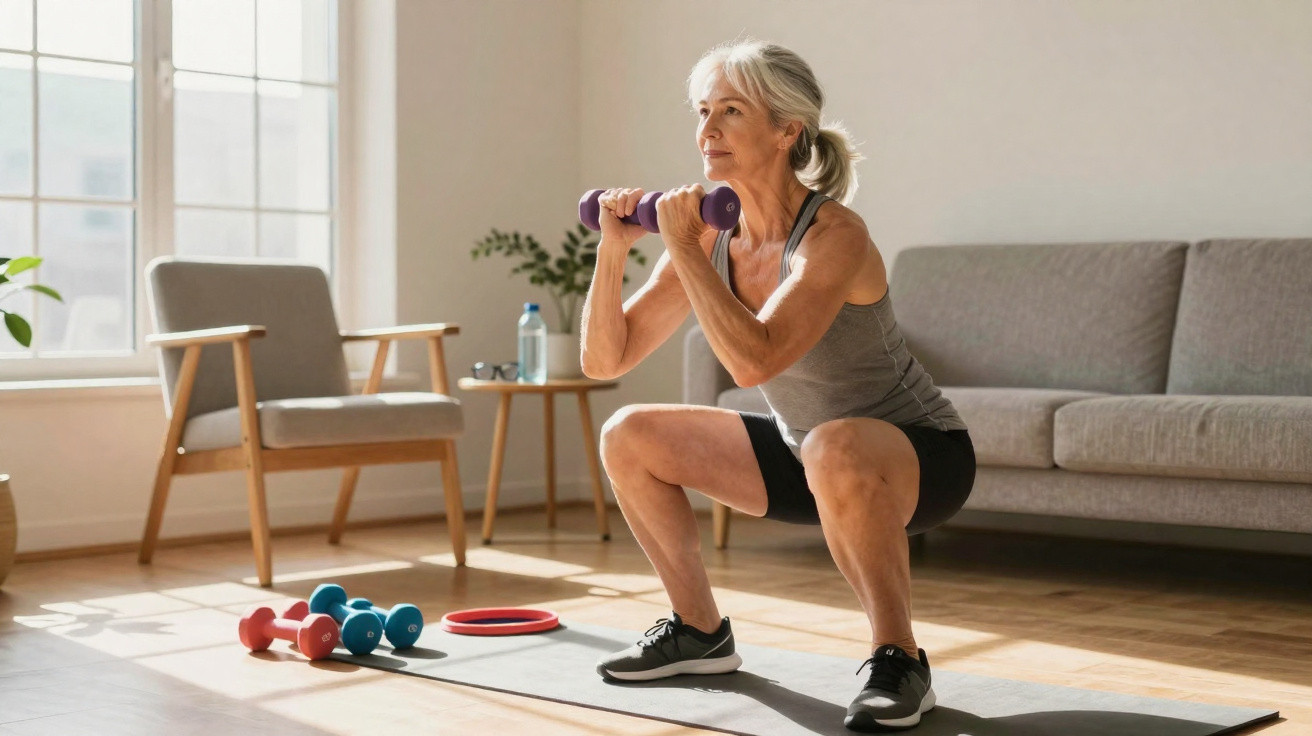
After the age of 60, walking and swimming are still widely recommended, but research points to a different practice as the most decisive for health. The most beneficial exercise for older adults is not gentle aerobic activity, but the kind that restores muscle strength. Grasping this distinction changes how you look after your body at this stage of life and helps you maintain independence for longer.
Why aren’t walking and swimming enough after 60?
Walking and swimming are good for the heart and kind to the joints-there is no argument there. The issue is that they do relatively little for muscular strength, which is exactly what declines most with age. From 60 onwards, the body stops building muscle at the pace it once did, and aerobic exercise on its own does not reverse that downward trend.
What is the most recommended physical activity after 60?
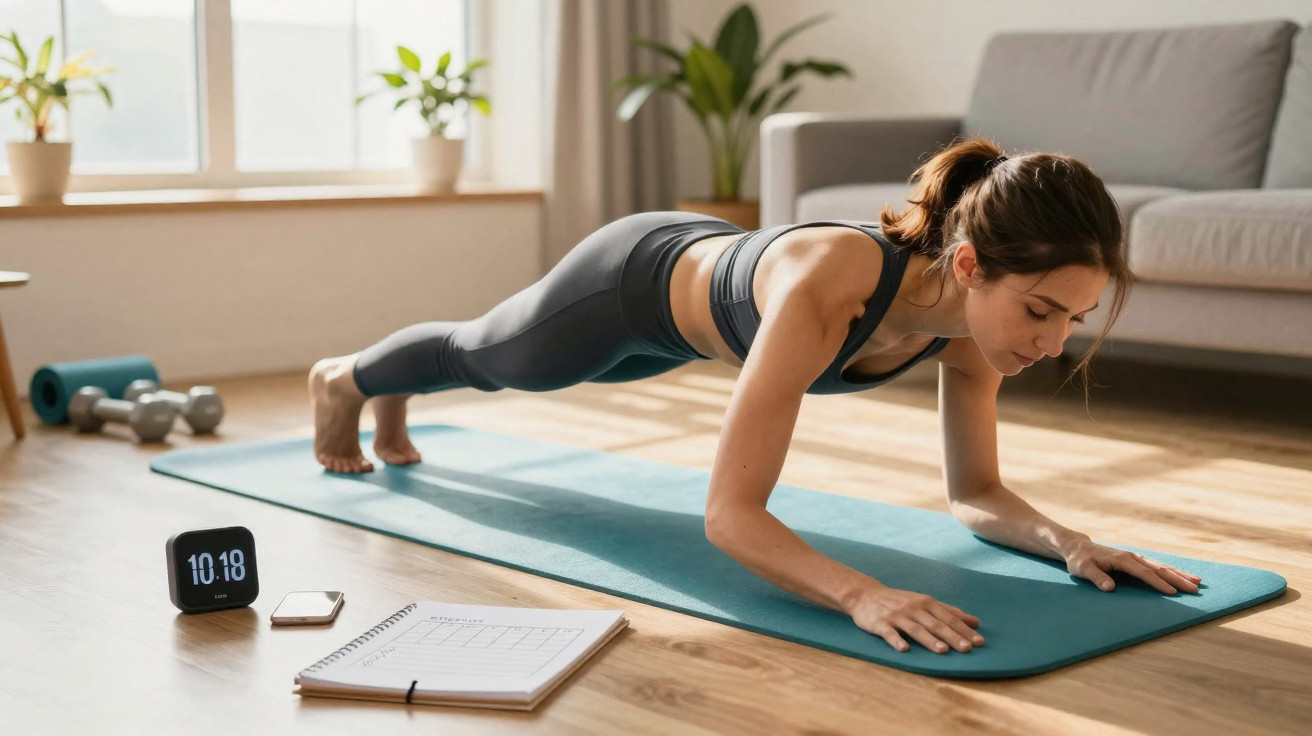
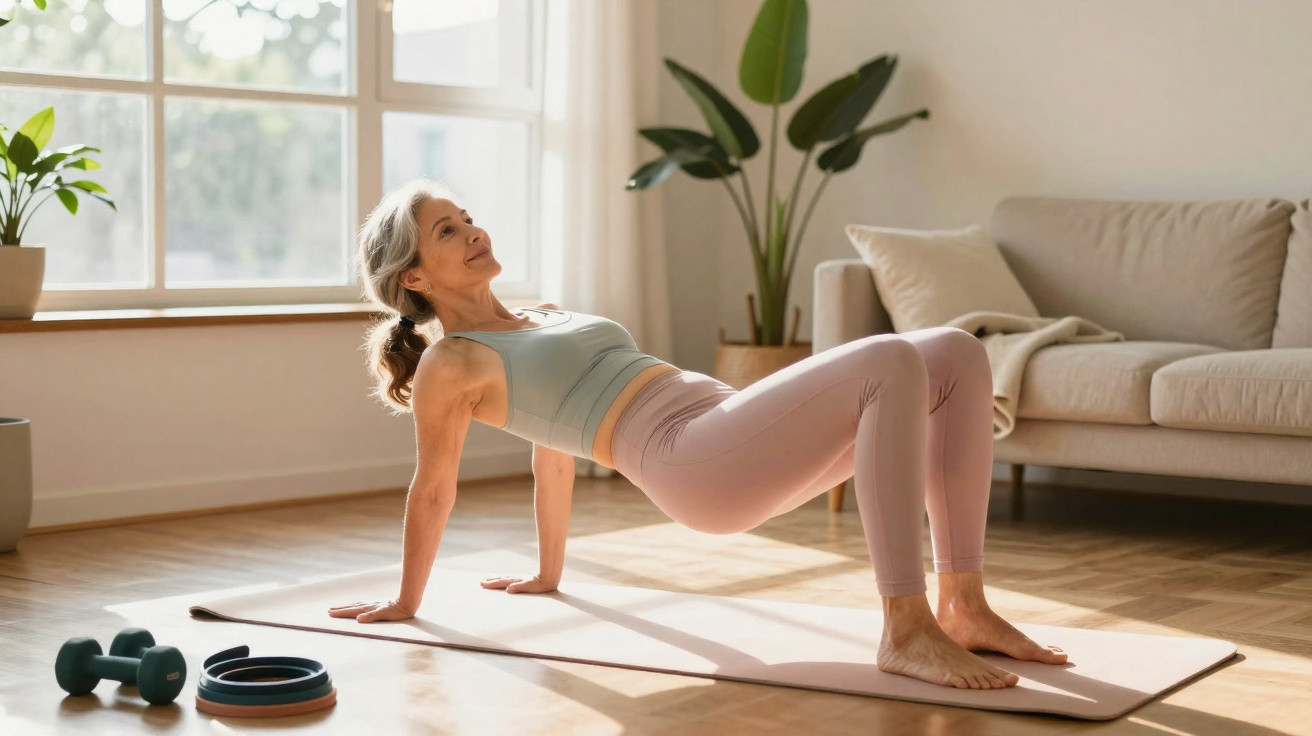
The answer that appears most consistently in studies is strength training, also known as weight training or resistance exercise. Lifting weights, using resistance bands, or working against your own bodyweight encourages the muscles to rebuild. It targets what a walk simply cannot.
You do not need an expensive gym or heavy loads to get started. Straightforward movements-such as repeatedly sitting down and standing up from a chair-already provide a strength stimulus. What truly matters is consistency and gradually making the exercises more challenging over the weeks.
What does sarcopenia have to do with ageing?
Progressive muscle loss has a name: sarcopenia. It can begin subtly around the age of 40 and tends to accelerate after 60. The less muscle you have, the higher the risk of falls, fractures, and losing your independence. Strength training is currently the most effective exercise for older adults against this process.
How can older adults start strength training safely?
Safety should come before any increase in load. Older adults with high blood pressure, heart conditions, or joint problems should speak to their doctor before beginning. A simple assessment helps prevent injuries and matches the effort to each person’s situation.
With professional clearance, a few measures make the first steps smoother:
- Start with two to three sessions per week, always leaving rest days between them
- Focus on correct technique before increasing the weight or resistance
- Train the legs, hips, and core, which support the body’s balance
- Seek guidance from a qualified fitness professional during the first few weeks
Which benefits go beyond the muscles?
Building strength does not only improve appearance or posture. Resistance training creates effects that reach the whole body and make day-to-day life easier. Research-backed benefits include:
- Denser bones, with a lower risk of fractures after a fall
- Better control of blood glucose and blood pressure
- More stable balance, reducing the likelihood of trips and falls
- More energy for everyday tasks such as carrying shopping and climbing stairs
The movement that restores independence after 60
Keeping muscles active is what, for many older adults, separates a dependent old age from one lived with freedom. People who train for strength are better able to get up from the sofa, climb stairs, and play with grandchildren without constant fear of falling. Loss of muscle mass is not inevitable, and the body responds to stimulus at any age.
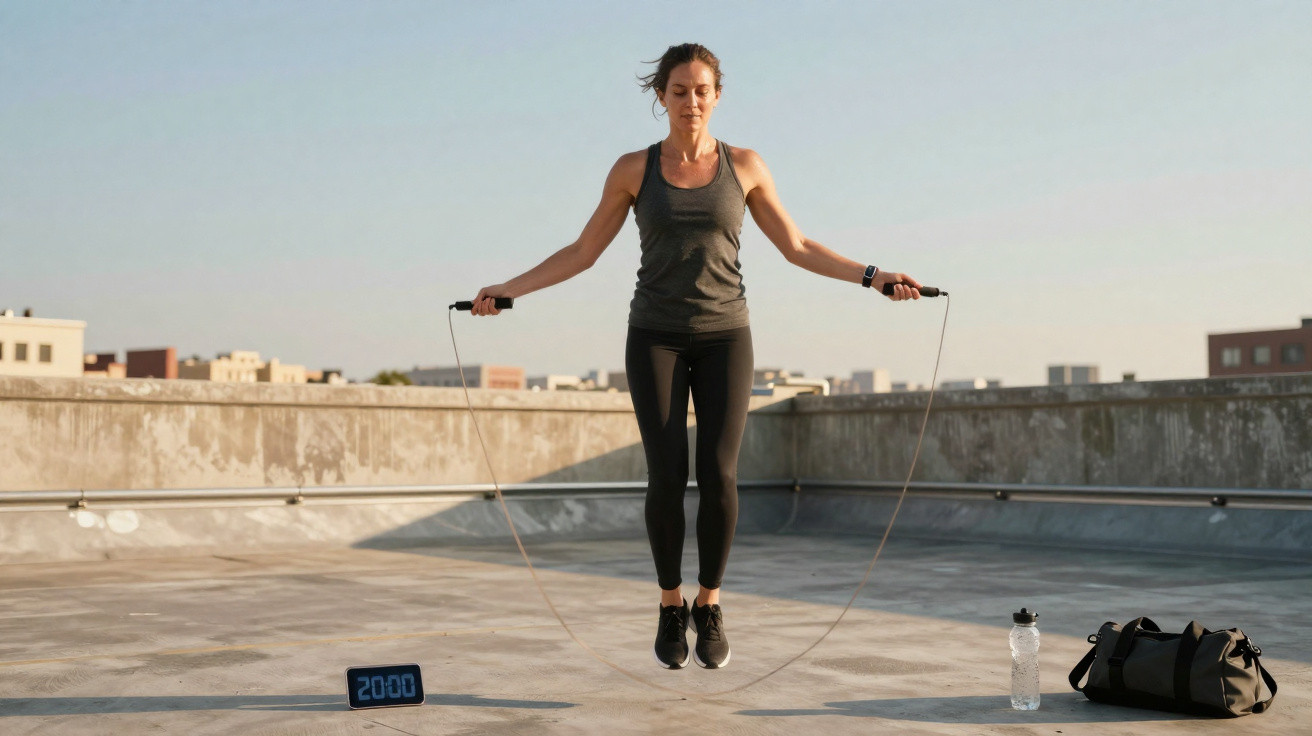
Walking and swimming remain valuable and can complement strength training, but they should not replace it. Combining all three practices provides the most complete care for an ageing body. The aim is not simply to add years, but to arrive there with strong legs and preserved independence.


Comments
No comments yet. Be the first to comment!
Leave a Comment