

If you do Pilates, you already know how much it can change your posture, balance and body awareness. But when the goal is firmness at the back of the arms, experts are clear: you need to do more - and one exercise, in particular, leads the way by a long margin.
What Pilates does well - and where it reaches its limit
Pilates is a highly effective tool for improving core stability, shoulder alignment and overall mobility. Those benefits are real, and they show up in everyday life - from how you sit at a desk to how well you perform other forms of exercise.
The catch is that, to tackle flabbiness in the arms, the triceps must receive progressive strength stimulus - something Pilates on its own usually does not provide at the necessary intensity. That is where the diamond push-up comes in: an exercise that targets the back of the arm in a strong, efficient way.
- Triceps in focus: the diamond push-up places intense emphasis on the back of the upper arm - the area responsible for firmness
- Pilates as a foundation: it improves posture, stability and body control, making other exercises safer and more effective
- Hand placement: the fingers form a diamond on the floor, with thumbs and index fingers touching - that detail changes everything
- Consistency is non-negotiable: two or three sessions per week are enough to create the muscle stimulus needed for hypertrophy
- Good form protects your joints: keeping elbows close to the body and hips steady helps avoid overload in the shoulders and wrists
The hand position that changes the whole movement
In the diamond push-up, your hands are placed so that your thumbs and index fingers touch, creating a diamond shape. This small adjustment brings the supports closer to the body’s centre and forces the triceps to take on far more of the workload, unlike a standard push-up where the chest tends to dominate.
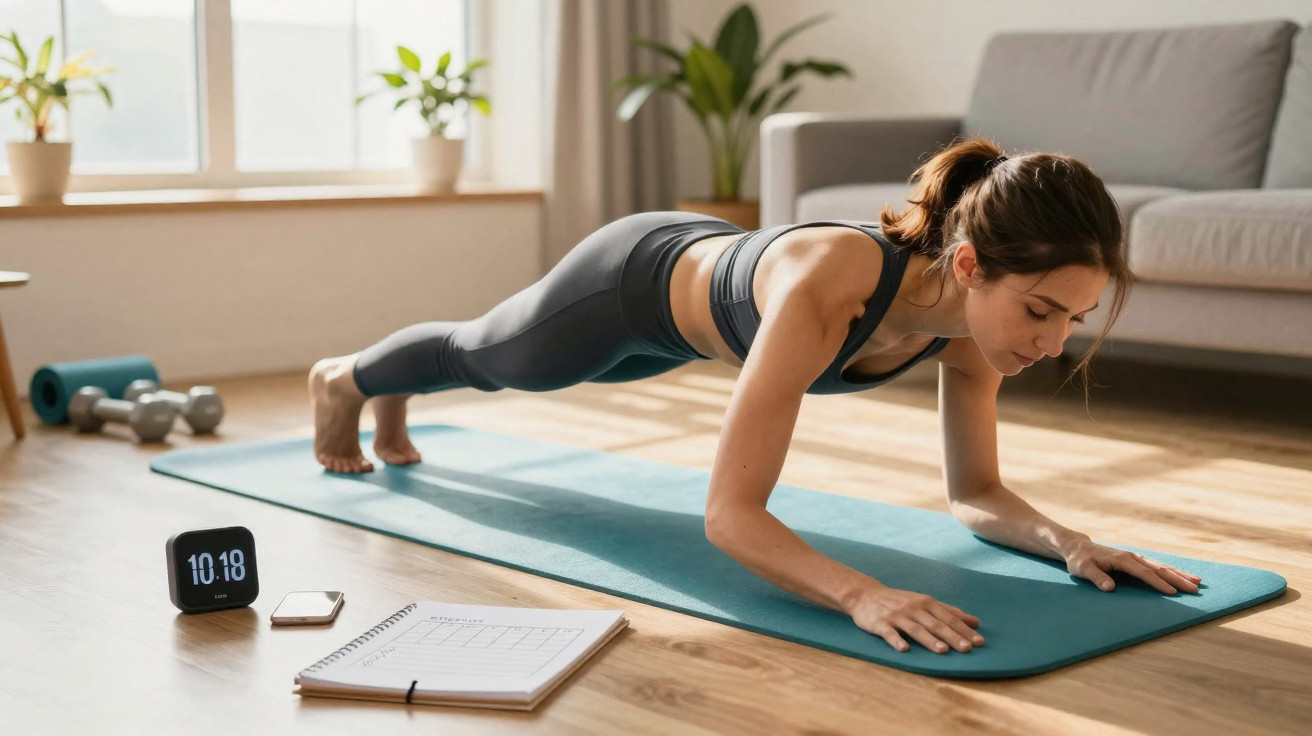
To make the exercise effective - and to avoid injury - keep the body in a straight line from heels to head, lower with the elbows tracking close to the torso, and press back up under control. Rushing through reps with poor alignment is the quickest route to getting hurt, not getting results.
New to the exercise? There is a gentler starting point
The classic diamond push-up can feel out of reach if you are still building arm strength. The good news is that modifying the exercise is not cheating - it is smart. Dropping to your knees or placing your hands on a sturdy bench reduces the amount of bodyweight you have to move while keeping the emphasis on the triceps.
When pain is a cue to adjust
Wrist, shoulder or elbow pain needs immediate attention
If you feel joint discomfort during diamond push-ups, start by shortening the range of motion or adjusting the angle of your hands. Sometimes small changes in how you set your supports are enough to remove unwanted strain entirely.
A safe alternative is a resistance-band triceps extension, which keeps the muscle working without putting pressure through the wrists. The aim is steady progress, not forcing your body before it is ready.
Sticking with the progression patiently is what separates people who see results from those who give up in week two. The triceps respond well to consistent, gradually increasing stimulus, as long as you allow enough recovery time between sessions.
Exercises that pair well with the diamond push-up in your routine
The diamond push-up works even better when it sits inside a balanced training plan. Pulling movements, such as band rows, and stabilisation drills, such as a plank with shoulder taps, round out the session and help prevent muscular imbalances that can affect posture over time.
An overhead triceps extension with a dumbbell or band, as well as bench triceps dips, are excellent additions if you want more training volume without overloading the shoulder joint. The key is controlled variety - not piling on exercises without a clear plan.
How long does it take to see firmer arms?
Training your arms consistently two or three times per week is enough to create the stimulus needed for muscular adaptation. Rest between sessions is part of the process: recovery is when the muscle repairs and becomes stronger. People who combine the diamond push-up with Pilates and a balanced diet typically notice visible changes after six to eight weeks of regular training.
No single exercise will fix arm flabbiness overnight, but the diamond push-up is, by far, one of the most effective ways to start on the right foot. With solid technique, gradual progression and consistency, results follow.
If this tip was useful, share it with someone else who is also looking for a more effective arm workout.


Comments
No comments yet. Be the first to comment!
Leave a Comment