
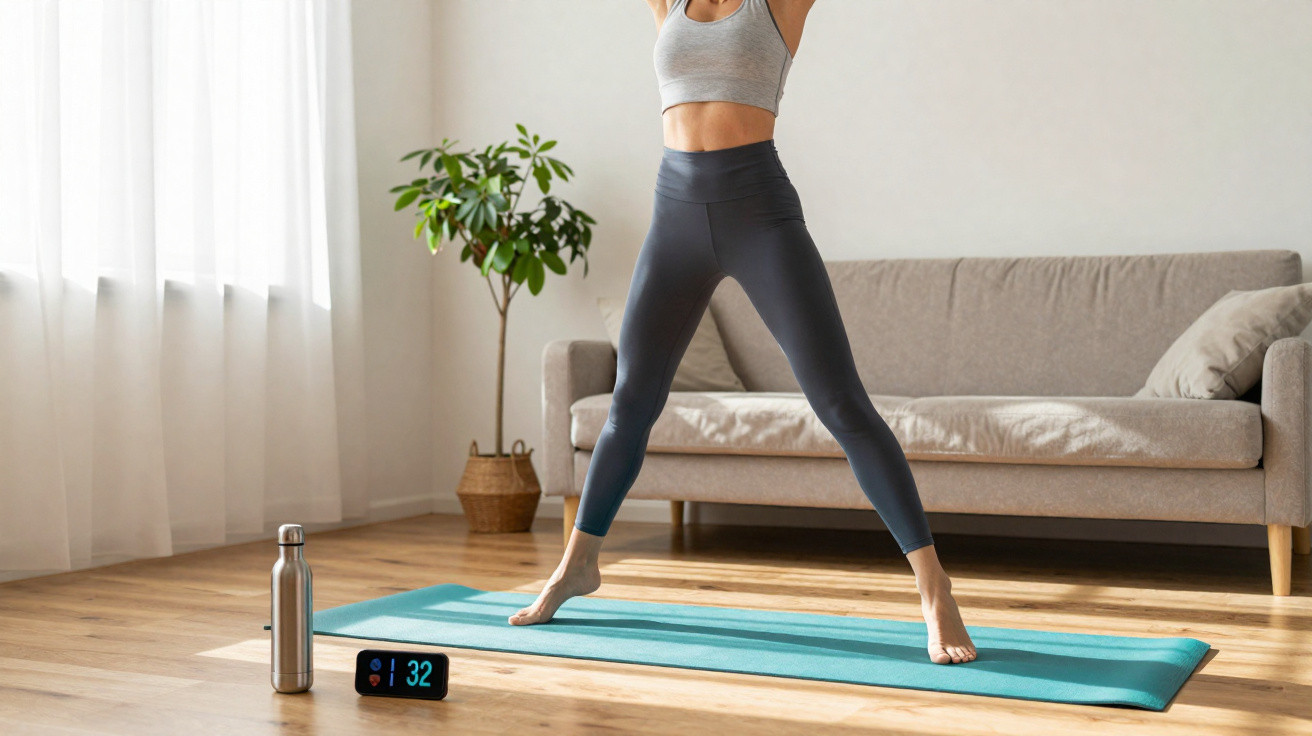
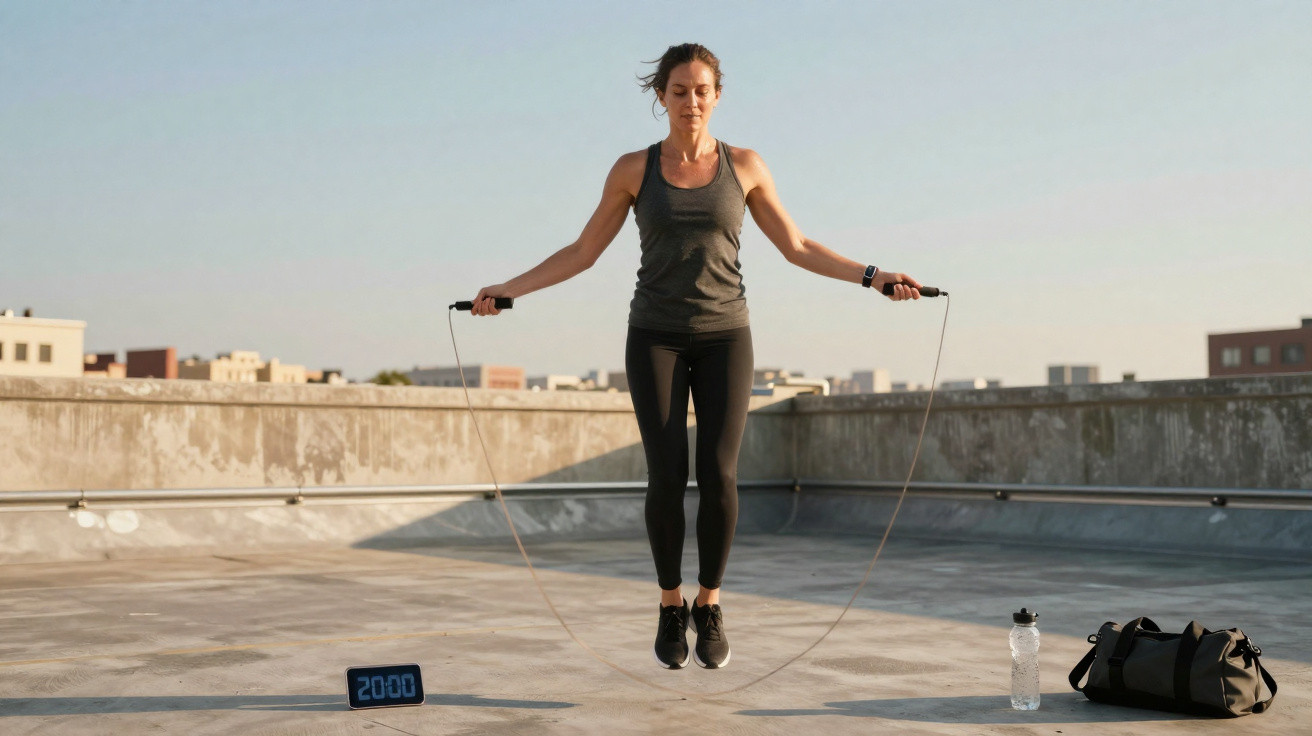
If you are looking for an alternative to a skipping rope to help slim the waist and reduce measurements around the midsection, jumping jacks have become a simple, effective option. This jump-based move-opening and closing the arms and legs-is quick to pick up, needs no equipment, and works in small spaces, which suits anyone training at home. As well as involving the whole body, it raises your heart rate within seconds, increasing calorie burn and supporting a reduction in fat around the belly area.
How does the jumping jack help you lose belly fat?
In practical terms, the jumping jack is a full-body aerobic exercise that increases oxygen demand and gets your heart pumping within minutes. That higher effort makes your body use more energy, which means greater calorie expenditure and, over time, a drop in overall body fat-including in the abdominal area.
Even though you cannot remove fat from only one specific spot, the belly region benefits as part of this broader process. Keeping the core switched on throughout also supports the deeper abdominal muscles, helping the waist look more "tucked in" and the belly appear less pushed forwards.
What is the correct jumping jack technique to focus on the belly?
For a jumping jack to lose belly fat to deliver good results, proper form matters. Start standing tall with feet together and arms by your sides. Jump out so your feet land wider than shoulder width while your arms sweep up to meet above your head; then jump again to return to the starting position.
Keep your abdomen gently braced, spine upright, and knees tracking in line with your feet-rather than letting them "collapse" inwards. Aim for a smooth, continuous rhythm with steady breathing (do not hold your breath). There is no need to go at maximum speed; prioritise stable posture and joint-friendly movement.
How should you structure jumping jack sets to reduce abdominal fat?
The ideal amount of jumping jacks to lose belly fat depends on your current fitness. If you are new to exercise, begin with 20–30-second blocks and short rests. Progress to 40–50 seconds when you can still manage to speak in short phrases while moving.
To build a more rounded home session, it helps to pair jumping jacks with other moves that keep you working continuously and raise the total calorie burn for the workout.
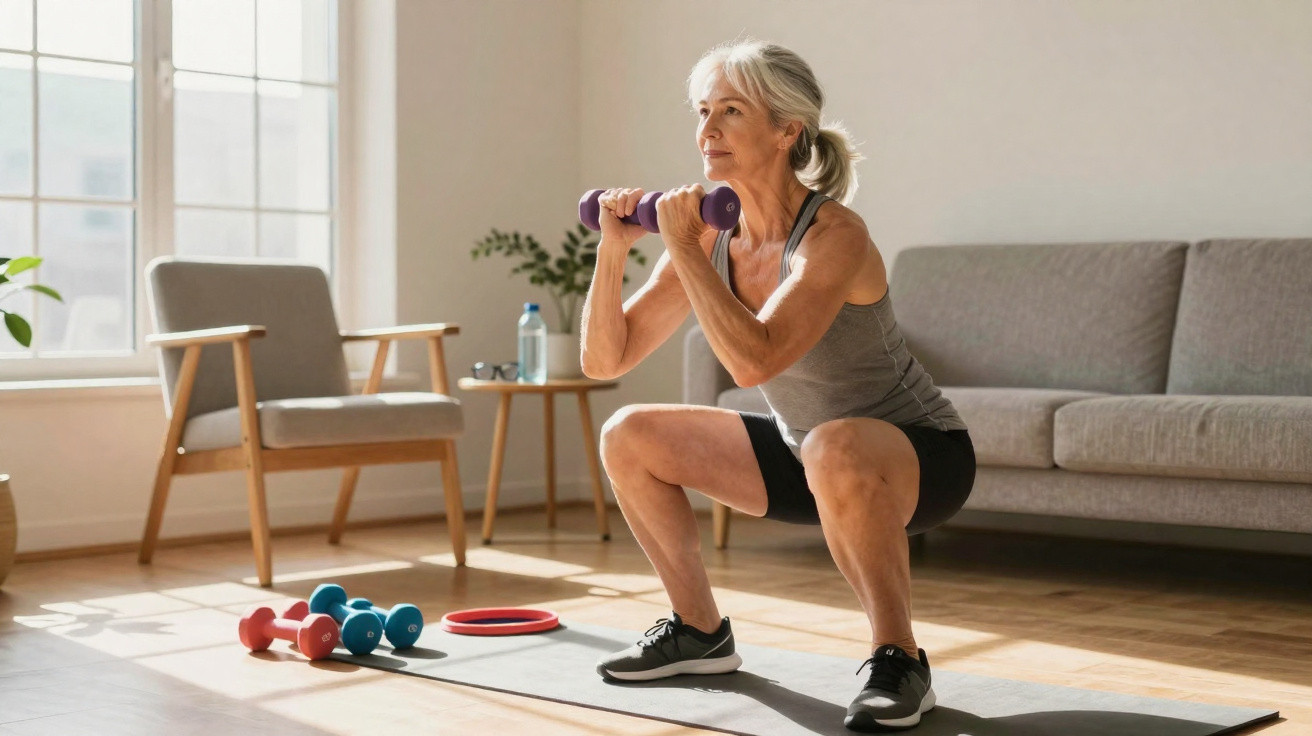
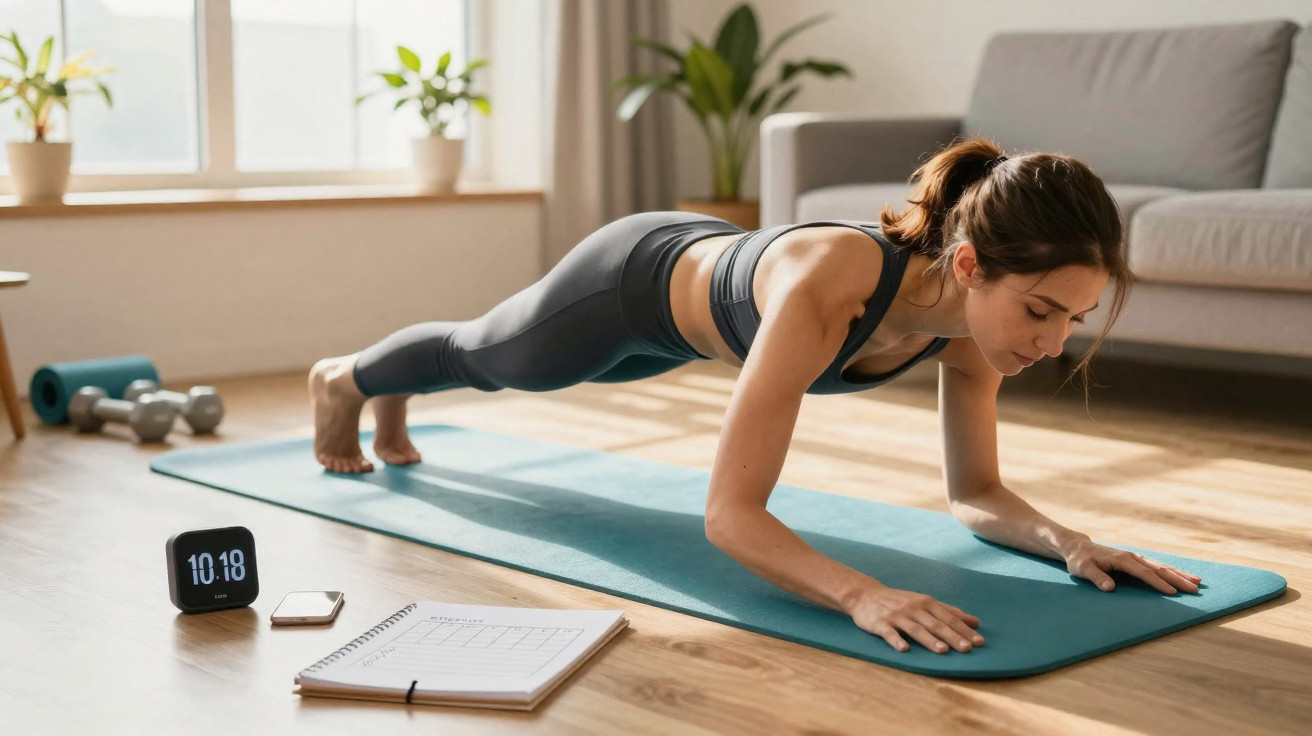
- Alternate jumping jacks with squats, planks, or low-impact modified jumping jacks.
- Train 3 to 5 times per week, building up to 15 to 25 minutes of aerobic work.
- Use a watch or an app to time work and rest intervals.
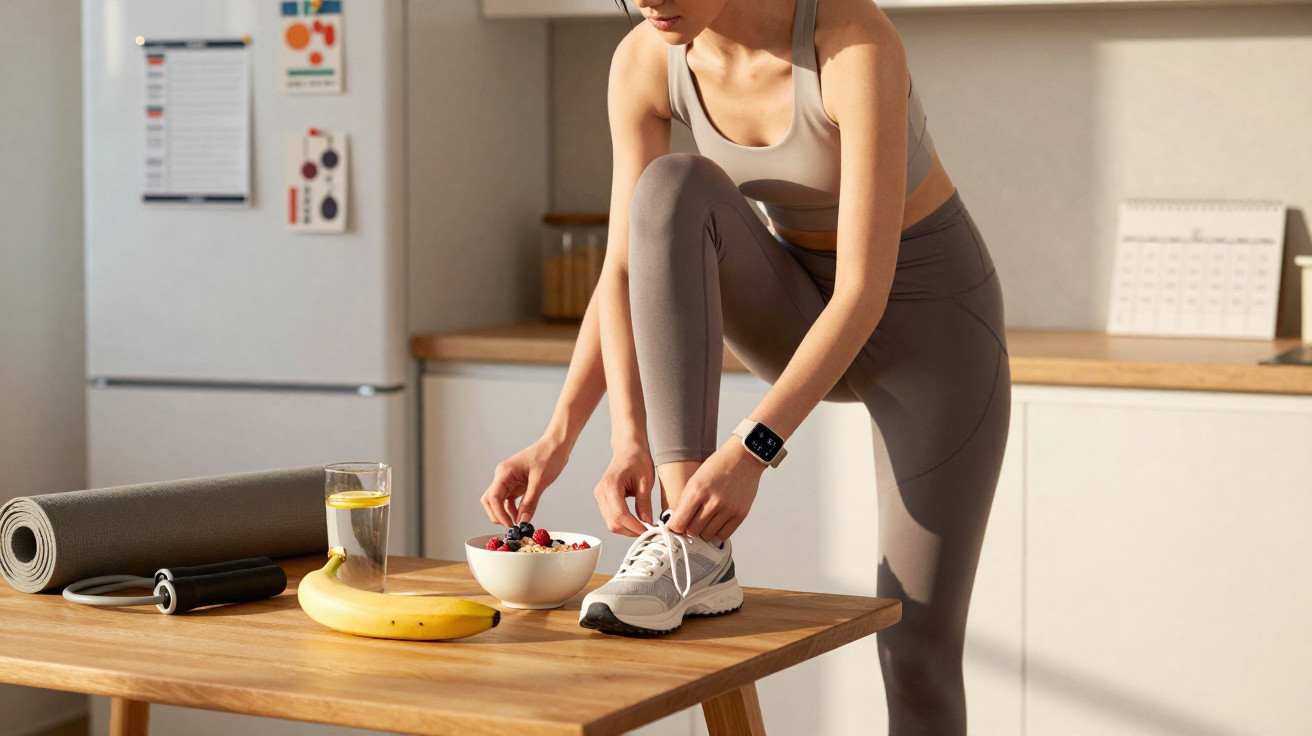
- Combine training with a balanced diet, adequate sleep, and good hydration.
What extra benefits and precautions come with the jumping jack?
Beyond helping to slim the waist, the jumping jack strengthens the thighs, calves, glutes, shoulders, and upper back. It also improves cardiorespiratory endurance, coordination, and agility, making it a practical way to break up inactivity for anyone who spends long hours sitting.
If you have pain in your knees, ankles, or back, be mindful of the repeated impact from jumping. You may prefer a lower-impact version, stepping the feet out and in while alternating foot contact with the floor. Wearing trainers with good cushioning, starting at a moderate pace, paying attention to dizziness or marked shortness of breath, and scheduling rest days can all make a jumping jack to lose belly fat safer and more effective within an overall health plan.
Comments
No comments yet. Be the first to comment!
Leave a Comment