
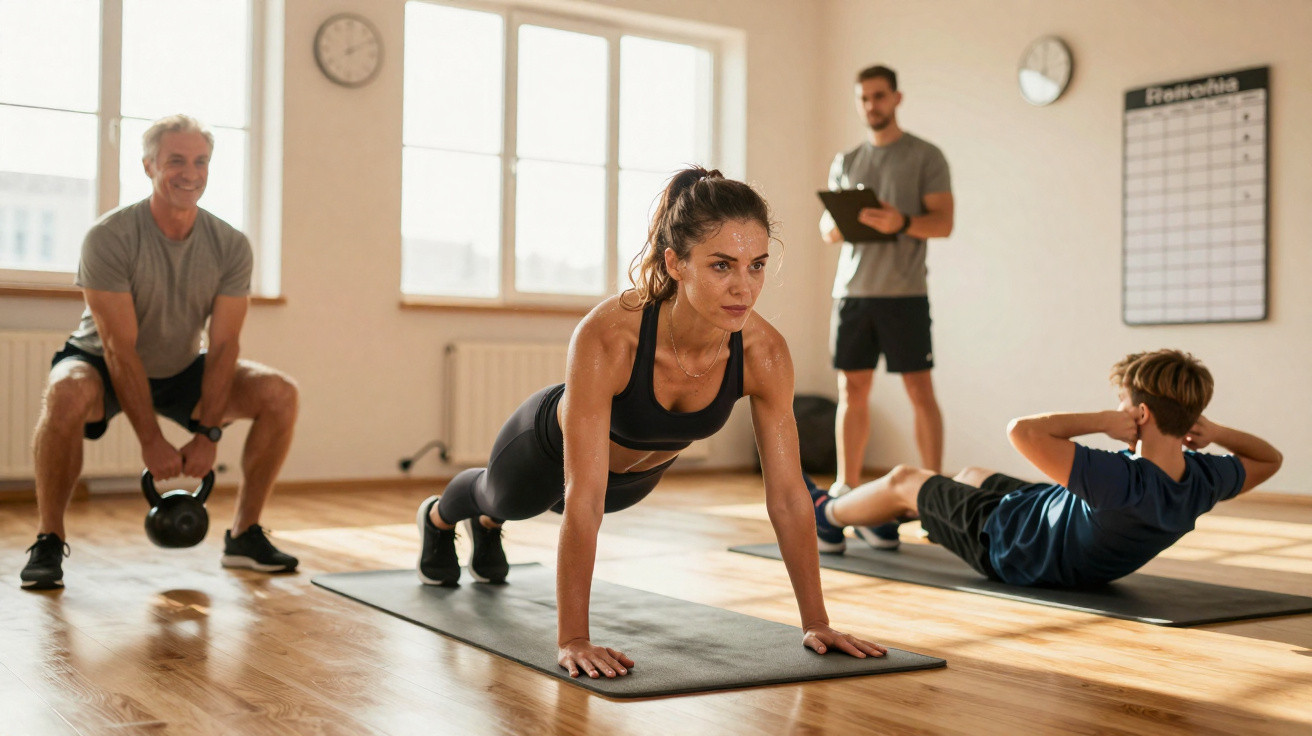
Knowing how many sit-ups, press-ups and squats you should be able to do at different ages is a practical way to run a simple physical fitness check and track how you’re progressing over the years. Even though everyone is different, exercise professionals use benchmark ranges to help flag whether someone’s strength, stamina and mobility are broadly where they should be. More important than hitting an exact figure is recognising what these movements say about your overall health and your ability to handle everyday tasks safely and independently.
Why does physical fitness change with age?
Ageing brings normal, gradual changes in the body, including a steady decline in muscle mass, strength and endurance. This process can start from around your 30s, although how quickly it happens depends heavily on your lifestyle and routine.
Staying active helps slow down these losses. People who exercise regularly typically keep better mobility, balance and strength for much longer, which supports independence in day-to-day life.
How many sit-ups, press-ups and squats should you be able to do at each age?
These three exercises are often used as straightforward indicators of physical fitness. Each one challenges different muscle groups and, together, they offer a quick snapshot of how well the body can perform functional movements.
Based on benchmarks commonly used by coaches and specialists, the figures below can be used as a guide for different age bands:
- Sit-ups: 40 to 50 repetitions from ages 20 to 29, gradually decreasing to 10 to 20 repetitions after 60.
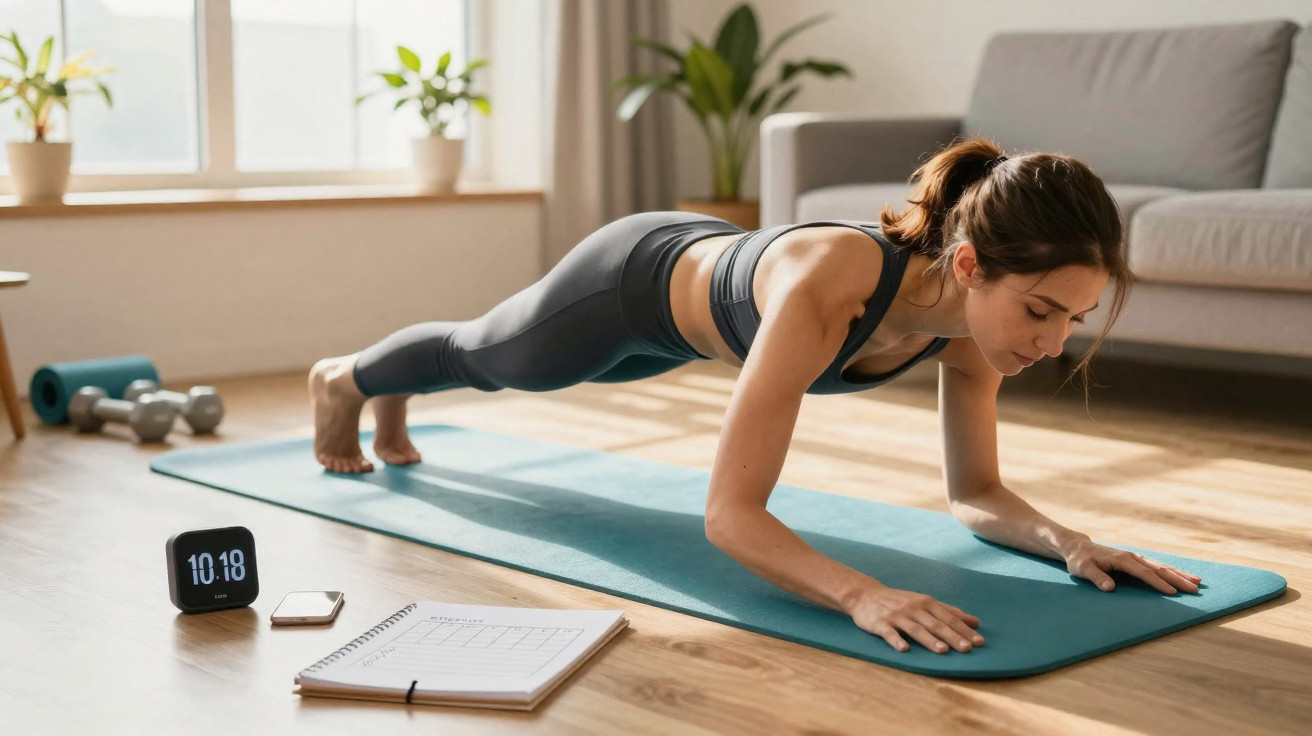
- Press-ups: 15 to 30 repetitions from ages 20 to 29, falling to around 5 to 10 repetitions after 70.
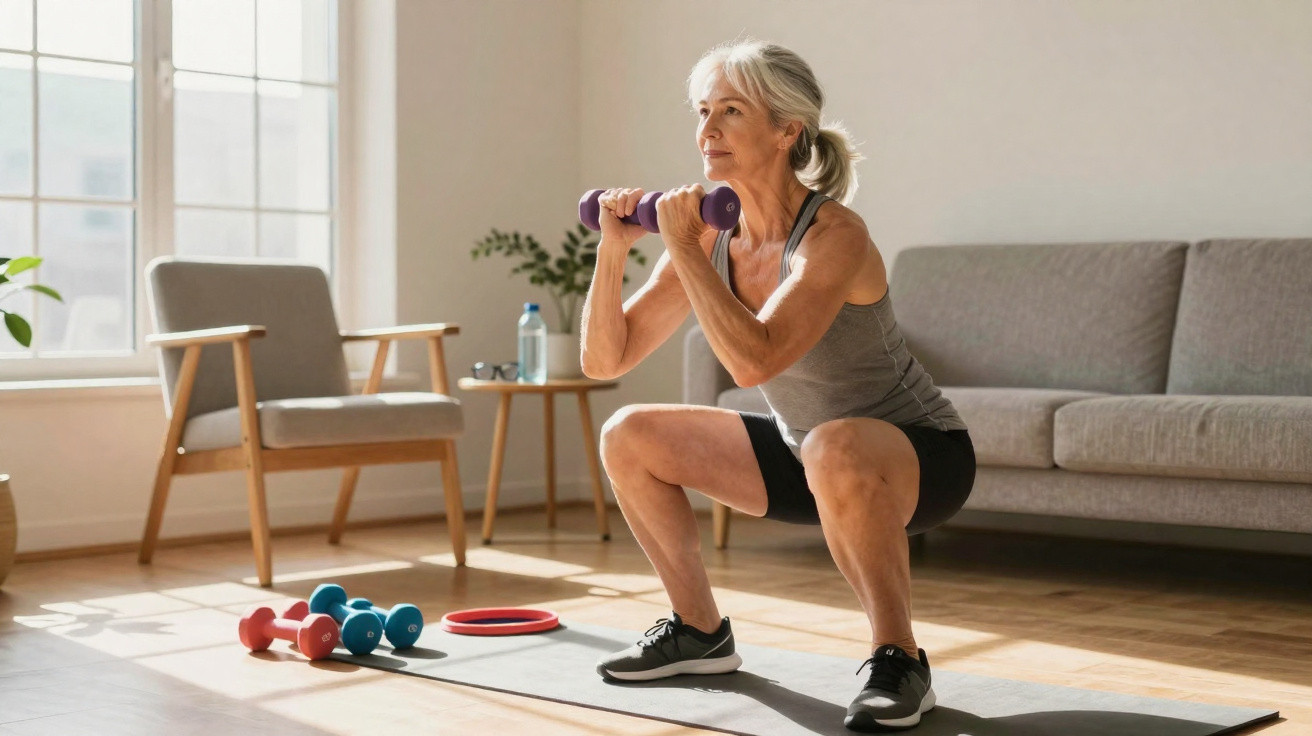
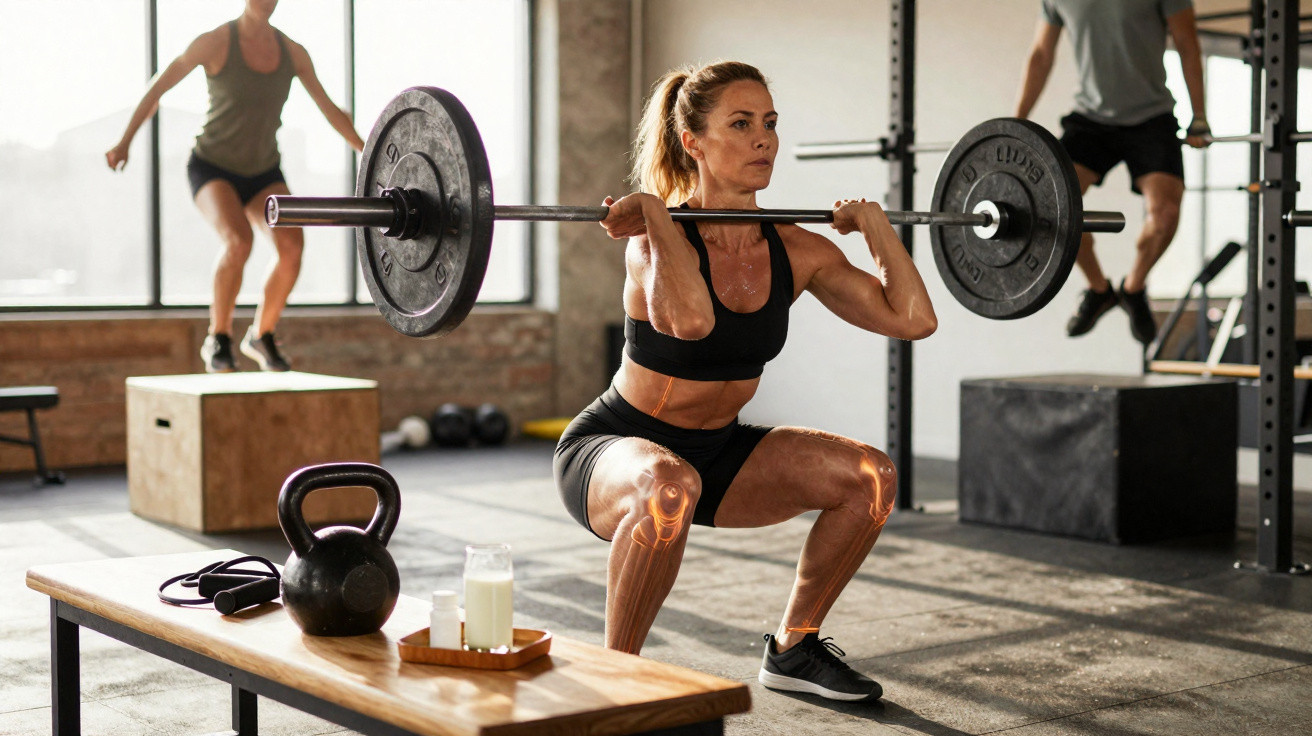
- Squats: roughly 50 repetitions up to age 49, about 40 between 50 and 59, and 20 after 70.
What health benefits do these exercises provide?
Sit-ups, press-ups and squats target muscle groups that are key for core stability, posture and everyday movement. They also require very little space and can be done without complicated equipment.
To explain the deeper impact these movements can have beyond strength alone, the specialist Marci from the @enfermagemflorence channel outlines the main biological benefits of exercising regularly for our health in the video below. Watch:
What if you can’t reach these targets?
Missing the “ideal” numbers does not automatically mean there is a health issue. Previous injuries, a sedentary lifestyle, medical conditions and individual differences can all have a significant effect on performance.
What matters most is steady, consistent improvement over time. With appropriate training, a balanced diet and professional guidance when needed, you can develop strength, endurance and mobility at any age. Treat the figures as reference points-while keeping up regular exercise remains the single most important factor in supporting an active, healthy life.

Comments
No comments yet. Be the first to comment!
Leave a Comment