
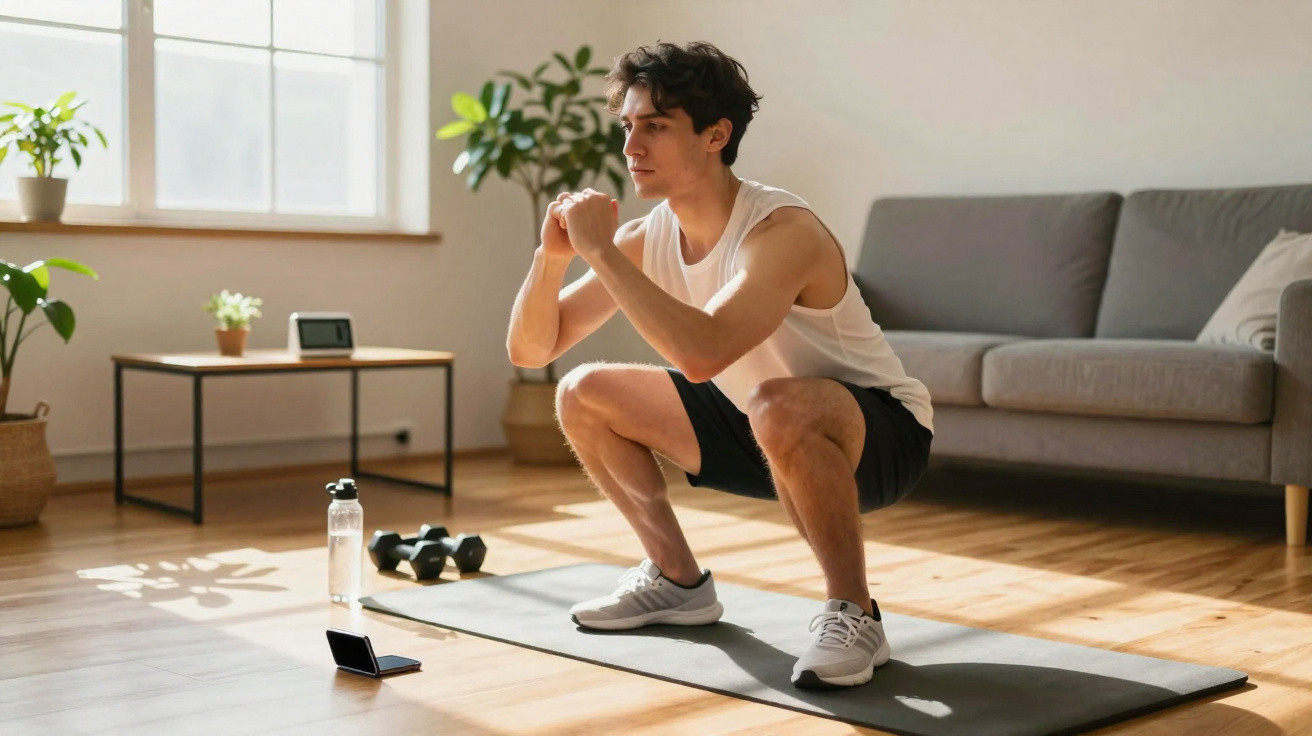
The intermittent squat has become increasingly popular with people aiming for weight loss, improved fitness conditioning, and better use of limited training time. Unlike the classic approach done in uninterrupted sets, this method alternates bursts of hard effort with short rests, creating a stronger metabolic stimulus. The outcome is higher energy use during the session, plus continued calorie burning after you finish, making it a strong choice for anyone who wants results with fewer weekly workouts.
Why does the intermittent squat increase calorie burn?
The key feature of the intermittent squat is the switch between work and recovery. That back-and-forth forces the body to keep adjusting to changes in intensity, which drives up energy demand throughout the entire workout.
Changing the effort like this directly affects the main variables in physical training. To better understand how intensity connects with workout duration and frequency to produce real results in the body, watch the video from @Marcio Atalla, in which he explains in detail why balancing these stimuli matters.
What are the benefits of varying intensity during training?
When the pace changes, different muscle groups tend to be recruited more effectively. This raises the overall physical demand and improves the body’s ability to use energy across the day.
Among the most commonly observed benefits of this type of training are:
- Greater muscle activation during the movement.
- A higher heart rate in less time.
- A faster metabolism after the workout.
- Improved overall fitness conditioning.
- Training time optimisation.
How can you build an effective intermittent squat session at home?
One major advantage of this method is convenience. You can do it at home without equipment, using only your bodyweight and a few spare minutes in your routine.
A simple, effective structure can be set up like this:
- 30 seconds of squats at high intensity.
- 15 seconds of rest.
- Repeat the cycle 8 to 12 times.
- Do a light warm-up before the session.
- Stretch at the end of the workout.
Why is this method ideal if you are short on time?
Long workouts do not always fit into a busy schedule. The intermittent squat lets you pack a high amount of effort into just a few minutes, delivering a tough stimulus even in short sessions.
That is why the method is particularly appealing for anyone who wants to lose weight, improve fitness conditioning, and increase calorie burning without needing to train every day. With proper planning and correct execution, you can achieve consistent results while spending less time per week exercising.





Comments
No comments yet. Be the first to comment!
Leave a Comment