
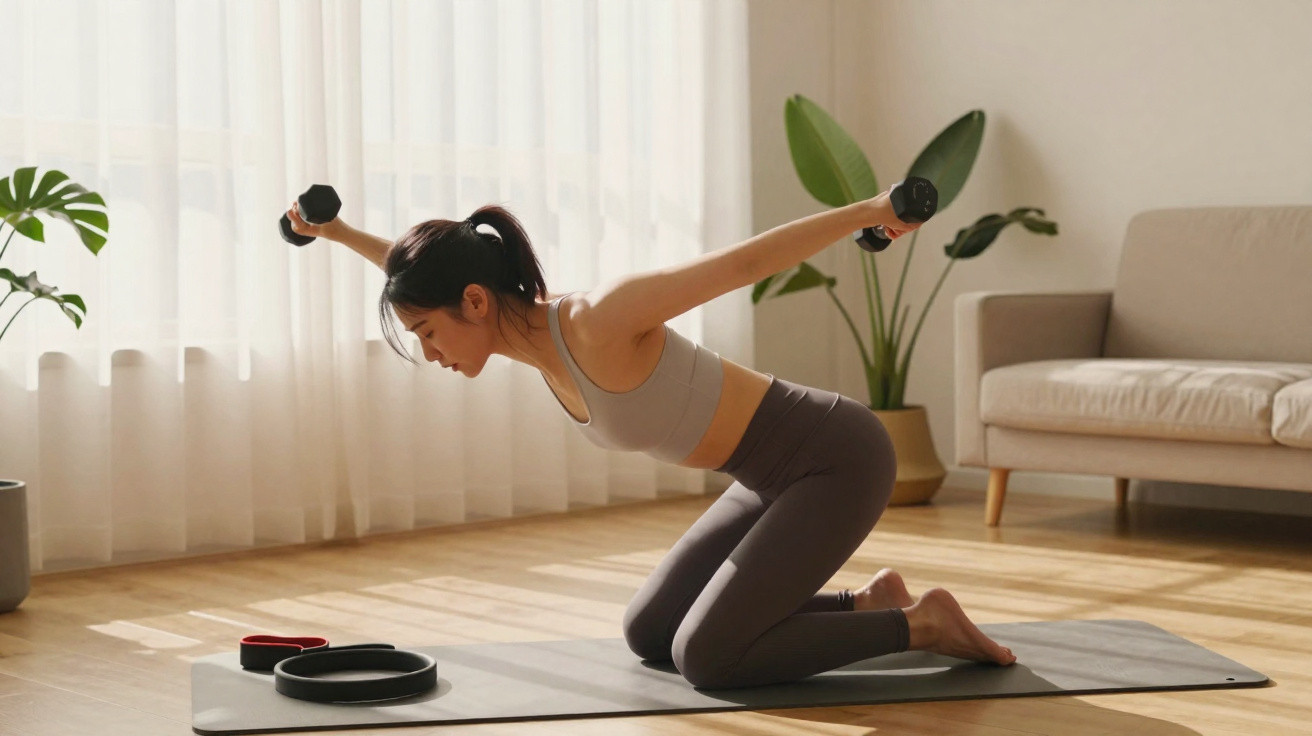
Pilates can sharpen body awareness, improve mobility and refine movement control, yet it does not always provide a strong enough stimulus to increase arm muscle size. If your aim is to reduce the look of arm flabbiness, progressive resistance strength training with resistance typically delivers clearer changes in the triceps.
Why doesn’t Pilates always reduce arm flabbiness?
Pilates can build strength in the upper limbs, particularly when classes use springs, resistance bands or bodyweight support. Even so, many sessions place most emphasis on the abdomen, posture and stability, which can leave the triceps working against lighter resistance than you would use in a targeted training programme.
To improve muscle firmness, the arm needs a challenge that increases over the weeks. Doing the same movement repeatedly with the same resistance may enhance coordination, but it often restricts the muscle growth required to noticeably change the shape of the area.
What is the most effective exercise to strengthen the back of the arm?
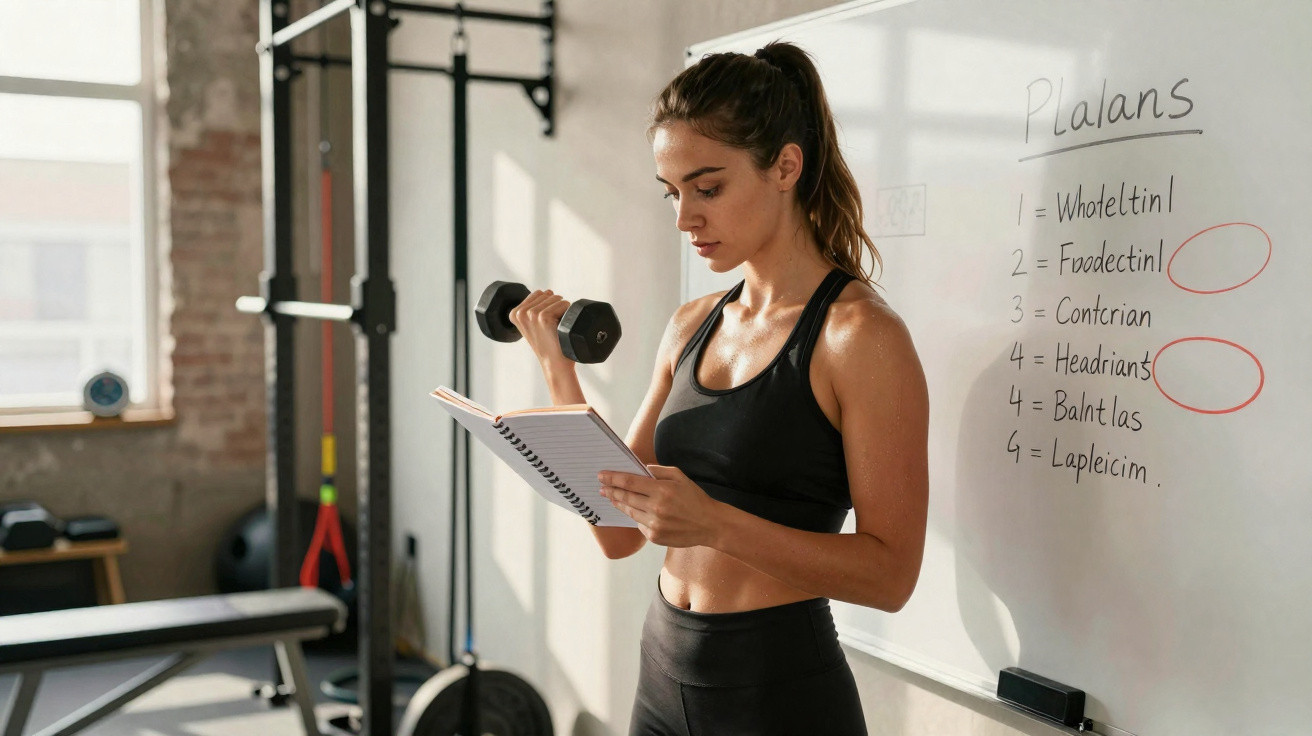
Rather than relying on a single move, the most suitable approach is strength training with resistance. Elbow-extension exercises directly load the triceps and can be adjusted using dumbbells, cables, resistance bands or bodyweight:
- Overhead dumbbell triceps extension;
- Cable triceps pushdown with a bar or rope;
- Press-ups with a narrower hand position;
- Close-grip bench press;
- Triceps extension with a resistance band.
Does strength training remove all arm flabbiness?
The term flabbiness can refer to different situations. Sometimes the appearance is mainly due to low muscle mass; in other cases, it involves body fat, reduced skin elasticity, ageing, or significant weight changes. Building strength can increase triceps size, but it cannot directly get rid of excess skin.
There is also no exercise that can remove fat only from the inner upper arm. Fat loss happens across the whole body and depends on the overall routine, while local training strengthens the muscle under the skin and can make the outline look firmer.
How can you create an effective and safe stimulus for the triceps?
Progress comes down to good technique, consistency and progressive overload. Resistance should make the final repetitions challenging without breaking posture, and you should allow recovery time between sessions:
- Train the main muscle groups at least twice per week;
- Pick a load that lets you perform the movement with control;
- Gradually increase the weight, repetitions or resistance;
- Avoid letting the elbows flare out excessively during extensions;
- Stop if you feel sharp pain in the shoulder or elbow;
- Put professional guidance first when you start unfamiliar movements.
Pilates and strength training can be part of the same routine
You do not have to give up Pilates to strengthen your arms. Pilates can continue to support mobility, core stability and postural control, while two or more weekly sessions of resistance exercises provide a more direct stimulus for the triceps, shoulders and back.
This combination should account for rest, nutrition and individual capacity, without promising to transform the area in just a few weeks. Strength typically increases before visible changes appear, and staying consistent helps you build more functional muscles for pushing, lifting objects and supporting upper-limb movement.

Comments
No comments yet. Be the first to comment!
Leave a Comment